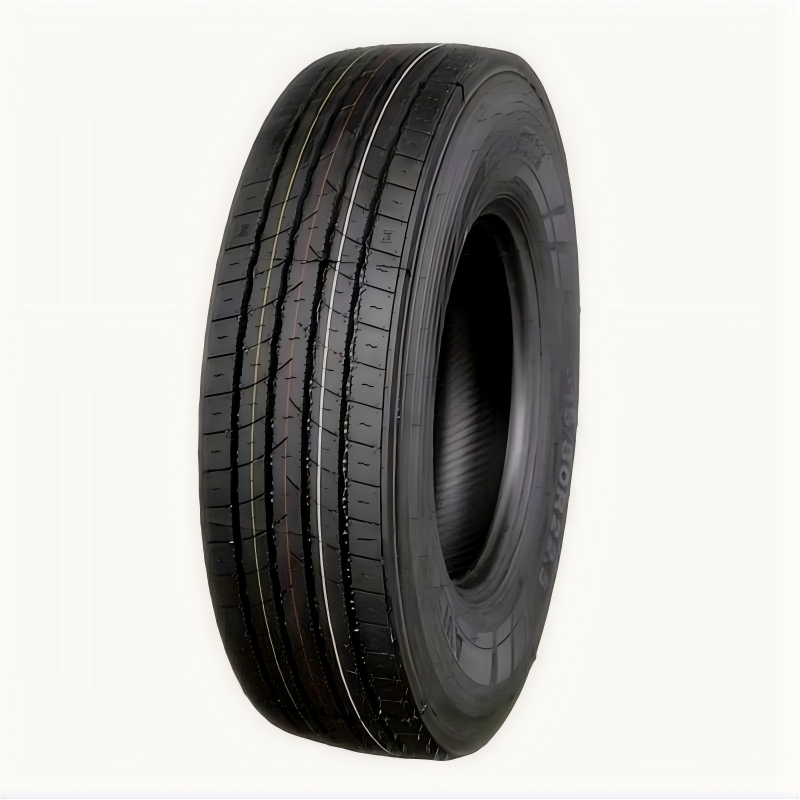
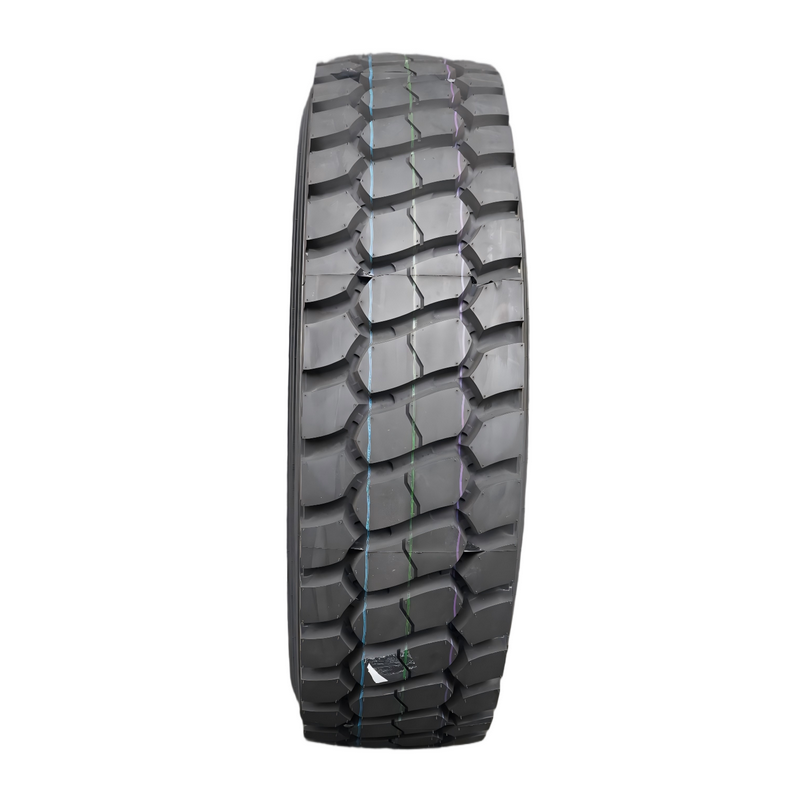
Alle in den USA verkauften Budget-Reifen müssen die bundesweiten Sicherheitsstandards erfüllen – eine zwingende Voraussetzung für den Marktzugang. Das US-Verkehrsministerium (DOT) und die National Highway Traffic Safety Administration (NHTSA) setzen FMVSS 109 (für Pkw-Reifen) und FMVSS 139 (für Leicht-Lkw-Reifen) durch, die die strukturelle Integrität, Dauerfestigkeit und Hochgeschwindigkeitsleistung streng prüfen. Rund 30 % neuer Reifenhersteller erreichen beim ersten Antrag die DOT-Zertifizierung (NHTSA-Daten, 2024). Die Nichteinhaltung dieser Standards hat gravierende Folgen: Rückrufbezogene Geldstrafen und Sanierungsmaßnahmen belaufen sich im Durchschnitt auf 740.000 USD pro Vorfall (Ponemon Institute, 2023).
Ebenso entscheidend ist die Einhaltung der 49 CFR Part 574, die dauerhafte Reifenidentifikationsnummern (TINs) vorschreibt, die direkt in die Flanken der Reifen eingeprägt werden müssen. Jede TIN muss die Registrierung des Herstellers oder Markeninhabers, den Fabrikstandortcode, die Reifengröße, die Produktionswoche/das Produktionsjahr sowie eine eindeutige Seriennummer kodieren – wodurch eine vollständige Rückverfolgbarkeit von der Rohstoffcharge bis zum Endverbraucher gewährleistet wird. Die automatisierte Lasergravur reduziert Etikettierungsfehler um 7 % gegenüber manuellen oder tintenbasierten Verfahren und unterstützt damit unmittelbar die Bereitschaft für Rückrufe sowie die Transparenz bei Audits.
Die OEM-Qualifizierung stellt Anforderungen, die weit über die grundlegenden gesetzlichen Vorgaben hinausgehen – und stellt für preisorientierte Reifenlieferanten eine erhebliche Hürde dar. Bei der ersten OE-Prototypbewertung werden nahezu 40 % aller Einreichungen abgelehnt (Automotive Quality Report, 2024). Die Erreichung der Launch-Bereitschaft folgt einem streng strukturierten, vierstufigen Tier-Qualifizierungsprozess:
Der Erfolg hängt von einer disziplinierten Umsetzung ab – nicht nur des PPAP, sondern auch der Einreichungen beim International Material Data System (IMDS) und einer statistischen Prozesskontrolle (SPC), die über eine 5-Sigma-Fähigkeit hinaus aufrechterhalten wird. Fabriken ohne robuste SPC verlieren in der Regel innerhalb von 18 Monaten ihre Erstausrüsterverträge (OE). Gleichzeitig sind Logistikprobleme am Kai – wie verzögerte Containerbeladung oder fehlende Dokumentation – für 60 % der Verzögerungen bei der Zulassung neuer Produkte verantwortlich. Lieferengpässe bei Serienlieferungen führen zu Vertragsstrafen in Höhe von durchschnittlich 48 Millionen US-Dollar pro Monat, was unterstreicht, dass Kapazitätsplanung und Resilienz der Lieferkette strategische Notwendigkeiten und keine operativen Nachgedanken sind.
Die Einhaltung der bundesstaatlichen Sicherheitsvorschriften beginnt – endet aber nicht – mit dem Bestehen der Laborprüfungen nach FMVSS 109 und 139. Bei Reifen im Budgetsegment reicht eine echte Leistungsvalidierung bis in dynamische, der Realität entsprechende Szenarien hinein. Das Bremsverhalten auf nasser Fahrbahn wird unter standardisierten simulierten Regenbedingungen bewertet, wobei die Konsistenz der Verzögerung bei Geschwindigkeiten bis zu 80 km/h gemessen wird, um den Widerstand gegen Aquaplaning zu verifizieren. Die Fahrstabilität wird mittels anspruchsvoller Tests evaluiert, darunter Ausweichmanöver zwischen zwei Fahrspuren, Slalomkurse mit hoher Geschwindigkeit sowie stationäres Kurvenfahren mit einer seitlichen Beschleunigung von 0,8 g – um Reaktionsvermögen, Wanksteifigkeit und Haftflächenstabilität zu bewerten.
Dauerhaftigkeitstests gehen über die bloße Laufleistungsakkumulation hinaus. Unabhängige Labore komprimieren Jahre des Einsatzes in beschleunigte Testzyklen: Dauerläufe mit 75 mph, wiederholte Simulationen von Schlaglöchern und Bordsteinkanten-Stößen, thermische Zyklen von −40 °C bis +85 °C sowie UV- und Ozonbelastung. Der Profilverschleiß wird in Intervallen von 5.000, 15.000 und 30.000 Meilen überwacht, um die voraussichtliche Lebensdauer abzuschätzen und gleichzeitig sicherzustellen, dass die strukturelle Integrität stets oberhalb der Mindestschwellenwerte gemäß FMVSS bleibt – selbst wenn kostengetriebene Materialkompromisse die Langzeitleistung beeinflussen.
Die Entwicklung von Budget-Reifen konzentriert sich auf intelligente Kompromisse – nicht auf Kostensenkung auf Kosten der Sicherheit. Ein zentraler Hebel ist die Formulierung der Gummimischung: Die Reduzierung des Anteils natürlichen Kautschuks (der häufig durch kostengünstigere synthetische Polymere ersetzt wird) senkt die Materialkosten, verkürzt jedoch typischerweise die Lauflebensdauer um 15–20 %. Der Siliciumdioxid-Gehalt stellt den entscheidenden Ausgleichsfaktor dar. Ein höherer Siliciumdioxid-Anteil verbessert die Nasshaftung und den Rollwiderstand – was die Kraftstoffeffizienz steigert – macht die Mischung bei niedrigen Temperaturen jedoch steifer und verschlechtert dadurch die Traktion auf Schnee und Eis. Ein niedrigerer Siliciumdioxid-Anteil erhöht die Flexibilität bei Kälte, beschleunigt jedoch den Verschleiß.
Um diese Kompromisse auszugleichen, integrieren führende Hersteller gezielte Antioxidantien-Systeme, optimierte Hybrid-Füllstoffe aus Ruß und Silica sowie steifere Flankenarchitekturen, die die Handlingsreaktion bewahren, ohne Gewicht oder Kosten zu erhöhen. Diese Verbesserungen ermöglichen es preisgünstigen Reifen, alle saisonalen gesetzlichen Anforderungen – einschließlich der UTQG-Haftungsklassifizierung – zu erfüllen, ohne ihre Erschwinglichkeit einzubüßen. Die Spitzenleistung im Winter bleibt jedoch eingeschränkt: Die meisten kostengünstig optimierten Mischungen bieten zuverlässige Schneehaftung nur unterhalb von 65 km/h (≈40 mph), eine praktische Einschränkung, die in den Originalausrüster-Richtlinien für Winterreifen und in Verbraucherhinweisen ausdrücklich anerkannt wird.
Für Hersteller preisgünstiger Reifen muss die Qualitätskontrolle sowohl streng als auch schlank sein – so konzipiert, dass sie die Erwartungen von OEMs und gesetzlichen Vorgaben erfüllt, ohne unverhältnismäßige Overhead-Kosten zu verursachen. Effektive Systeme konzentrieren sich auf kritische Kontrollpunkte verifizierung der Rohstoffcharge, Protokollierung von Vulkanisationstemperatur und -zeit, abschließende Kontrollen der Abmessungen und Kraftschwankungen sowie automatisierte Abtastung der Profiltiefe/Leerraumverhältnisse. Die Chargenverfolgung verknüpft jeden fertigen Reifen mit seiner ursprünglichen Gummimischungscharge und ermöglicht so eine präzise Eindämmung bei Nichtkonformitäten.
Digitale Rückverfolgbarkeit – mittels Barcode oder RFID – ist heute Standard. Sie erfasst Echtzeitdaten entlang der Produktionslinie: Parameter der Vulkanisationspresse, Laborergebnisse (z. B. Gleichmäßigkeit, Auswuchtung) sowie Prüfergebnisse (Bestanden/Nicht bestanden) – wodurch manuelle Eingabefehler eliminiert und die Ursachenanalyse beschleunigt wird. Entscheidend ist, dass diese Infrastruktur die Anforderungen der 49 CFR Part 574 TIN erfüllt. und speist kontinuierliche Verbesserungsprozesse: Aggregierte Fehlermuster leiten Anpassungen der Gummimischung, Neugestaltung von Formen oder Prozessoptimierungen ein. Indem Rückverfolgbarkeit auf hochwirksame Variablen – nicht auf jeden einzelnen Datensatz – ausgerichtet wird, wahren Hersteller von Budgetreifen Qualitätsdisziplin über umfangreiche SKU-Portfolios hinweg und bewahren gleichzeitig ihre Gewinnmargen.
F: Welche Zertifizierungen sind für preisgünstige Reifen erforderlich, die in den USA verkauft werden?
A: Preisgünstige Reifen müssen den Vorschriften der DOT/NHTSA entsprechen, darunter FMVSS 109 für Pkw-Reifen und FMVSS 139 für Leicht-Lkw-Reifen. Die Einhaltung von 49 CFR Teil 574 bezüglich der Reifen-Identifikationsnummern (TINs) ist ebenfalls zwingend vorgeschrieben.
F: Warum ist die OEM-Zulassung für Anbieter preisgünstiger Reifen besonders anspruchsvoll?
A: Die OEM-Zulassung umfasst strenge Anforderungen wie Design-Validierung, Probentests, Vorserienversuche und Lieferungen in Serienstückzahlen. Komplexe Verfahren wie IMDS-Meldungen und statistische Prozesskontrolle (SPC) sind ebenfalls entscheidend.
F: Wie werden preisgünstige Reifen hinsichtlich Sicherheit und Leistung bewertet?
A: Preisgünstige Reifen unterziehen sich umfangreichen Nassbrems-Tests, Bewertungen der Fahrdynamik-Stabilität sowie realitätsnahen Dauerlauf-Prüfungen. Zusätzliche Labor- und externe Validierungen umfassen Bereiche wie Laufflächenverschleiß, thermisches Zyklusverhalten und Bordstein-Aufprall-Simulationen.
F: Welche Kompromisse sind bei einer kostenorientierten Reifenentwicklung zu berücksichtigen?
A: Bei der Entwicklung von Budget-Reifen wird ein ausgewogenes Verhältnis zwischen Natur- und Synthesekautschuk sowie Siliciumdioxid-Anteil und anderen Faktoren angestrebt. Ein höherer Siliciumdioxid-Gehalt verbessert die Nasshaftung, beeinträchtigt jedoch die Traktion bei winterlichen Bedingungen; optimierte Materialien zielen darauf ab, zuverlässige Allwettereigenschaften zu gewährleisten.
F: Wie stellen Hersteller von Budget-Reifen die Qualitätssicherung sicher?
A: Sie nutzen digitale Rückverfolgbarkeit mittels Barcodes oder RFID zur Überwachung der Produktion, Chargenverfolgung und automatisierter Prüfsysteme, um Schwachstellen zu identifizieren und die Prozesse kontinuierlich zu verbessern.
 Aktuelle Nachrichten
2025-10-18
2025-10-17
2025-10-15
2025-10-14
2025-10-10
2025-09-22

Qingdao Surpass Rubber Technology Co., Ltd bietet fortschrittliche Reifenproduktion für globale Märkte. Unser forschungs- und entwicklungsgestützter Ansatz liefert langlebige, energieeffiziente Reifen mit hervorragendem Grip. Jährliche Produktionskapazität über 1 Mio., in über 50 Ländern vertreten.
T1 (QRCB Mansion), Nr. 6, Qinling Road, Qingdao, China
Urheberrecht © 2025 durch Qingdao Surpass Rubber Technology Co., Ltd Datenschutzrichtlinie
 EN
EN