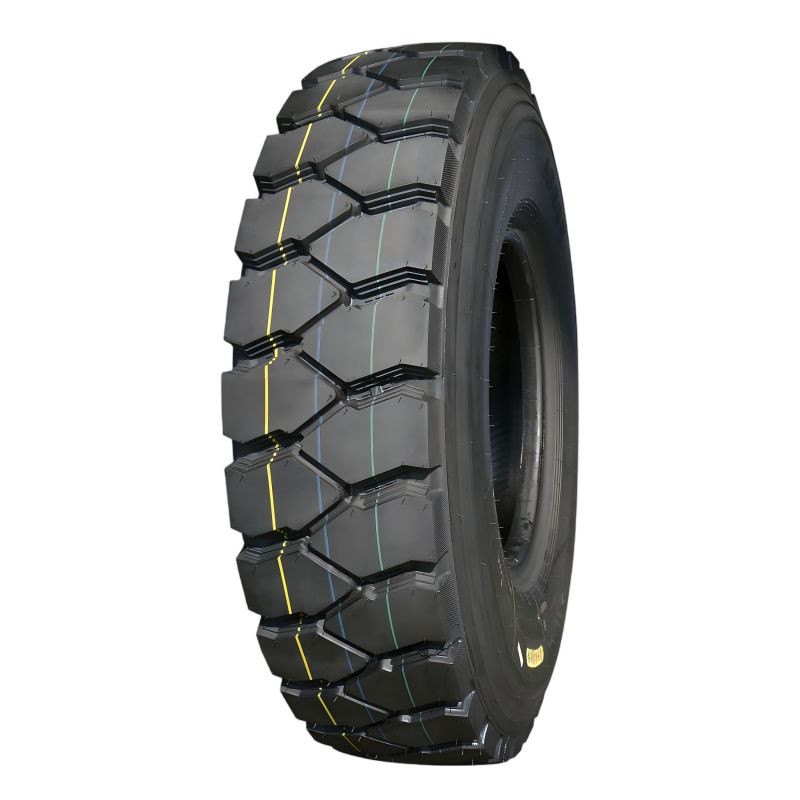
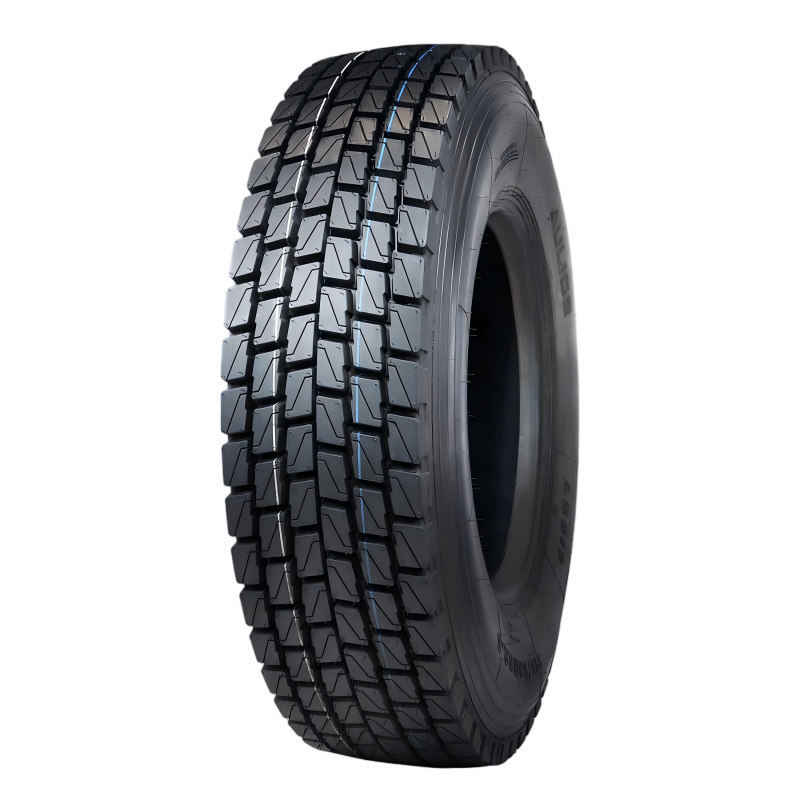
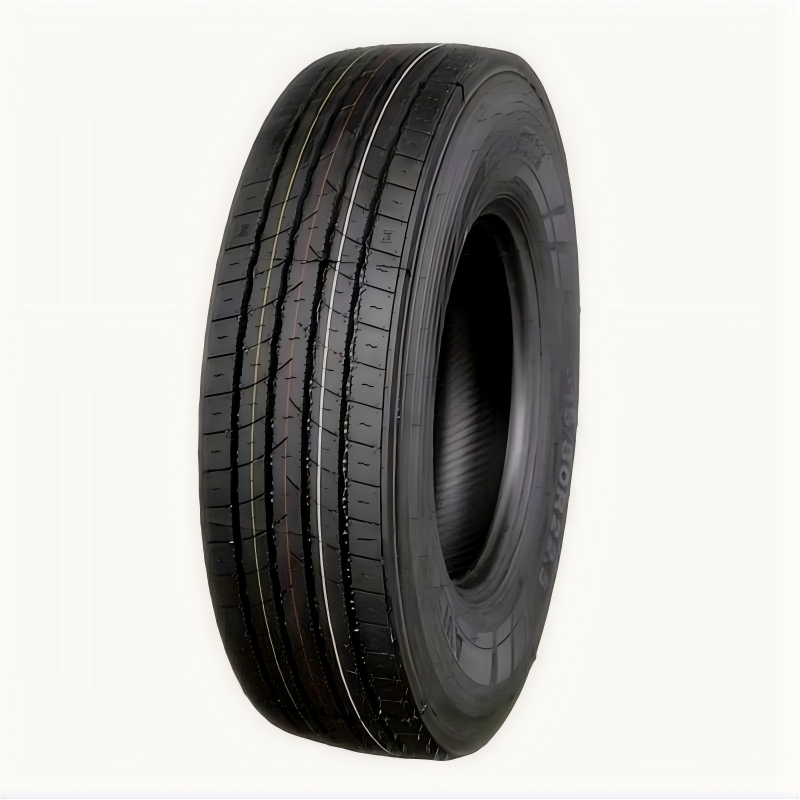
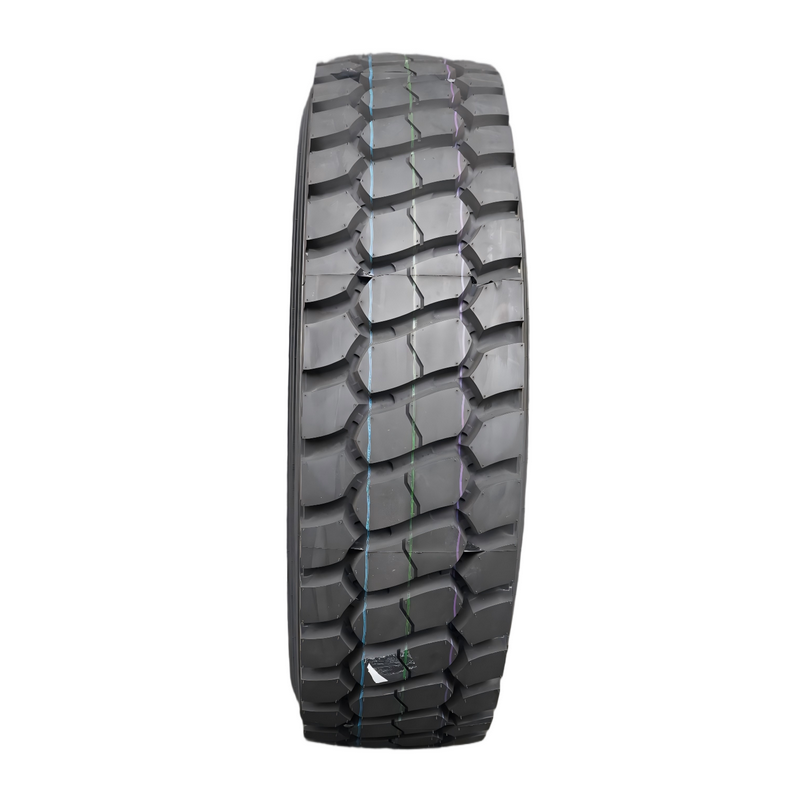
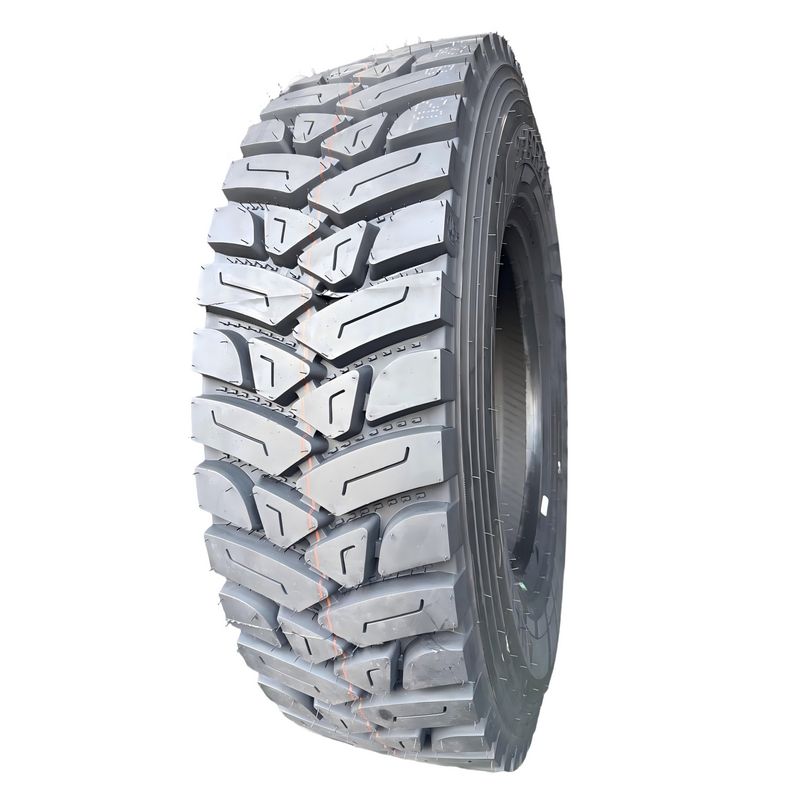
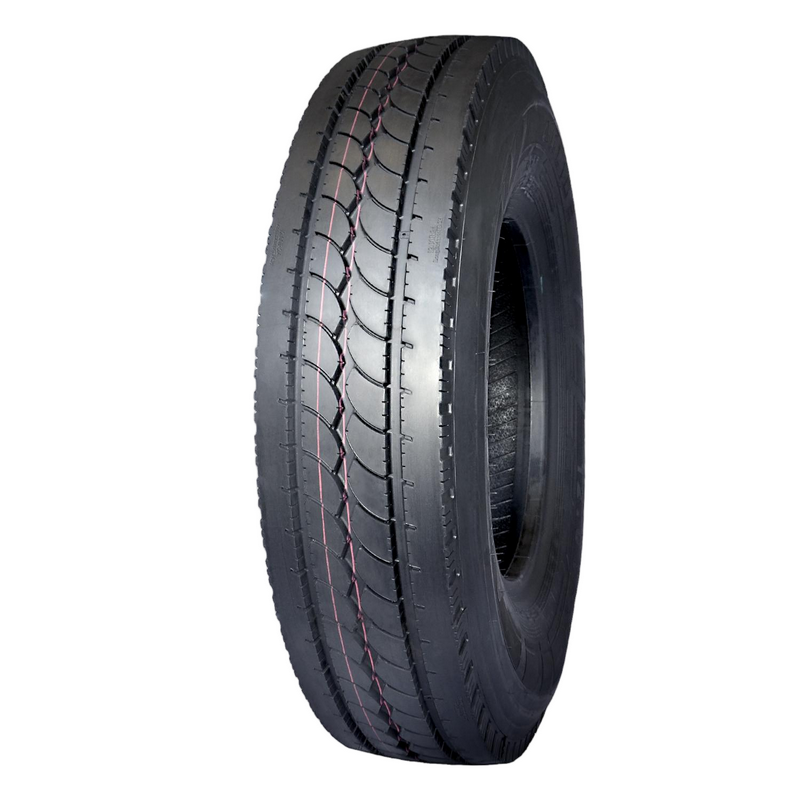
Paparan terus-menerus terhadap batu-batu lepas dan medan berbatu tajam dengan cepat menurunkan kualitas dinding samping ban yang tidak dilindungi. Penguatan dinding samping berlapis ganda secara langsung mengatasi kerentanan ini: bahan tekstil berkekuatan tinggi—seperti aramid atau campuran poliester-nilon hibrida—yang terikat dengan lembaran karet fleksibel membentuk penghalang dinamis yang mampu menyerap energi. Berbeda dengan desain lapis tunggal usang, arsitektur berlapis ini memungkinkan deformasi lokal di sekitar benda tajam alih-alih robekan parah. Setiap lapisan dirancang khusus untuk fungsi mekanis tertentu—beberapa dioptimalkan untuk mengalihkan benturan, sementara yang lain untuk pemulihan pantulan—menciptakan pertahanan sinergis terhadap abrasi, tersangkut, dan penetrasi. Analisis lapangan dari operasi pertambangan dan kehutanan menegaskan bahwa ban yang dibuat dengan dinding samping diperkuat semacam ini mengalami 67% lebih sedikit insiden penetrasi setelah siklus operasional yang setara. Perlindungan multi-atribut ini sangat penting di lokasi di mana manuver turun ke tepian batu atau melintasi kayu tumbang merupakan hal biasa—dan di mana ban bias konvensional secara konsisten gagal menahan beban serupa.
Kinerja di dunia nyata—bukan simulasi laboratorium—mengungkap ketahanan sebenarnya dari ban penggerak. Survei Ketahanan Off-Road AS 2023 memantau lebih dari 1.200 ban ATV di jalur berbatu dengan keanekaragaman geologis, termasuk taman batu kalsit dan punggungan kuarsit yang dikenal sangat abrasif dan tajam. Ban non-penguat standar rata-rata mengalami pecah atau deformasi badan ban pada jarak 600 mil; sementara ban penggerak berteknologi penguat rutin melampaui jarak 1.000 mil dengan keausan tapak yang terprediksi dan merata. Yang paling penting, kegagalan khusus dinding samping turun sebesar 42% di medan yang identik. Hasil ini membuktikan bahwa penguatan berlapis tidak hanya menunda kegagalan—melainkan secara mendasar mendefinisikan ulang keandalan struktural dalam lingkungan off-road berdampak tinggi.
Insinyur ban mengatasi kompromi antara cengkeraman versus keausan dengan menggunakan sistem pengisi hibrida silika–karbon hitam. Silika meningkatkan traksi basah dan mengurangi hambatan gelinding; karbon hitam memberikan kekuatan tarik dan ketahanan terhadap sayatan. Campuran seimbang—biasanya 50–70 phr silika dan 20–40 phr karbon hitam, dikombinasikan dengan agen pengikat silana—memastikan ikatan kuat antar partikel dan karet. Sinergi ini meminimalkan keretakan tapak dan penumpukan panas dalam kondisi penggerak torsi tinggi, sekaligus mempertahankan adhesi permukaan pada kerikil longgar, tanah liat lembap, serta kemiringan curam dan tidak rata. Pengujian lapangan menunjukkan bahwa komposit hibrida semacam ini dapat memperpanjang masa pakai tapak hingga 25% dibandingkan senyawa karbon hitam murni—tanpa mengorbankan konsistensi traksi di permukaan kering, basah, maupun campuran.
Kekerasan Shore A mengatur cara ban penggerak merespons medan yang bervariasi. Di bawah 55, karet menjadi terlalu lentur—kelenturan berlebih mempercepat keausan alur ban di jalur berbatu dan meningkatkan risiko kolaps pada bahu ban. Di atas 65, karet menjadi terlalu kaku, mengurangi kemampuan menyesuaikan diri terhadap permukaan tidak rata serta menurunkan cengkeraman pada tanah gembur atau berlubang. Kisaran 55–65 memberikan kompromi optimal: cukup kaku untuk menahan sayatan dan abrasi dari tepi tajam, namun cukup lentur untuk sedikit berdeformasi di bawah beban guna memaksimalkan area kontak ban dengan permukaan jalan. Keseimbangan ini juga meningkatkan stabilitas selama akselerasi berat dan belokan berkecepatan tinggi. Bagi operator yang berpindah-pindah antara medan tanah, kerikil, dan batu dalam satu siklus kerja, jendela kekerasan sempit ini memastikan setiap sentimeter persegi alur ban memberikan daya cengkeram yang efektif—tanpa keausan dini atau pengendalian yang terganggu.
Karet yang diperkuat saja tidak cukup—geometri alur tapak dan bahu ban sama-sama krusial untuk traksi di permukaan tidak rata. Desain bahu yang direkayasa secara khusus menebalkan dan memperkaku zona transisi antara tapak dan dinding samping, menciptakan tepi yang kaku dan tajam guna mengaitkan permukaan batu dan dinding alur tanpa melipat atau tergeser. Berdasarkan pengujian laboratorium ISO 10191-3, arsitektur yang disempurnakan ini memberikan daya gigit tepi 31% lebih tinggi dibandingkan bahu konvensional. Peningkatan ini berasal dari distribusi tekanan yang lebih luas dan seragam di sepanjang bidang bahu—meningkatkan interlock mekanis sekaligus menahan sobekan akibat benturan tajam. Dikombinasikan dengan senyawa karet berkekerasan tinggi, desain ini mempertahankan fleksibilitas lokal guna menyesuaikan diri dengan permukaan tanah tanpa mengorbankan integritas struktural. Hasilnya: lebih sedikit kehilangan traksi saat menanjak di medan berbatu, kepercayaan diri lebih baik dalam mengikuti alur, serta pengurangan signifikan pada kerusakan bahu (chunking)—penyebab paling umum kehilangan tapak prematur pada ban penggerak standar.
P: Apa peran utama penguatan dinding samping berlapis banyak pada ban penggerak?
J: Penguatan dinding samping berlapis banyak membantu menyerap benturan dan mencegah tusukan. Penguatan ini menggunakan tekstil berkekuatan tinggi yang diikat dengan karet fleksibel, sehingga menciptakan penghalang dinamis terhadap abrasi, tersangkut, dan penetrasi, memastikan ketahanan ban di medan kasar.
P: Bagaimana pengisi hibrida silika–karbon hitam meningkatkan kinerja ban?
J: Pengisi hibrida silika–karbon hitam mengoptimalkan ketahanan terhadap abrasi tanpa mengorbankan traksi. Silika meningkatkan traksi basah, sedangkan karbon hitam meningkatkan kekuatan tarik dan ketahanan terhadap luka iris, sehingga menghasilkan masa pakai tapak yang lebih panjang serta traksi konsisten di berbagai permukaan.
P: Mengapa kisaran kekerasan 55–65 Shore A ideal untuk kinerja ban?
J: Kisaran kekerasan 55–65 Shore A menyeimbangkan kekakuan dan fleksibilitas. Kisaran ini tahan terhadap luka iris dan abrasi sekaligus memungkinkan deformasi di bawah beban guna memaksimalkan luas kontak tapak, sehingga menghasilkan ketahanan lebih baik dan cengkeraman konsisten di medan campuran.
P: Apa manfaat dari desain bahu yang direkayasa untuk ban penggerak?
J: Desain bahu yang direkayasa memberikan daya cengkeram tepi yang lebih besar, traksi yang lebih baik di permukaan tidak rata, serta mengurangi kerusakan chunking pada bahu ban. Desain ini meningkatkan distribusi tekanan dan tahan terhadap sobekan, sehingga memastikan stabilitas dan umur pakai yang lebih baik dalam kondisi off-road.
 Berita Terpanas
2025-10-18
2025-10-17
2025-10-15
2025-10-14
2025-10-10
2025-09-22
Qingdao Surpass Rubber Technology Co., Ltd menyediakan manufaktur ban canggih untuk pasar global. Pendekatan berbasis R&D kami menghasilkan ban yang tahan lama, hemat energi, dan memiliki daya cengkeram unggul. Kapasitas produksi lebih dari 1 juta unit per tahun, melayani lebih dari 50 negara.
T1 (QRCB Mansion), NO.6, Jalan Qinling, Qingdao, Tiongkok
Hak Cipta © 2025 oleh Qingdao Surpass Rubber Technology Co., Ltd Kebijakan Privasi
 EN
EN