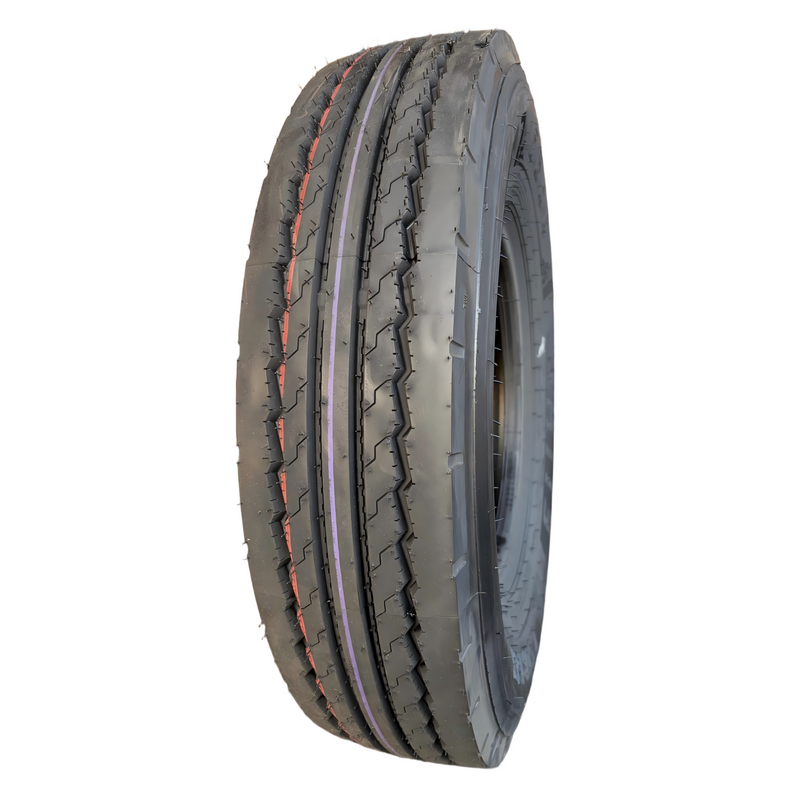
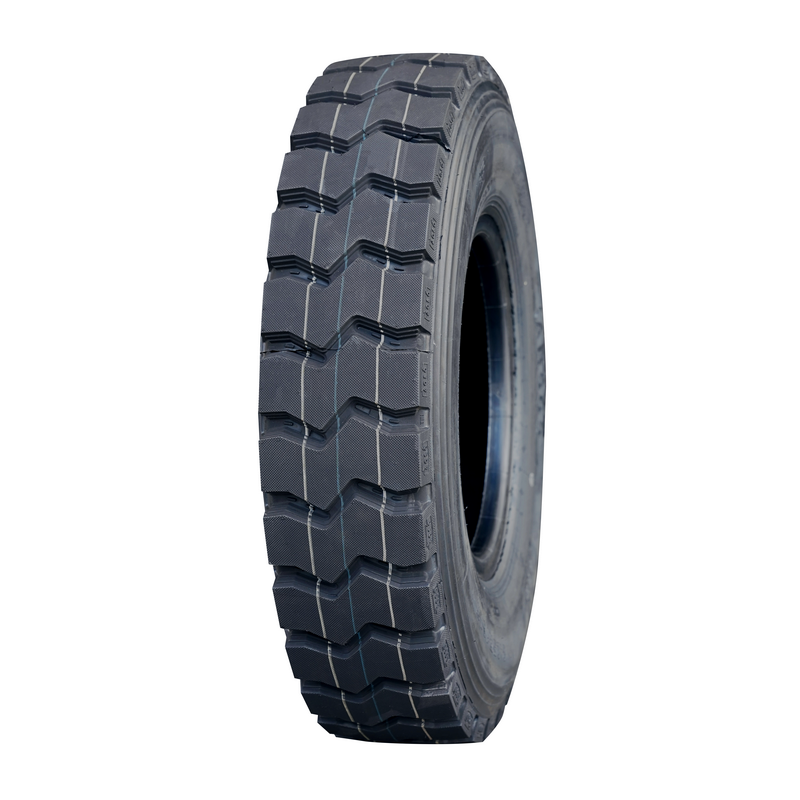
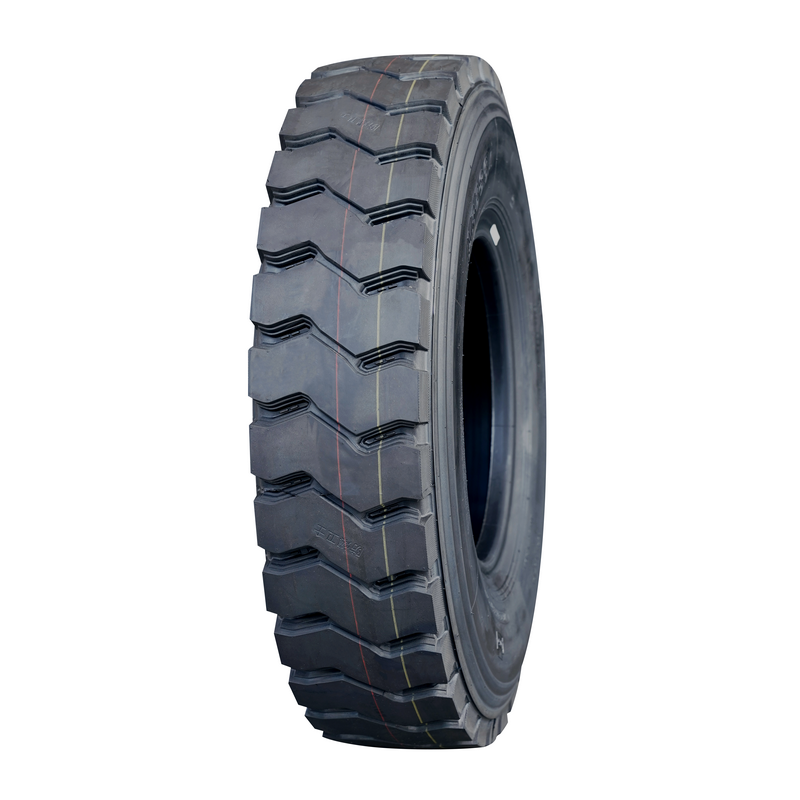
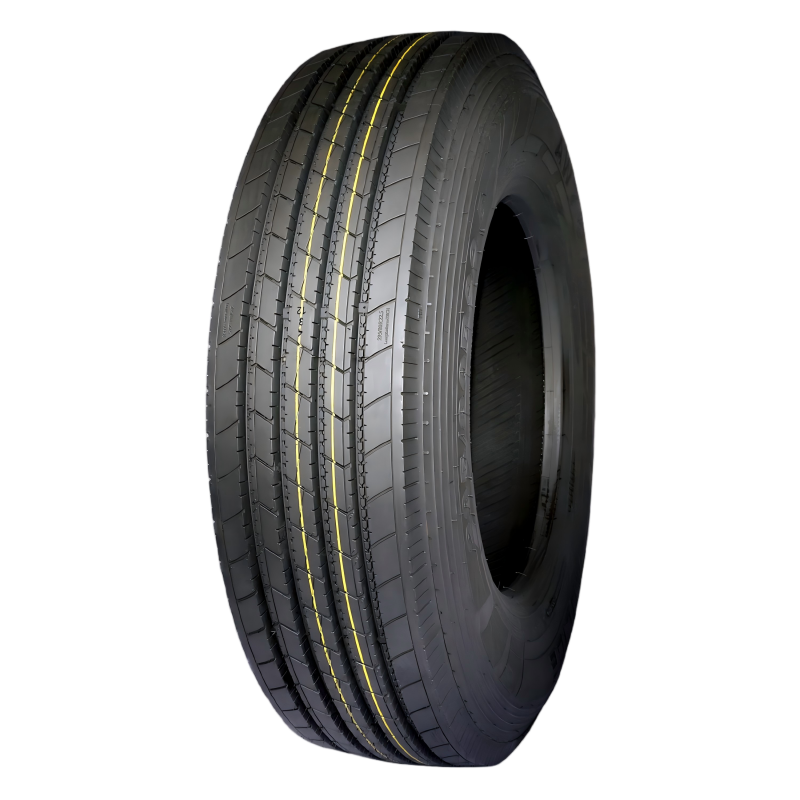
Moje izkušnje iz prakse z odpovedmi radialnih pnevmatik in nadzorom stroškov flote
Pred nekaj leti sem upravljal srednje veliko komercialno logistično floto, ki je opravljala dolgotrajne vožnje po različnih cestnih razmerah. Naš največji problem so bili pogosti težavi s pnevmatikami: hitro neenakomerno obraba, razpoke na stranskih stenah pod težkimi obremenitvami, pregrevanje med dolgimi vožnjami ter nenadne eksplozije, ki so povzročile zamude, popravila ob cesti in naraščajoče stroške vzdrževanja. Preizkusili smo več vrst pnevmatik, a smo vedno ponovno srečevali iste težave. Po posvetovanju s specialisti za inženirstvo komercialnih vozil smo prešli na radialne pnevmatike za težka obremenitev, zasnovane za izjemno trdnost in stabilnost ob obremenitvi. Rezultati so bili izjemni. Cikli zamenjave pnevmatik so se znatno podaljšali, tveganje za pregrevanje in eksplozije se je ostro zmanjšalo, neenakomerna obraba je skoraj izginila, skupni obratovalni stroški pa so se znatno znižali. Te izkušnje iz vsakdanje prakse so mi pokazale, kako bistveno pomembna je ustrezna rešitev z radialnimi pnevmatikami za težka obremenitev, če želimo ohraniti komercialno floto zanesljivo in stroškovno učinkovito.
Strokovna analiza: Zakaj radialna konstrukcija pnevmatik zagotavlja nadpovprečno trdnost za komercialne voznike
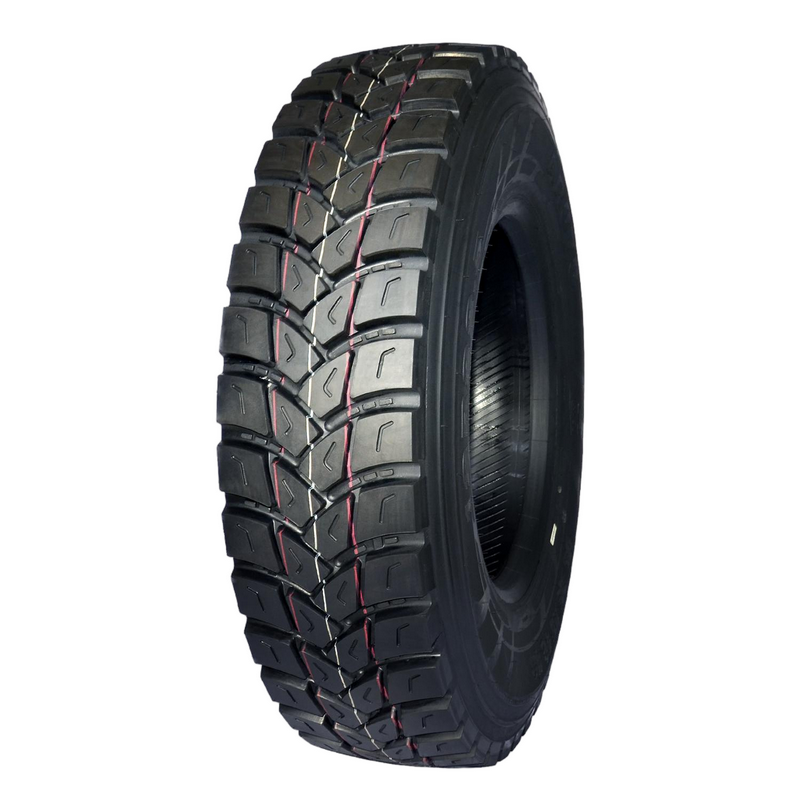
Strokovnjaki za inženirstvo pnevmatik in upravljanje vozilnih parkov široko potrjujejo, da je radialna konstrukcija pnevmatik za težke komercialne namene veliko bolj primerna kot starejše konstrukcije z diagonalnimi plasti. Pri radialni pnevmatiki se vlakna ohišja raztezajo radialno, pravokotno na površino teka, medtem ko trdne pasovne plasti okrepijo vrh za večjo stabilnost in trdnost. Ta konstrukcija ustvari večji in enakomernejši stični površin, zmanjša valjno odpornost ter zmanjša segrevanje med dolgotrajnim vožnjo s hitrostmi. Trda površina teka zdrži reze, luščenje in neenakomerno obrabo, medtem ko mehka stranska stena absorbira udarce in ščiti pred poškodbami, ki jih povzročajo obrobni kamni, luknje na cesti in nerodna terena. Raziskave institutov iz prometne industrije kažejo, da lahko visokokakovostna radialna pnevmatika za težke naloge znatno podaljša življenjsko dobo in zmanjša porabo goriva v primerjavi s konvencionalnimi pnevmatikami. Za vozilne parke, ki delujejo vsakodnevno pod težkimi obremenitvami, radialna konstrukcija pnevmatik neposredno izboljša vzdržljivost, varnost in donosnost.
Ključne zmogljivostne značilnosti trpežnega težkega radialnega pnevmatika za komercialne voznike
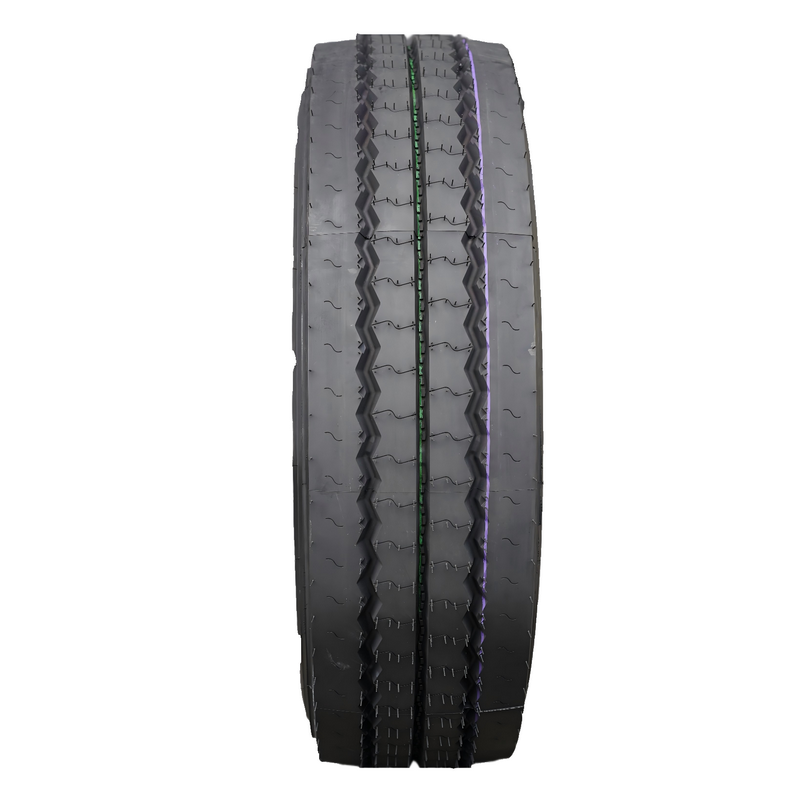
Pravi trpežni težki radialni pnevmatik za komercialne voznike mora združevati močno konstrukcijo, odpornost proti toploti, življenjsko dobo in nosilnost. Začne se z okrepljeno karoserijo in jeklenimi pasovi visoke natezne trdnosti, ki omogočajo prenašanje težkih obremenitev brez prekomernega deformiranja. Protektor uporablja gumo, optimizirano za obrabo in odporno proti toploti, ki ohranja zmogljivost na dolgih razdaljah in preprečuje toplotni razpad. Vzorec protektorja je izdelan tako, da zagotavlja enakomerno obrabo, dobro oprijemljivost ter odpornost proti vdiranju kamnov in rezanju. Območje obroča je trdno in stabilno, da ostane pnevmatika trdno pritrjena na obroču tudi pri velikih navorih in premiki obremenitve. Stranske stene so prožne, a hkrati trdne, da zdržijo udarce in razpoke. Vsak del radialnega pnevmatika je uravnotežen, da podpira dosledno zmogljivost, podaljšano prevoženo razdaljo in manj okvar. Te značilnosti naredijo radialni pnevmatik standardno izbiro za voznike, ki dajejo prednost maksimalni razpoložljivosti in trpežnosti.
Prilagojena rešitev radialnih pnevmatik za različne komercialne flotne scenarije
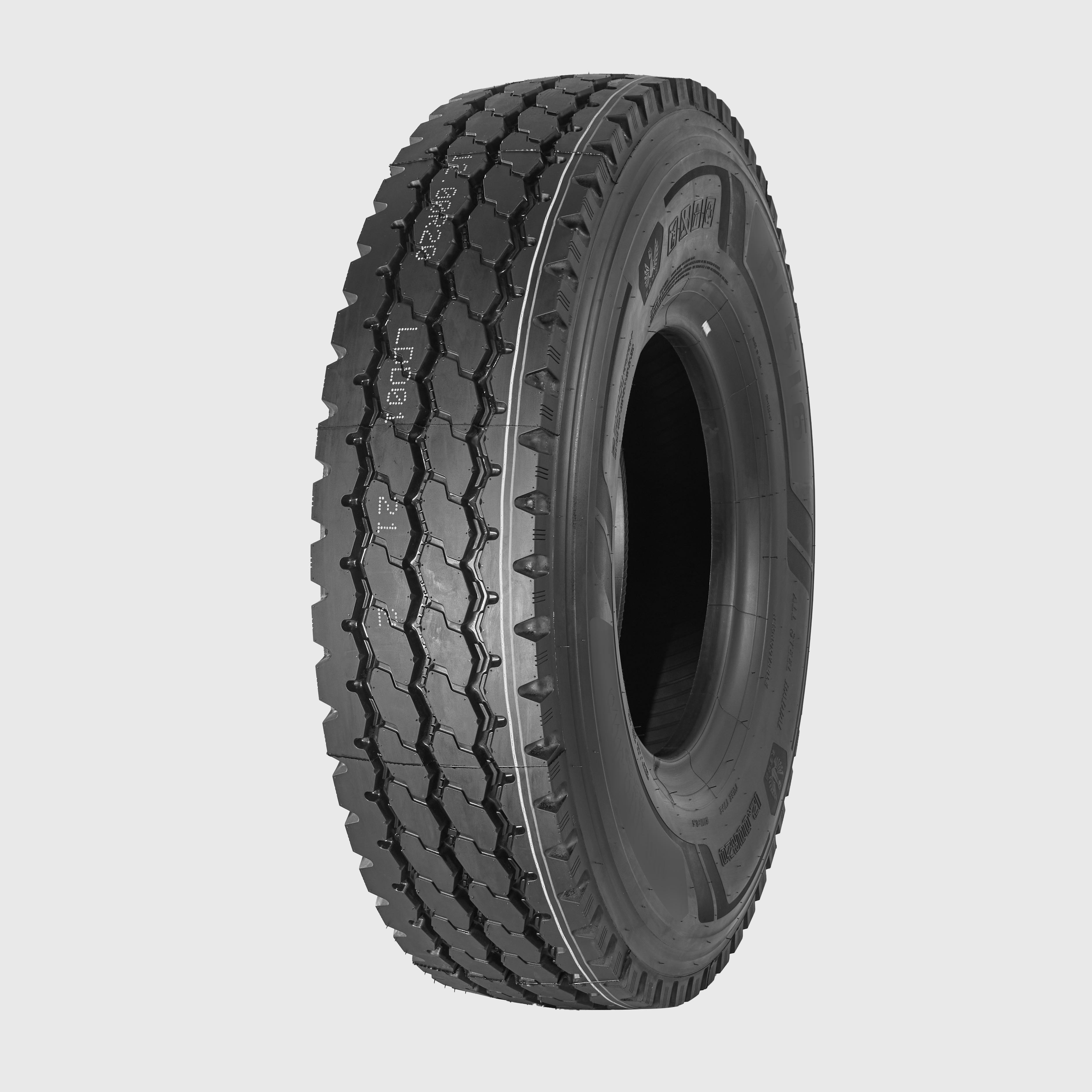
Različne uporabe flot zahtevajo prilagojene rešitve z radialnimi gumami, da se maksimalno izboljša trajnost. Daljinski prevozi na cestah koristijo radialnim gumam z nizkim uporom pri kotaljenju in stabilnim, visokokilometrskim profilom sornega površja, ki podpirajo učinkovitost porabe goriva in dolgo življenjsko dobo. Regionalni dostavni tovornjaki, ki se pogosto začnejo in ustavijo, potrebujejo radialne gume z močno oprijemljivostjo, odpornostjo proti rezinam in trdnimi stranskimi stenami, da lahko obravnavajo mestne ceste in obrobne pločnike. Flote za gradbene in rudarske namene zahtevajo izjemno trdne radialne gume z okrepljeno ohišjem, funkcijo izmetovanja kamnov ter izjemno odpornost proti rezinam, prodorom in težkim obremenitvam. Hladilne in kontejnerske flote potrebujejo radialne gume, ki ohranjajo dosledno delovanje pri stalnih težkih obremenitvah in so odporne proti neenakomernemu obrabi. S prilagoditvijo ustrezne radialne gume posameznim operacijam – glede na njihove poti, obremenitve in razmere na cestah – lahko flote znatno izboljšajo trajnost, zmanjšajo čas nedelovanja in znižajo stroške na kilometer.
Praktični nasveti za vzdrževanje, da se podaljša življenjska doba radialnih pnevmatik v komercialnih voznih parkih
Celó najboljši težki radialni pnevmatiki potrebujejo ustrezno nego, da dosežejo svoj polni potencial trajnosti. Ohranjajte vedno pravilni tlak napihovanja, saj podnapihovanje povzroča prekomerno upogibanje, nabiranje toplote in hitro obrabo, medtem ko nadnapihovanje vodi do trde vožnje in pospešene obrabe sredinskega dela profila. Redno pregledujte pnevmatike za reze, razpoke, izbokline, zazidane kamne in neenakomerno obrabo ter težave čim prej odpravite, da se izognete odpovedi. Pnevmatike redno menjajte, da spodbudite enakomerno obrabo po celotni floti. Zagotovite, da so kolesa pravilno poravnana, uravnotežena in da je obešanje v dobrem stanju, da preprečite nepravilno obrabo profila. Izogibajte se preobremenitvi in agresivnim voznim navadam, kot so nenadna pospeševanja, močno zaviranje in hitro voziti v ovinkih, saj to obremenjuje radialne pnevmatike in skrajša njihovo življenjsko dobo. Usposabljajte voznike, naj vsakodnevno pregledujejo pnevmatike in takoj prijavljajo kakršnekoli nepravilnosti. Z dosledno vzdrževalno dejavnostjo in odgovorno obratovanjem bo visokokakovostna radialna pnevmatika zagotavljala zanesljivo in dolgotrajno delovanje ter tako podpirala bolj trajnostno in donosno komercialno floto.
 Tople novice
 EN
EN