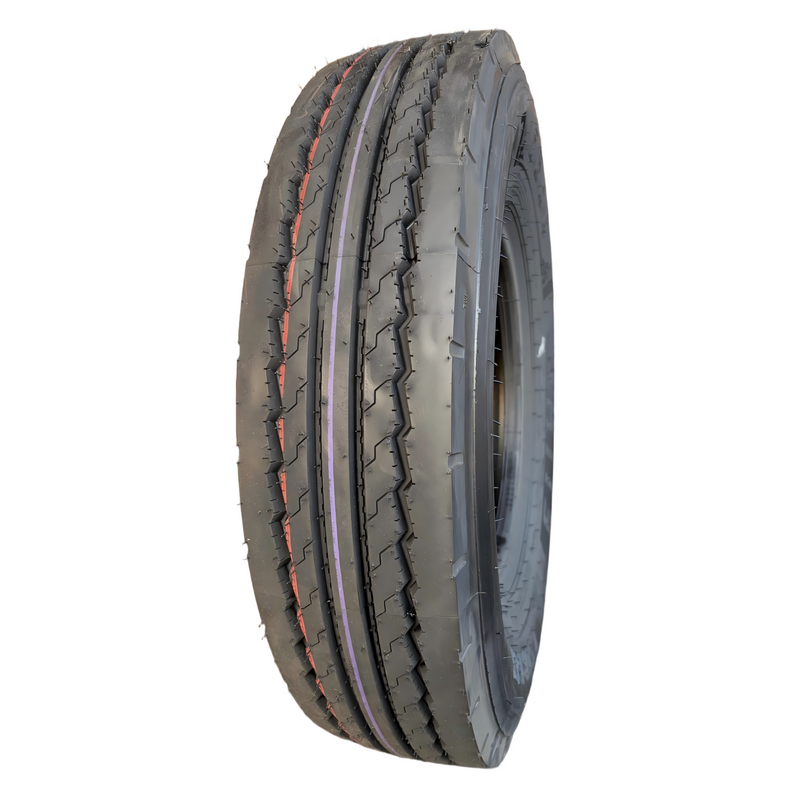
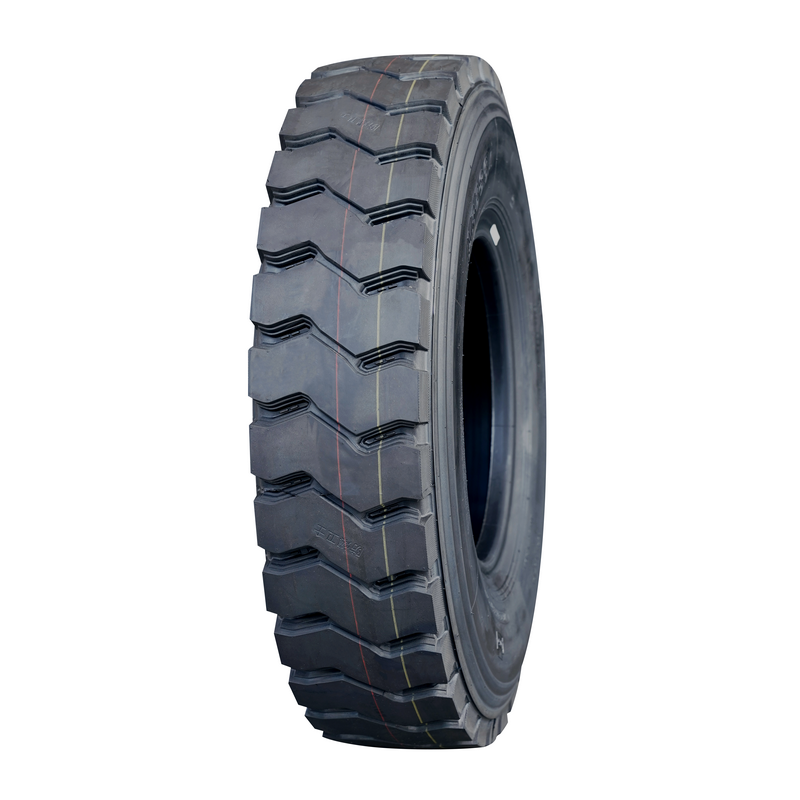
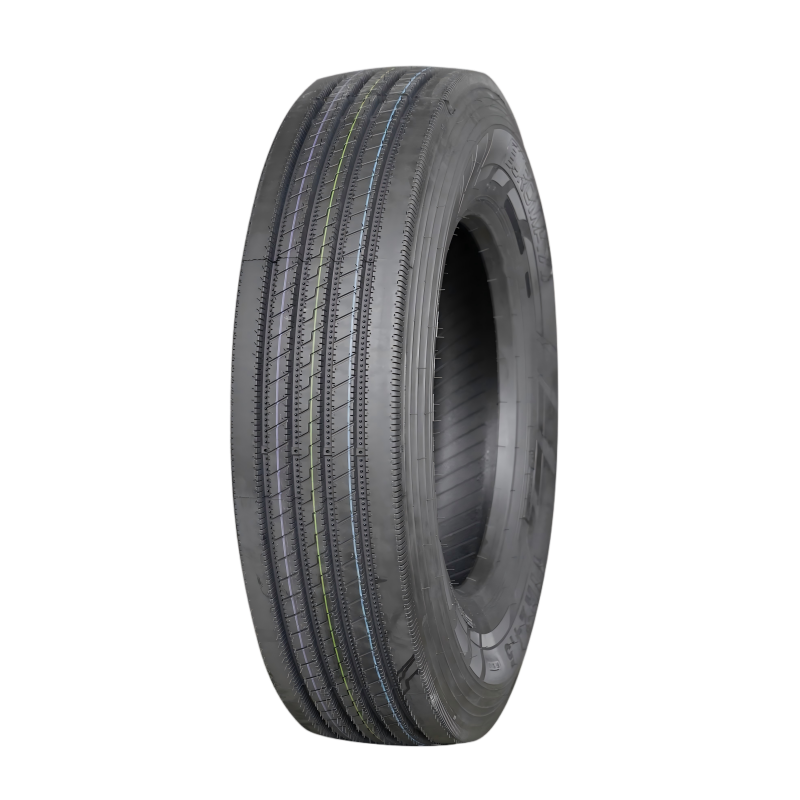
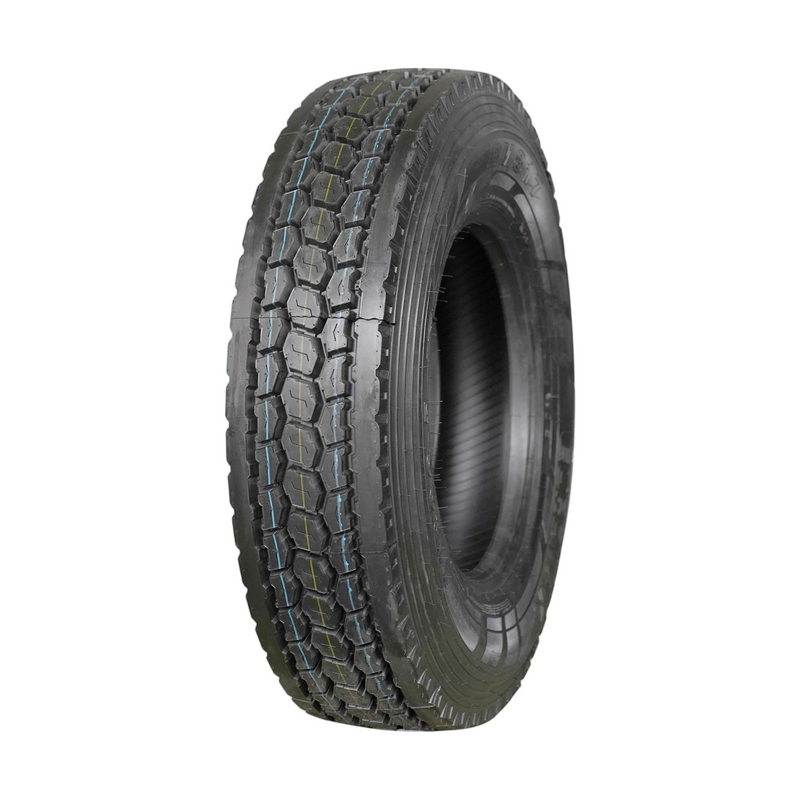
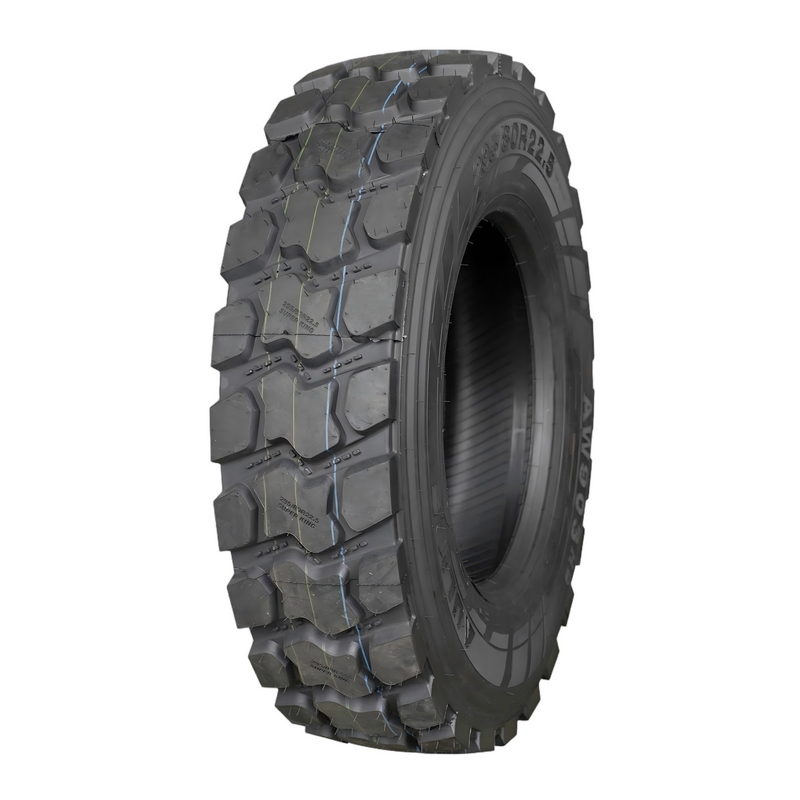
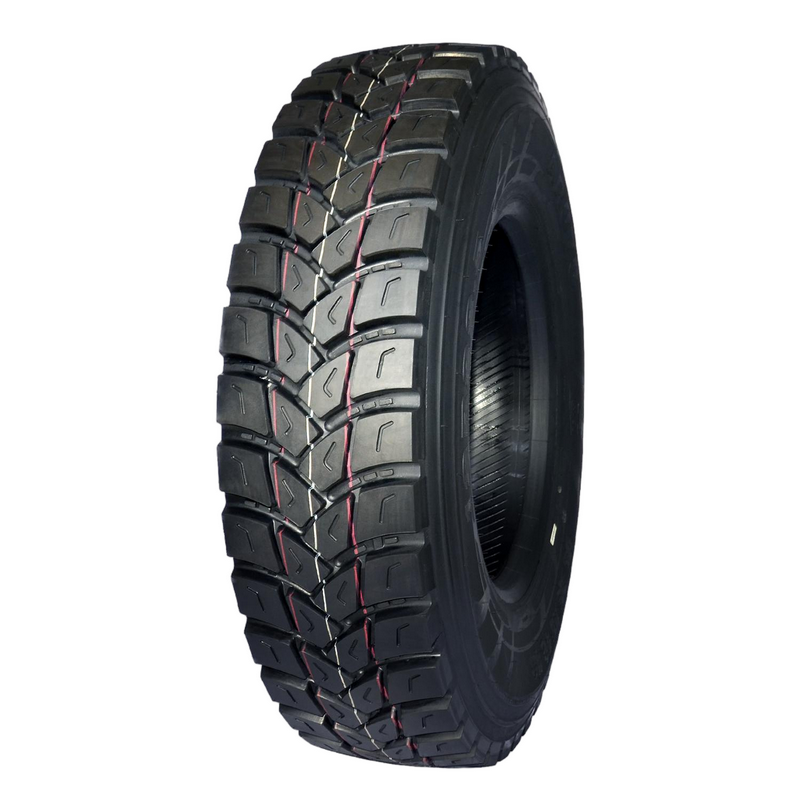
For logistics fleets, selecting the correct load range and ply rating is a direct safety decision. The load range—denoted by letters E, F, or G—specifies a tire’s maximum load-carrying capacity at a defined inflation pressure. Though historically tied to cotton plies, modern ply rating reflects equivalent structural strength: Load Range E equals 10-ply, supporting up to 3,420 lbs per tire at 90 psi; Load Range F (12-ply) and G (14-ply) support progressively heavier loads—up to 4,400 lbs for G-rated single tires. This standardized rating ensures the casing resists deformation under sustained freight loads. Critically, choosing a load range below the trailer’s gross axle weight rating (GAWR) invites excessive sidewall flex, heat buildup, and blowout risk. Fleet managers must base selection on maximum loaded weight per axle, not unloaded or nominal ratings.
Higher ply ratings enhance puncture resistance and blowout prevention—key advantages for heavy, long-haul operations—but reduce ride comfort and increase rolling resistance. Stiffer sidewalls in G-rated tires transmit more road vibration to the chassis than E-rated counterparts, contributing to driver fatigue over extended hauls. Thicker casings also raise rolling resistance, potentially lowering fuel economy by 1–3% compared to lighter-rated tires. Still, for high-load applications, durability consistently outweighs comfort tradeoffs: preventing a single blowout avoids roadside delays, cargo loss, and safety incidents. Regional short-haul fleets may prioritize fuel efficiency and maneuverability with E- or F-rated tires, while long-haul heavy-load operations demand the structural assurance of G-rated tires. Always consult the manufacturer’s inflation tables to calibrate pressure for both safety and operational efficiency.
Trailer tire performance hinges on three interdependent attributes: casing strength, rolling resistance, and retreadability. A robust casing withstands repeated heavy loads and impact shocks, reducing blowout risk and extending usable life—especially critical for retreading. Lower rolling resistance directly improves fuel efficiency, cutting energy loss over long distances. Retreadability enables cost-effective reuse of the casing after tread wear, lowering total replacement costs and environmental impact. When optimized together, these pillars improve total cost of ownership without compromising safety. For example, premium trailer tires engineered for all three can deliver up to 15% better fuel economy versus standard models and extend service life by 30–40% through retreading. While maximizing casing strength often adds mass—and thus slightly increases rolling resistance—fleet managers should align specifications with duty cycle: high-mileage, high-GVW routes favor balanced optimization; stop-and-go or mixed-terrain operations may prioritize casing resilience first.
Trailer tire diameter—commonly 17.5, 19.5, or 22.5 inches—directly affects load capacity, ground clearance, stability, and maneuverability. Larger-diameter tires (22.5") support higher load ratings and reduce rolling resistance at highway speeds, making them ideal for long-haul applications. Smaller sizes (17.5" or 19.5") lower deck height, improving cargo loading/unloading and enhancing stability for regional deliveries—but typically carry lower maximum load capacities. Axle configuration further refines selection: tandem axles rely on matched tire sizes for even load sharing and uniform wear, while spread axles require precise spacing to prevent inter-axle scrub and edge wear. Ground clearance considerations also shift—spread axle setups increase leverage, demanding stiffer sidewalls to limit deflection. The optimal choice aligns tire size with trailer design, typical route profile (e.g., urban yards vs. open highways), and axle geometry—not just nominal load requirements—to avoid premature wear and uneven stress.
A fleet’s duty cycle—not just payload—drives optimal trailer tire selection. Regional haul operations face frequent stops, tight turns, variable pavement, and stop-and-go thermal cycling, prioritizing tread compound durability, heat dispersion, and cut/chip resistance. Long-haul fleets operating at steady highway speeds emphasize low rolling resistance, casing longevity, and retread potential. Route topography matters too: identical loads generate significantly more heat and stress on mountainous or hilly terrain than on flat corridors. Mismatched tires accelerate irregular wear—such as shoulder wear in regional applications or center wear in highway use—and elevate blowout risk. Successful customization matches tread pattern geometry, rubber compound formulation, and internal reinforcement to actual operating conditions—not theoretical load charts alone.
Axle configuration fundamentally alters how load and force distribute across trailer tires. Tandem axles, when properly spaced, share weight evenly—reducing per-tire strain and promoting uniform wear. Spread axles improve weight distribution and lateral stability but introduce unique mechanical demands: improper spacing causes scrub during turns, accelerating edge wear, while increased leverage heightens sidewall deflection under load. This requires tires with stiffer sidewalls and appropriate load range to maintain handling predictability. Fleet-centric customization means specifying tire size, load range, and inflation pressure in concert with axle type, spacing, and suspension design—not as isolated components. An ill-matched tire on a spread axle setup can induce instability under full load, compromising safety and service life. Integrating tire and axle engineering ensures consistent performance, predictable wear patterns, and extended casing longevity.
For expanding logistics operations, scaling trailer tire programs demands proactive, systems-based planning—not reactive purchasing. Volume contracts with authorized distributors create supply buffers during seasonal demand spikes and mitigate supply chain volatility—a critical advantage given that 82% of operators report cargo surges disrupting tire availability (Logistics Costs Report 2023). Cloud-based tire tracking platforms centralize specification management across terminals, enabling synchronized updates during fleet expansion and consistent wear-life benchmarking across regions. These systems support dynamic preventative replacement thresholds calibrated to duty cycle differences—such as adjusting intervals for regional vs. long-haul units. Tiered service agreements with certified mobile maintenance providers ensure uniform installation, balancing, and repair standards as territory coverage grows—an approach proven to reduce downtime incidents by 42% among fleets adding more than 40 units annually. Finally, data-driven rotation schedules—aligned with axle position and real-world load variability—extend casing life: optimally managed fleets achieve 18% longer service life on drive axles despite GVW fluctuations.
Q: What is the significance of tire load range and ply rating?
A: The load range and ply rating determine a tire’s maximum load-carrying capacity at a specific inflation pressure. They ensure structural integrity under heavy freight loads, preventing blowouts and sidewall deformation.
Q: How do higher ply ratings impact trailer performance?
A: Higher ply ratings enhance durability and blowout resistance but may slightly reduce ride comfort and fuel efficiency due to increased rolling resistance and stiffer sidewalls.
Q: What factors influence trailer tire size selection?
A: Trailer tire size is determined by axle configuration, load capacity, ground clearance, and maneuverability needs. Larger tires (e.g., 22.5") perform better on highways, while smaller tires (e.g., 17.5") aid regional deliveries.
Q: Why is retreadability important for fleet operations?
A: Retreadability extends the lifespan of tires, reduces total replacement costs, and minimizes environmental impact by reusing casings after tread wear.
Q: How should fleets approach tire customization?
A: Fleet managers should match tires to their specific duty cycle, payload, and route profile. This includes considering rolling resistance, casing strength, and tread durability to meet operational demands.
Q: What strategies can ensure consistent trailer tire availability for growing fleets?
A: Volume contracts, cloud-based tire tracking platforms, and tiered maintenance agreements can help manage tire supply, reduce downtime, and extend tire life amid fleet expansion.
 Hot News
2025-10-18
2025-10-17
2025-10-15
2025-10-14
2025-10-10
2025-09-22

Qingdao Surpass Rubber Technology Co., Ltd provides advanced tire manufacturing for global markets. Our R&D-driven approach delivers durable, energy-efficient tires with superior grip. 1M+ annual capacity, 50+ countries served.
T1 (QRCB Mansion), NO.6, Qinling Road, Qingdao, China
Copyright © 2025 by Qingdao Surpass Rubber Technology Co., Ltd Privacy Policy
 EN
EN