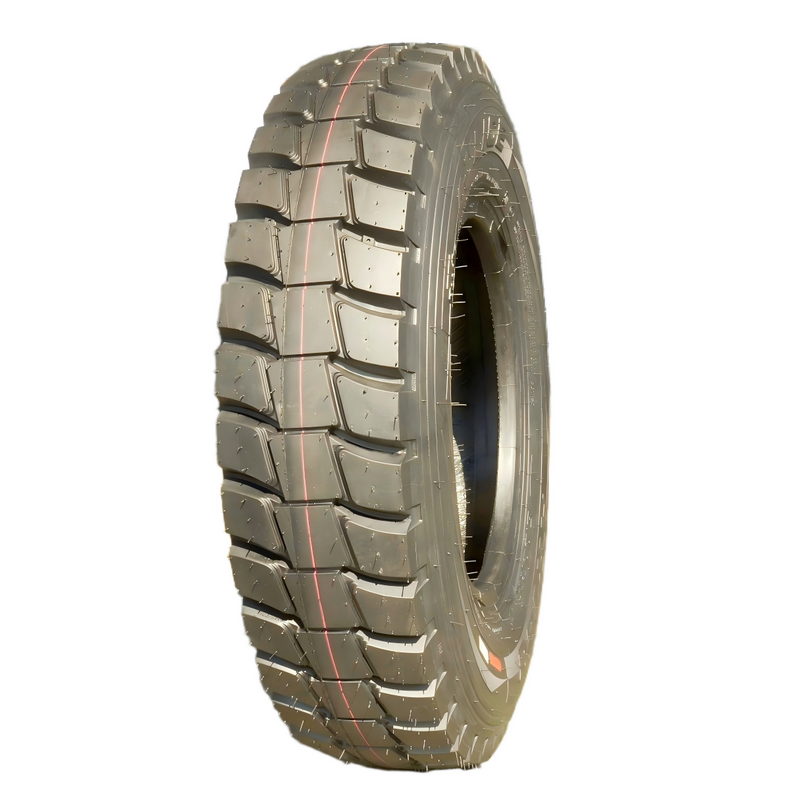
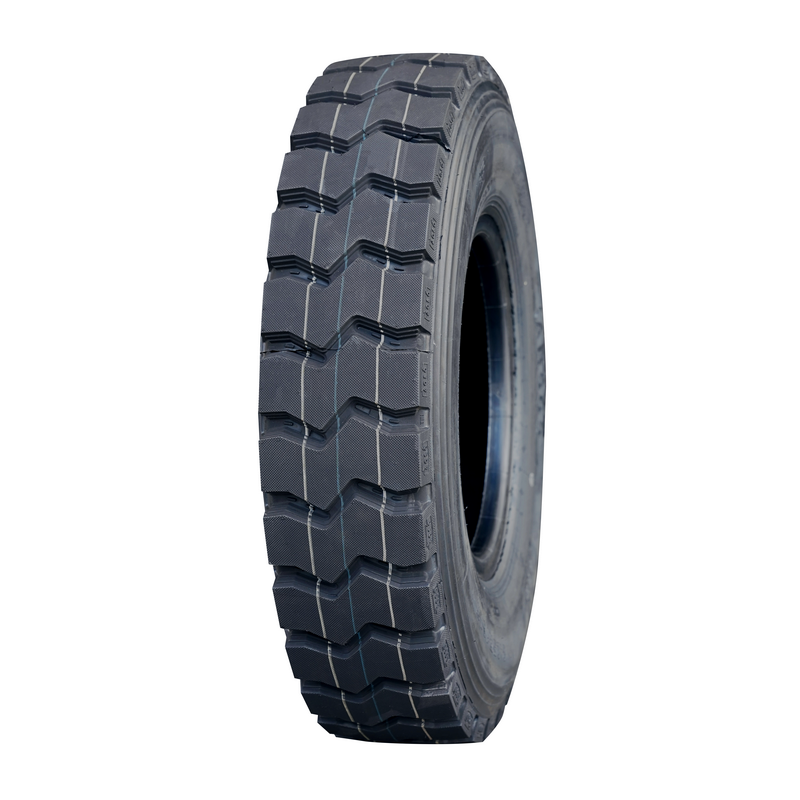
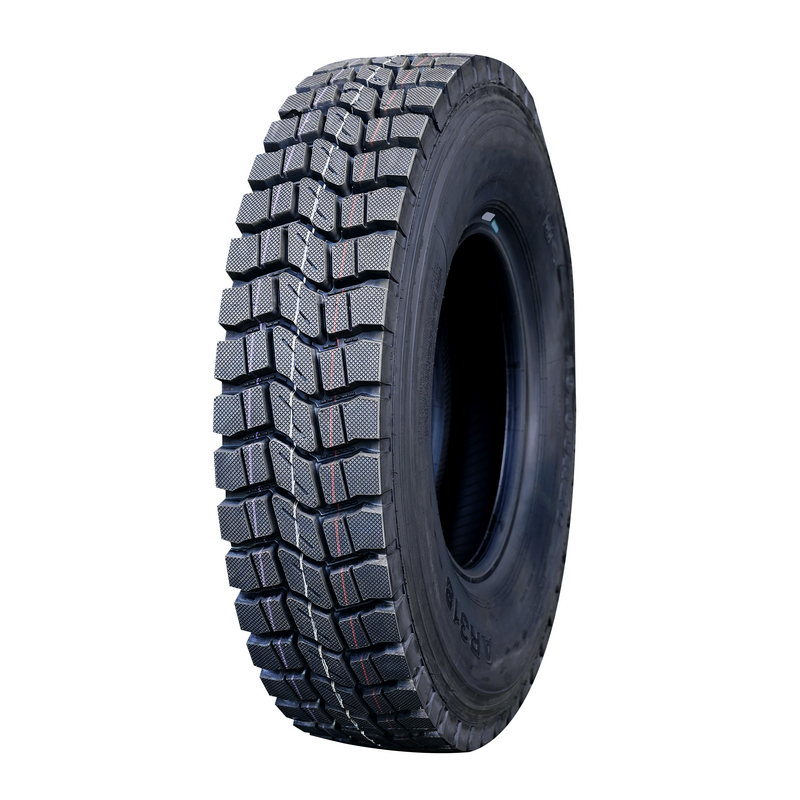
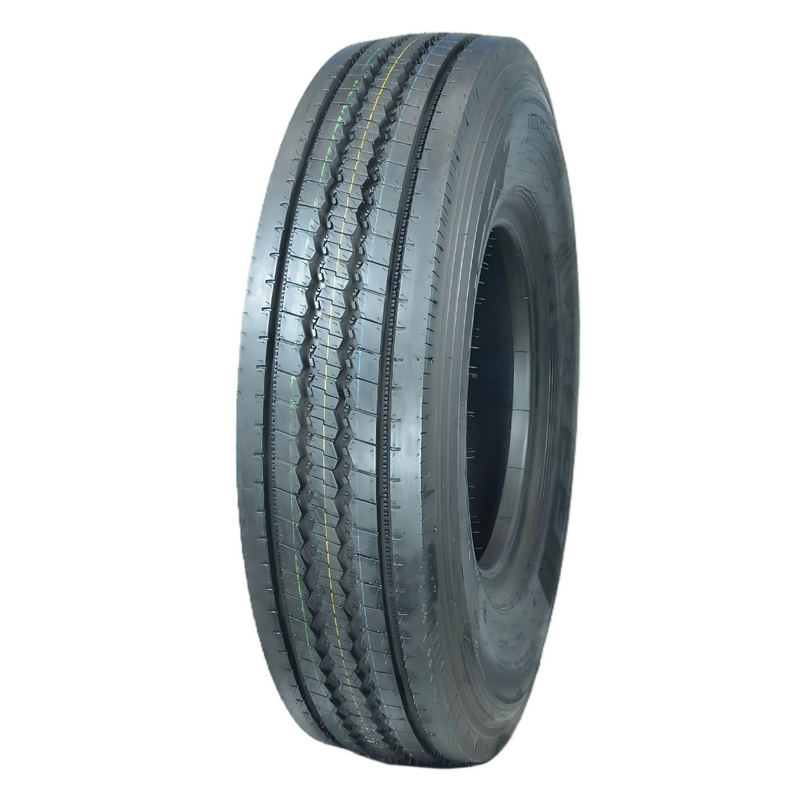
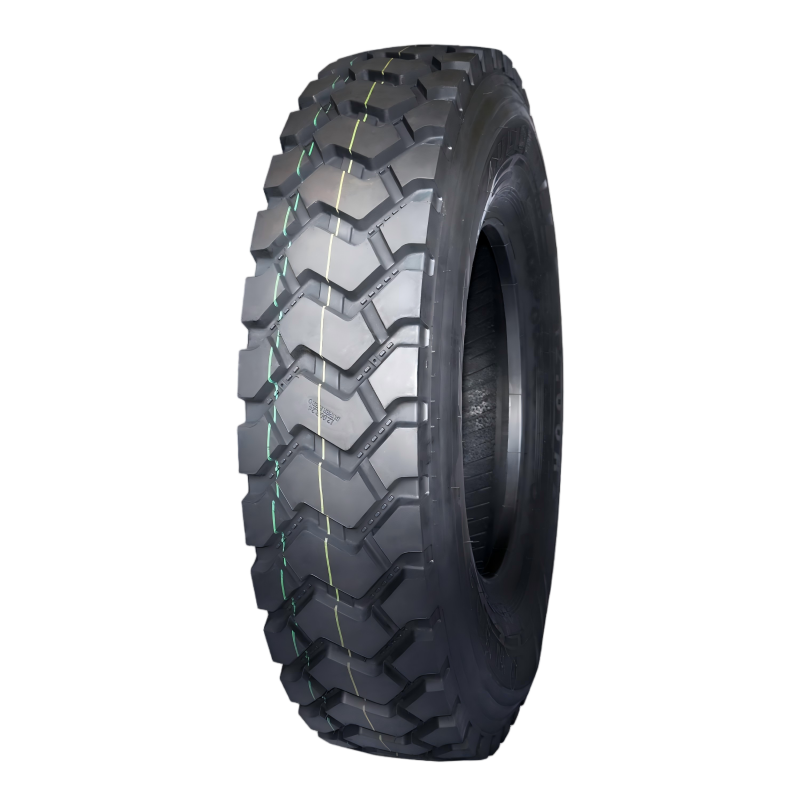
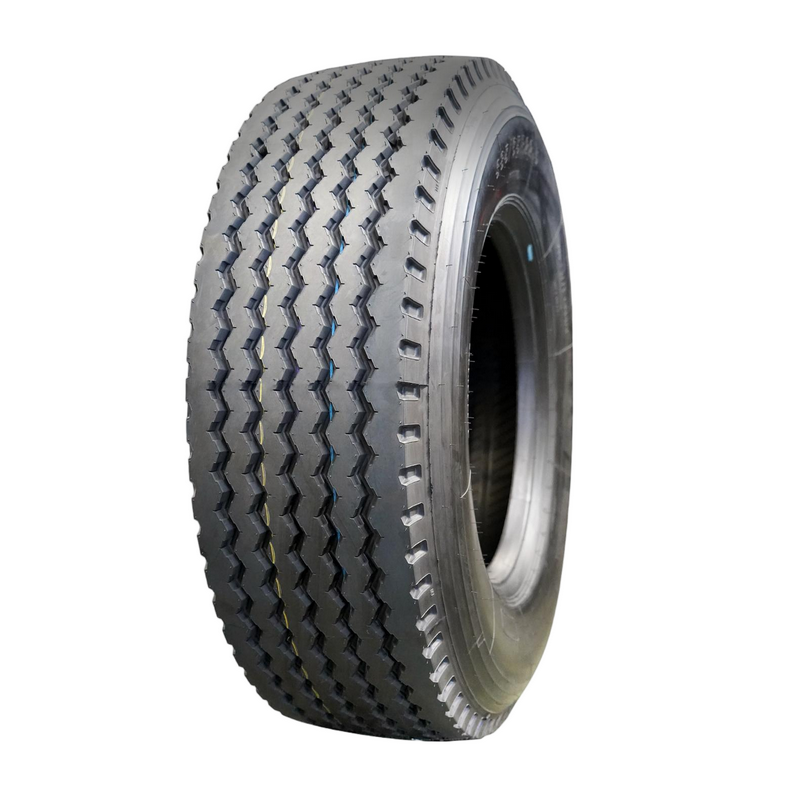
The steering axle endures unique mechanical stresses—constant turning torque, lateral scrubbing, and alignment sensitivity—that accelerate wear far beyond drive or trailer positions. Industry data confirms that 60% of premature tire failures begin here, primarily driven by misalignment, aggressive cornering on urban routes, and torsional strain from uneven pavement or uphill grades. Left unaddressed, this leads to unplanned replacements, service bay congestion, and costly downtime. Proactive selection—prioritizing steer-specific tread design, casing integrity, and alignment compatibility—mitigates these risks before wear compounds.
Using non-uniform steering tires—especially those with inconsistent tread depth, compound stiffness, or ply construction—introduces measurable rolling resistance variance. This forces the engine to compensate for uneven drag, increasing fuel consumption by up to 3.2% annually across medium- and heavy-duty fleets, according to SAE International testing (SAE J2263). Standardizing steer axle tires by specification—not just size—reduces wave resistance and improves driveline efficiency without requiring hardware upgrades.
Emergency replacement carries steep hidden premiums:
In contrast, structured bulk replacement programs—timed to align with routine service intervals—avoid these penalties while enabling optimized casing reuse and retread integration. Fleets adopting such protocols report 19–23% lower total cost per mile over tire life cycles.
Steering tires are not interchangeable across geographies. Mountainous corridors demand deeper treads (18/32" minimum) and cut-resistant polymer blends that reduce road calls by 19%, per Michelin Field Performance Reports. Coastal fleets benefit from silica-enhanced compounds delivering consistent wet-grip on maritime bridges and humid highways. Ply rating must be validated against actual axle loads—not just GVWR—to prevent casing fatigue; fleets operating in heavy-haul corridors achieve 26% longer steer-tire service life when matching ply ratings to real-world payload profiles. Rim compatibility is equally critical: third-party testing for micro-movement tolerance—especially with 22.5" aluminum wheels common in temperature-controlled fleets—cuts irregular wear by 37% in mixed-terrain operations.
Predictive maintenance systems now enable precise synchronization of bulk tire deliveries within 1.5 days of scheduled service windows. Centralized tread-depth monitoring triggers automatic procurement when regional averages fall below 6/32"—the optimal threshold for steer-tire rotation or replacement. Leading suppliers support this with Just-In-Time logistics, including staged regional warehousing that reduced changeover downtime by 42.6% in pilot fleets (Fleet Equipment Magazine, 2024). Climate-controlled storage preserves compound integrity during seasonal transitions—particularly vital for winter formulations requiring strict 50–65°F ambient conditions. Real-time transit tracking ensures inbound shipments match shop bay availability, eliminating $137K/year in expedited freight surcharges for Northeast fleets during Q1 maintenance peaks. These protocols also keep unplanned service interruptions below FMCSA’s 2% operational-hour threshold—supporting audit readiness and safety compliance.
Performance claims require verification—not just datasheets. Demand load index validation through on-road, AATCC-standardized testing (Association of Authority Codes and Certifications), not lab-only simulations. Require NMMA-certified compliance—or equivalent Transportation Ministry/Michelin “CMT” stamps—for vertical load stress protocols essential to multi-axle rig stability. Prioritize suppliers offering 18-month field trial reports with auditable metrics: casing retention rates under payload oscillation, tread separation incidents per million miles, and retread yield consistency. Contracts should mandate liability coverage for sudden tread separation—including roadside assistance and cascade damage to adjacent tires—and embed minimum inventory thresholds for high-demand tread patterns to ensure supply continuity.
Data-driven rotation—moving partially worn steering tires to drive or trailer positions based on real-time tread-depth mapping—extends steer axle life by 22%, per Goodyear Commercial Tire Systems’ 2023 fleet benchmark study. But success hinges on bulk inventory parity: maintaining identical tread depth, compound age, and casing condition across all steer positions. Without it, mismatched inventory forces either premature removal or compromised rotation cycles—eroding longevity gains and inflating total cost per mile. Integrating rotation planning with retread eligibility assessments (e.g., casing inspection at 8/32") further extends usable life and supports circular-economy goals without sacrificing safety or performance.
The steer axle faces unique stresses such as constant turning torque, lateral scrubbing, and alignment sensitivity, leading to accelerated tire wear compared to drive or trailer axles.
Mismatched steering tires result in rolling resistance variance, forcing the engine to compensate for uneven drag. This increases fuel consumption by up to 3.2% annually.
Bulk replacement programs avoid steep hidden costs, enable optimized casing reuse, and reduce the total cost per mile by about 19–23% over tire life cycles.
Such protocols match tire specifications—such as tread depth, compound type, and ply rating—to regional route demands, leading to longer service life and lower downtime risks.
Fleet operators should prioritize suppliers that validate performance claims through certified testing, provide auditable trial data, and offer liability coverage for tread separation.
Maintaining bulk inventory parity ensures consistency in tread depth, compound age, and casing condition across steer positions, enabling effective rotation and extending tire lifecycle.
 Hot News
2025-10-18
2025-10-17
2025-10-15
2025-10-14
2025-10-10
2025-09-22

Qingdao Surpass Rubber Technology Co., Ltd provides advanced tire manufacturing for global markets. Our R&D-driven approach delivers durable, energy-efficient tires with superior grip. 1M+ annual capacity, 50+ countries served.
T1 (QRCB Mansion), NO.6, Qinling Road, Qingdao, China
Copyright © 2025 by Qingdao Surpass Rubber Technology Co., Ltd Privacy Policy
 EN
EN