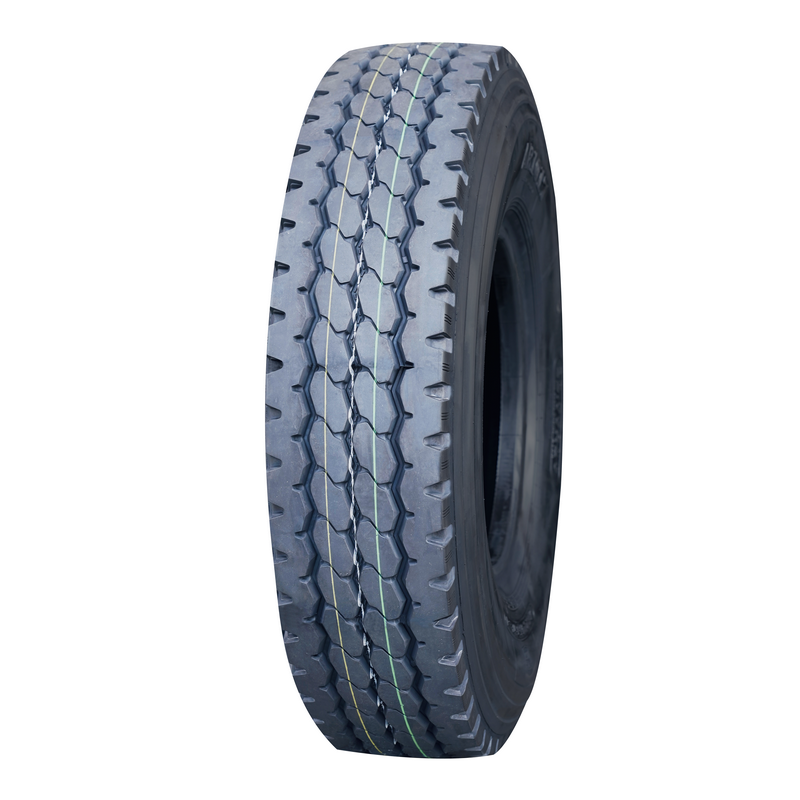
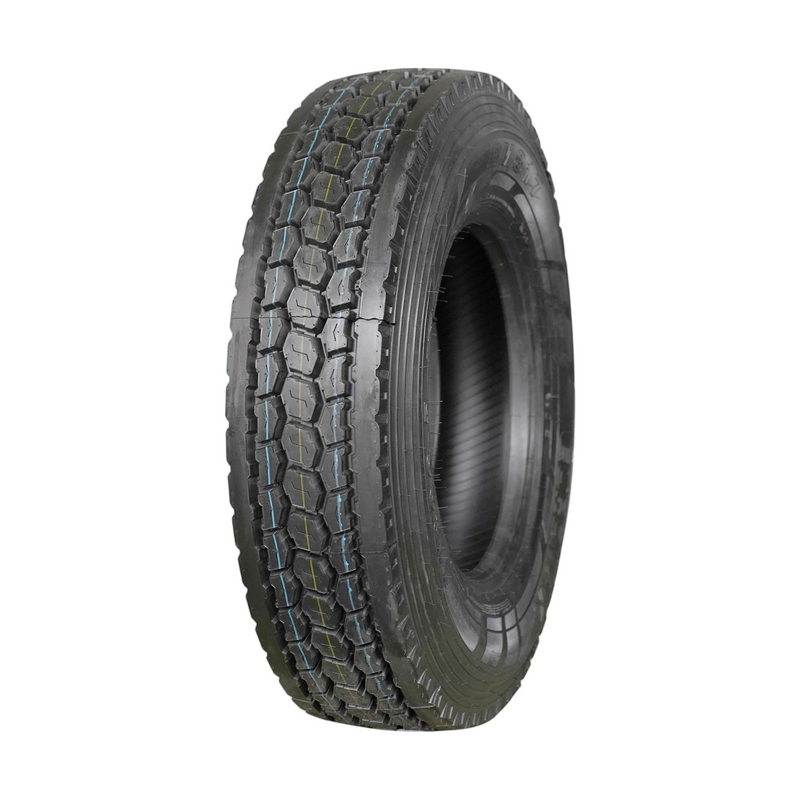
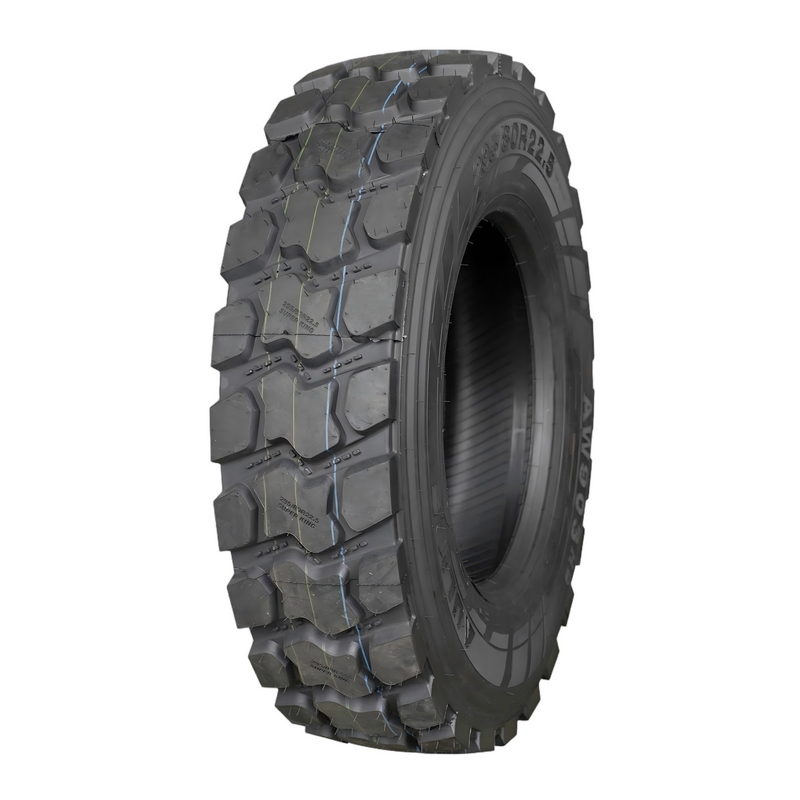
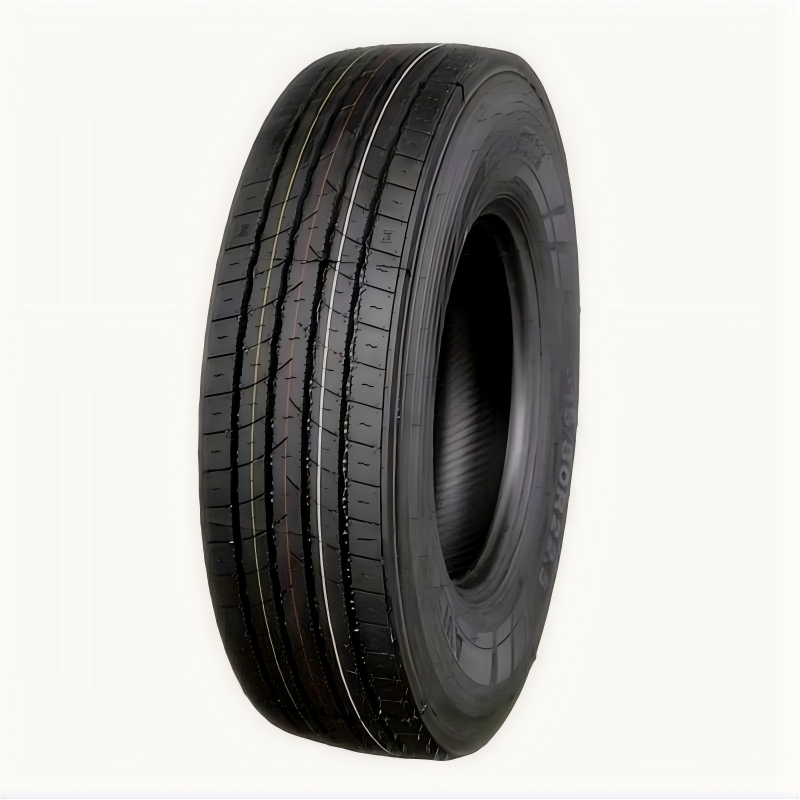
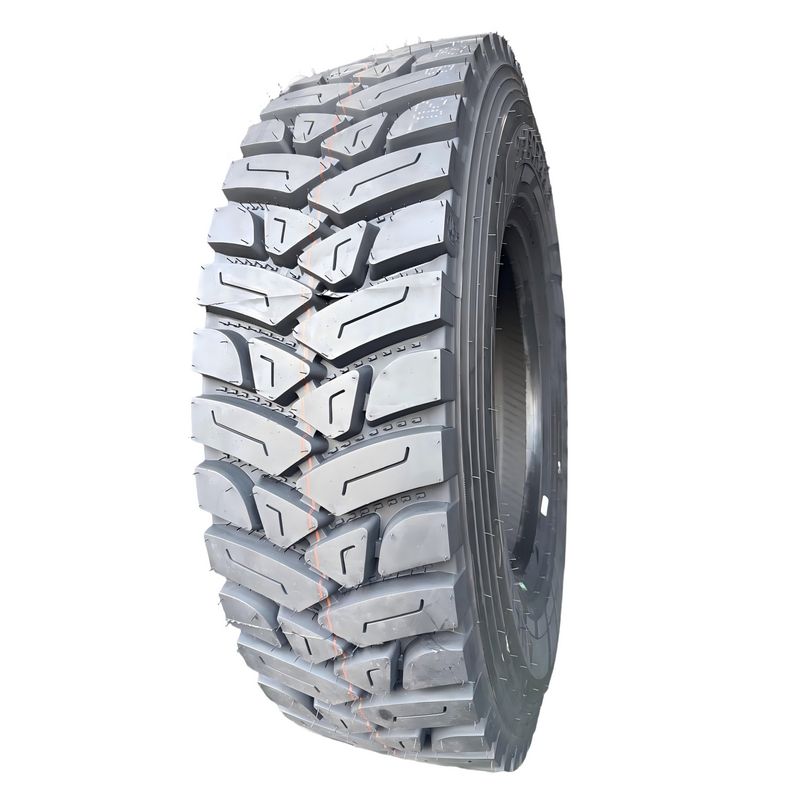
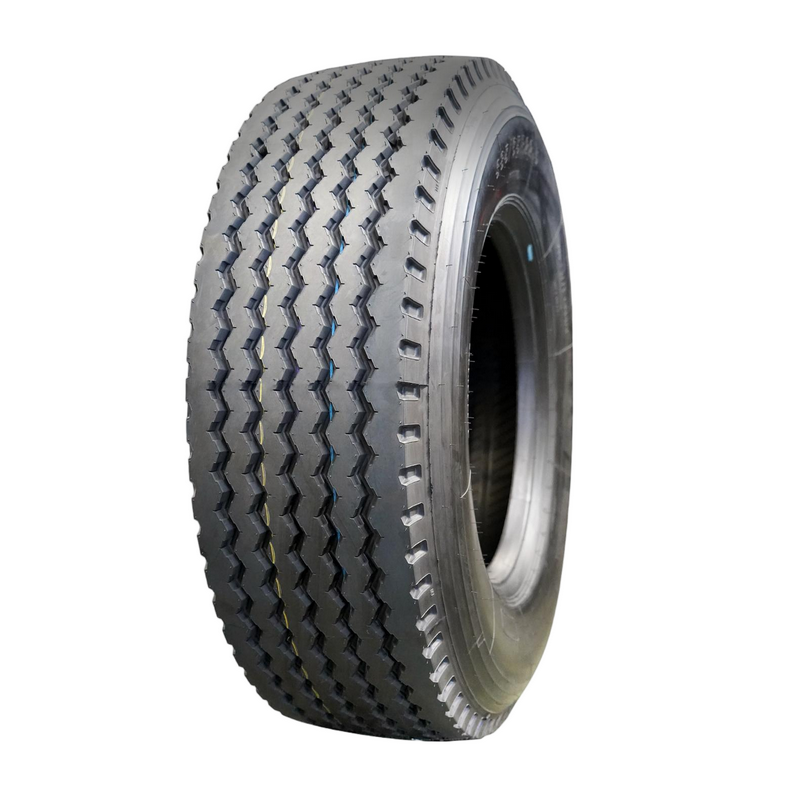
Rolling resistance arises from tire deformation during motion—energy lost as heat rather than forward motion. Economic tires reduce this loss through silica-enhanced rubber compounds and tread geometries engineered to minimize hysteresis. Because less engine power is needed to overcome resistance, fuel consumption drops measurably at highway speeds. This principle is grounded in well-established thermodynamics: every 10% reduction in rolling resistance typically yields a 1–2% improvement in fuel efficiency—a relationship validated by SAE J1269 and ISO 28580 test standards.
Fleets operating Class 8 trucks consistently achieve 3–7% fuel economy gains when switching to EPA SmartWay-verified or EU Label Class A-certified economic tires—provided they’re properly specified, inflated, and maintained. These results reflect real-world operational data from major North American carriers tracked over 12-month periods. For high-mileage fleets, that translates to meaningful reductions in both fuel spend and CO₂ emissions—up to 1.2 tons of CO₂ saved per tire annually, according to U.S. Environmental Protection Agency modeling.
Focusing only on purchase price overlooks the full economic picture. Premium economic tires cost 15–25% more upfront but deliver lower cost per mile due to three interlocking advantages: extended tread life, reduced fuel consumption, and higher retread potential. A budget tire priced at $300 may wear out at 120,000 miles while imposing a 4% fuel penalty—pushing its effective cost to $0.042 per mile. In contrast, a $380 premium economic tire lasting 180,000 miles with a 6% fuel saving lands at approximately $0.032 per mile.
| Tire type | Upfront cost | Tread life (miles) | Fuel penalty/ saving | Estimated cost per mile |
|---|---|---|---|---|
| Budget | $300 | 120,000 | +4% fuel use | $0.042 |
| Premium economic | $380 | 180,000 | –6% fuel use | $0.032 |
For a fleet of 100 trucks averaging 120,000 miles annually, this difference supports over $120,000 in annual savings across fuel and replacement costs—without requiring capital upgrades.
Early low-rolling-resistance tires often compromised durability or wet grip—but today’s generation resolves that trade-off. Advanced silica-silane compounds reduce internal friction without sacrificing elasticity, preserving tread wear rates comparable to standard drive tires. Computer-modeled tread patterns with multi-angle grooves and laser-cut sipes maintain hydroplaning resistance and wet stopping distances within 2% of top-tier all-position tires, per independent testing by the Tire Industry Association (TIA). Meanwhile, optimized footprint uniformity prevents irregular wear, ensuring the 6% rolling-resistance advantage holds across the full service life.
Under-inflation is the most common and costly oversight in tire management. Just 20% under-inflation increases rolling resistance by up to 10%, directly raising fuel consumption and accelerating shoulder wear. Automated tire pressure monitoring systems (TPMS) eliminate reliance on manual checks—providing real-time alerts before pressure loss degrades performance or casing integrity. Daily cold-pressure verification against OEM specifications remains essential: consistent inflation preserves the low-rolling-resistance design intent and protects retreadability, extending value across multiple life cycles.
Economic tires perform best when supported by disciplined maintenance. Regular rotation—every 25,000–30,000 miles—ensures even tread wear across axle positions. Precision alignment corrects camber and toe angles that cause scrubbing, which wastes fuel and induces premature wear. Load optimization ensures tires operate within their rated capacity; overloading generates excess heat, accelerating degradation and voiding warranties. Fleets integrating these practices see 15–20% longer tread life—directly reinforcing the TCO advantage and maximizing return on the initial economic tire investment.
Retreaded economic tires extend savings while advancing sustainability goals—without compromising performance. By reusing the robust casing of a premium economic tire, retreading delivers fuel efficiency, tread life, and wet traction closely aligned with new equivalents, at 30–50% lower cost. Modern buff-and-build processes meet or exceed FMVSS No. 117 and RMA guidelines, and quality casings routinely support two or three retreads. Each cycle saves ~70% of raw materials and cuts CO₂ emissions by ~30% versus new-tire production, per Rubber Manufacturers Association lifecycle assessments.
Critically, the low rolling resistance engineered into the original casing remains intact after retreading—meaning fuel savings persist across multiple lives. For fleets already specifying economic tires on steer and drive axles, deploying retreaded versions on trailers unlocks incremental savings. When paired with disciplined inflation, rotation, and load management, retreaded economic tires become a high-confidence, high-value component of long-term fleet strategy—proven in operation, validated by standards, and aligned with both financial and environmental objectives.
Rolling resistance is the energy lost due to tire deformation as it moves, usually dissipated as heat. Lower rolling resistance reduces the energy required to move a vehicle, resulting in lower fuel consumption.
Class 8 fleets can achieve 3–7% fuel economy gains by using certified economic tires such as EPA SmartWay-verified or EU Label Class A tires.
Yes, premium economic tires offer lower cost per mile due to longer tread life, reduced fuel consumption, and higher retread potential, making them more cost-efficient in the long run.
Disciplined practices like proper inflation, regular rotation, and alignment ensure even tread wear and optimal performance, extending tire life and reducing costs.
Retreaded economic tires maintain fuel-efficiency and performance at a lower cost while promoting sustainability by reusing materials and reducing CO₂ emissions.
 Hot News
2025-10-18
2025-10-17
2025-10-15
2025-10-14
2025-10-10
2025-09-22

Qingdao Surpass Rubber Technology Co., Ltd provides advanced tire manufacturing for global markets. Our R&D-driven approach delivers durable, energy-efficient tires with superior grip. 1M+ annual capacity, 50+ countries served.
T1 (QRCB Mansion), NO.6, Qinling Road, Qingdao, China
Copyright © 2025 by Qingdao Surpass Rubber Technology Co., Ltd Privacy Policy
 EN
EN