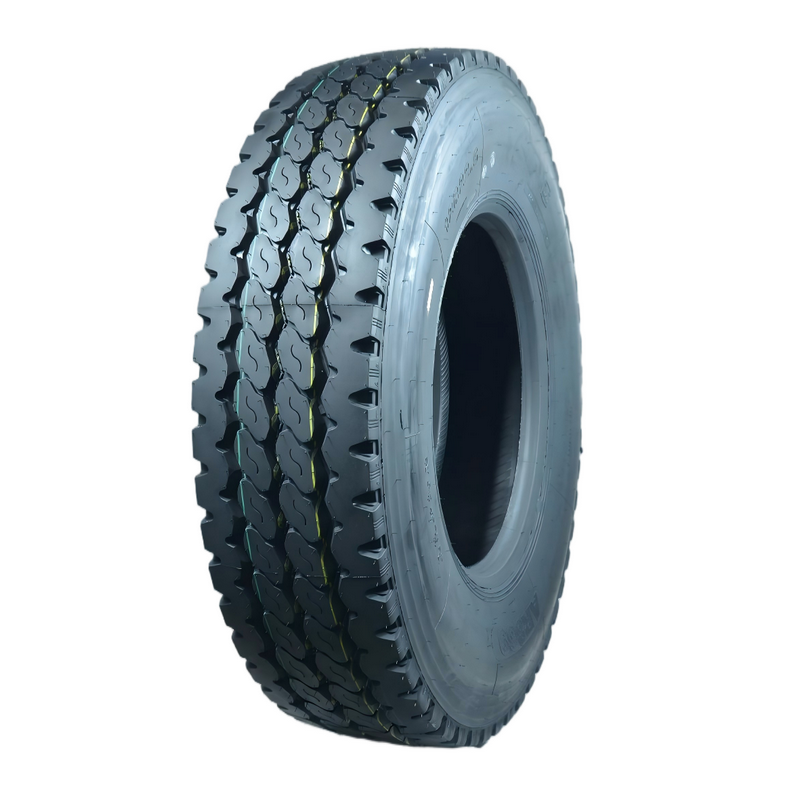
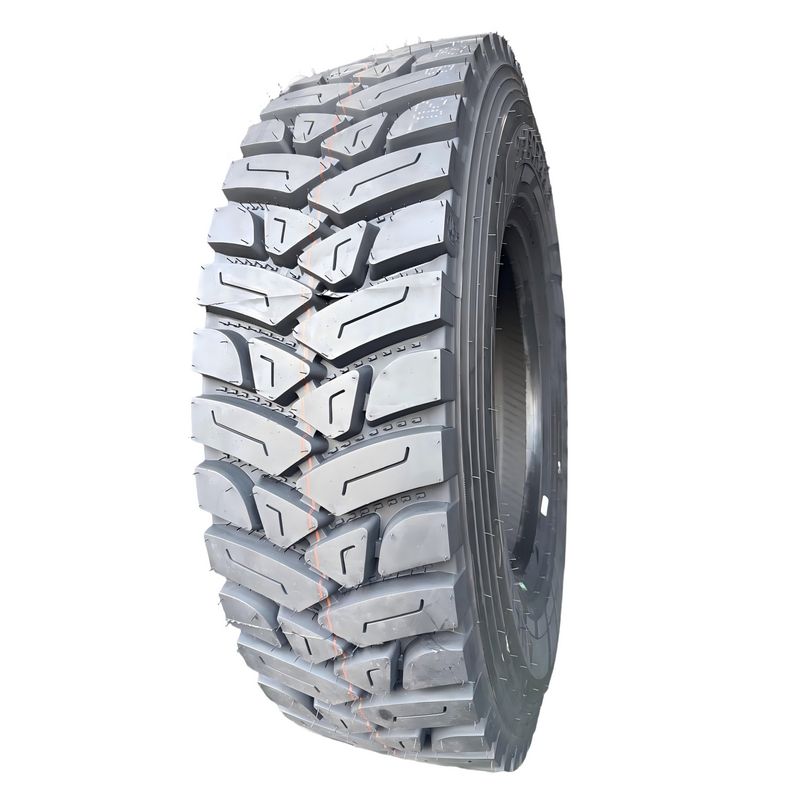
My real experience in choosing economic tire for fleet operation
I once managed a small and medium-sized logistics fleet, and tire cost was always one of our biggest pressures. At first, we blindly chose the cheapest tires to save money. Although the purchase cost was low, the wear speed was extremely fast, the sidewalls were easily damaged, and the fuel consumption increased. We had to replace them frequently, and the total cost was even higher. Later, we began to study how to select a truly economic tire. We turned to a professional manufacturer with mature technology and reliable quality. Their economic tire not only had a reasonable price but also showed good performance in wear resistance, load-bearing capacity and rolling resistance. After using them for a period of time, the replacement cycle was significantly extended, the fuel cost was reduced, and there were fewer sudden failures. This practical experience made me understand that an economic tire is not about being cheap, but about achieving the best balance between performance and cost.
Expert analysis: The core logic of economic tire balancing performance and cost
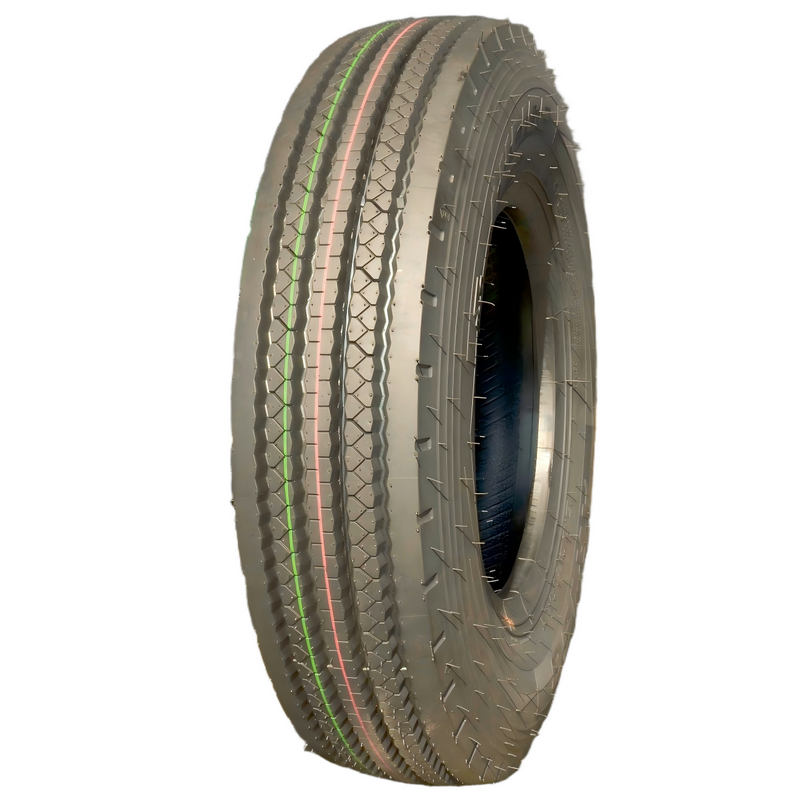
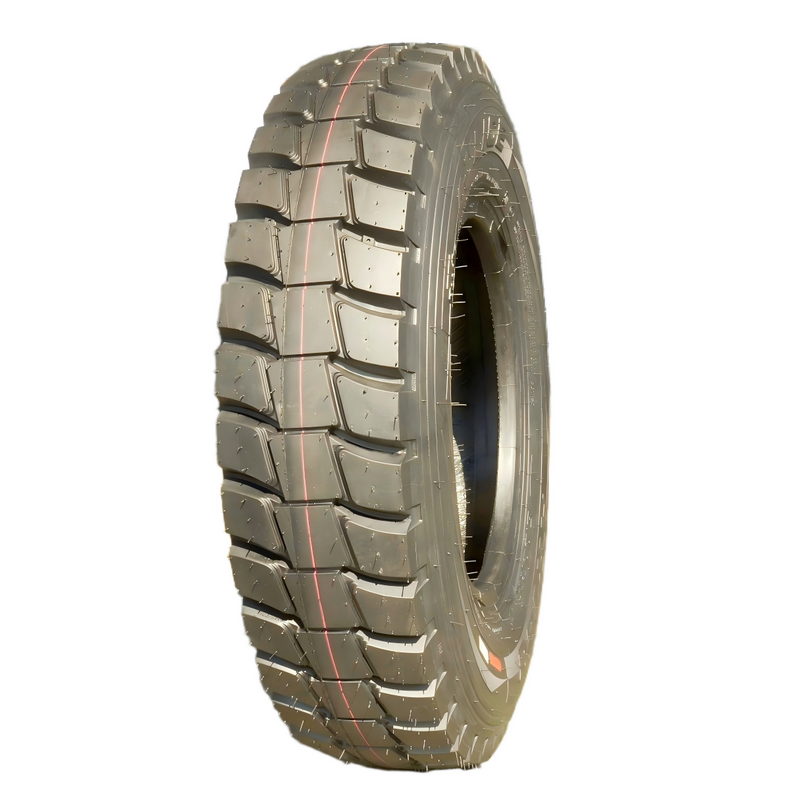
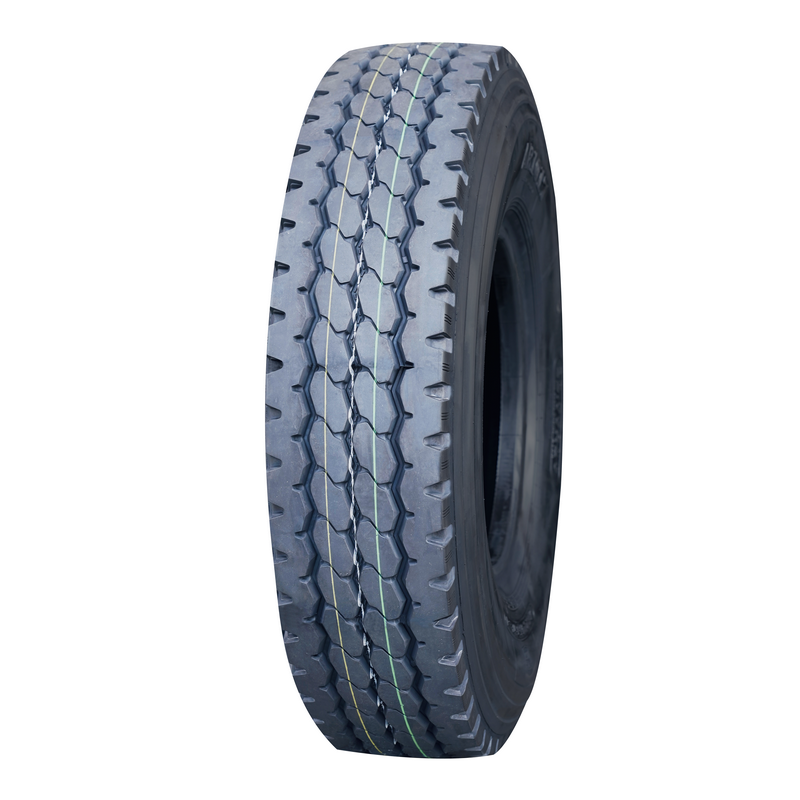
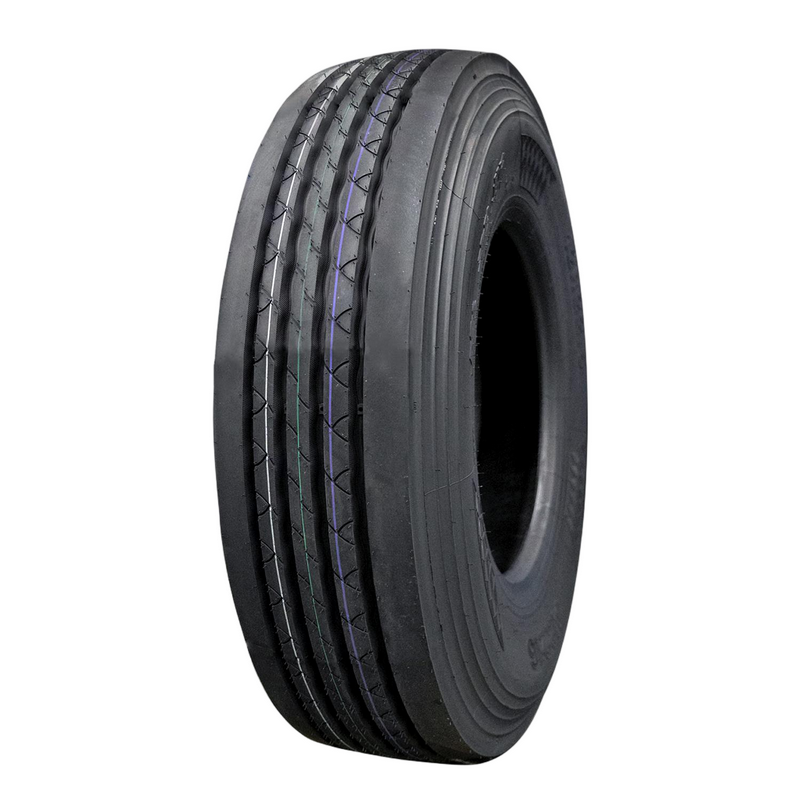
Industry experts point out that the design of an economic tire is not a simple reduction of standards, but an optimized combination based on actual working conditions. The key lies in balancing wear resistance, rolling resistance, load-bearing performance and service life through reasonable formula design, structural optimization and mature manufacturing technology. A high-quality economic tire uses moderately wear-resistant rubber compounds and reinforced carcass materials to ensure basic safety and durability without increasing unnecessary costs. At the same time, it optimizes the tread pattern and tire shape to reduce rolling resistance and save fuel consumption. According to the data from professional institutions, reducing rolling resistance can effectively reduce fuel consumption, and longer service life can reduce the number of replacements. The economic tire achieves cost control under the premise of meeting daily use needs, which is the result of professional design and precise manufacturing.
Professional advantages of economic tire from professional manufacturers
A professional economic tire manufacturer has core advantages in ensuring cost-effective products. They have mature production lines and strict quality control systems, which can reduce production costs through large-scale and standardized production. They have professional R&D teams to continuously optimize formulas and structures, so that the economic tire can meet the daily needs of logistics and transportation without unnecessary high configurations. Each economic tire has undergone strict testing, including wear resistance, pressure resistance, high-speed performance and other indicators, to ensure stable quality. In addition, professional manufacturers can provide a complete range of specifications to meet the needs of different models and working conditions, and provide factory direct sales prices to reduce intermediate links, allowing users to obtain truly cost-effective products.
How to select the right economic tire to balance performance and cost
To select the right economic tire, you need to combine actual working conditions. First, clarify the vehicle type, load and road conditions. For long-distance highway transportation, focus on rolling resistance and wear resistance; for urban distribution vehicles, focus on sidewall strength and impact resistance. Second, check the product parameters, including load index, speed level and wear indicators, to ensure they meet the requirements. Third, choose products from professional manufacturers, which have more reliable quality and after-sales guarantee. Fourth, do not only look at the unit price, but calculate the comprehensive cost including service life and fuel consumption. A truly economic tire can reduce the overall operating cost even if the unit price is slightly higher.
Practical tips for using economic tire to extend service life
Correct use and maintenance can further maximize the value of economic tire. First, maintain standard tire pressure. Too high or too low air pressure will accelerate wear and increase fuel consumption. Second, avoid overloading and violent driving, which will reduce the damage to the tire. Third, regularly check the tire condition, including tread wear, sidewall damage and foreign matter in the tread. Fourth, do tire rotation and wheel alignment regularly to ensure uniform wear. With correct selection and proper maintenance, the economic tire can give full play to its performance advantages, achieve the balance of performance and cost, and bring real economic benefits to fleet operation.
 Hot News
 EN
EN