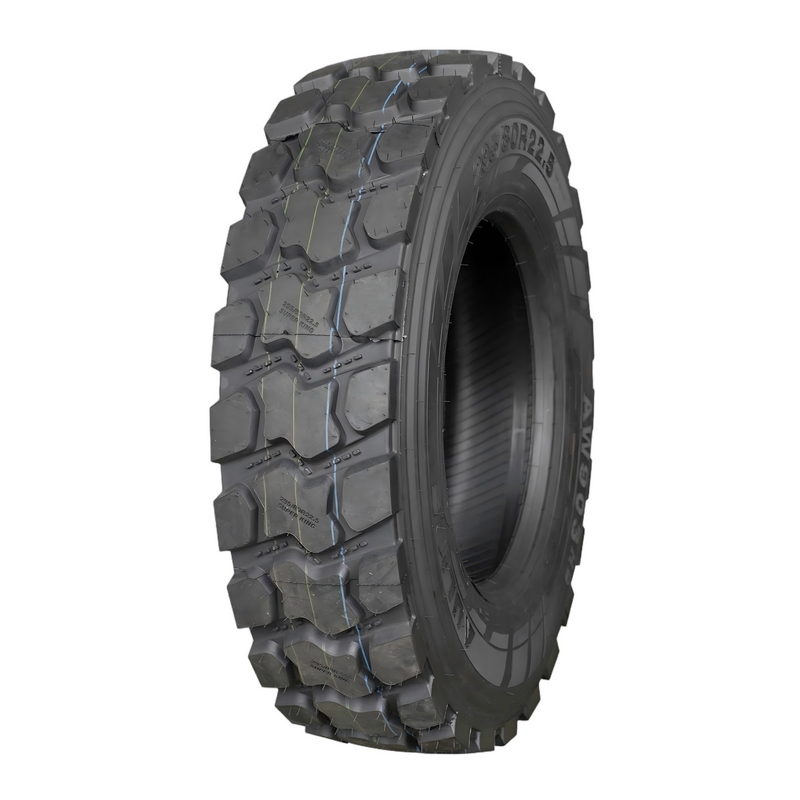
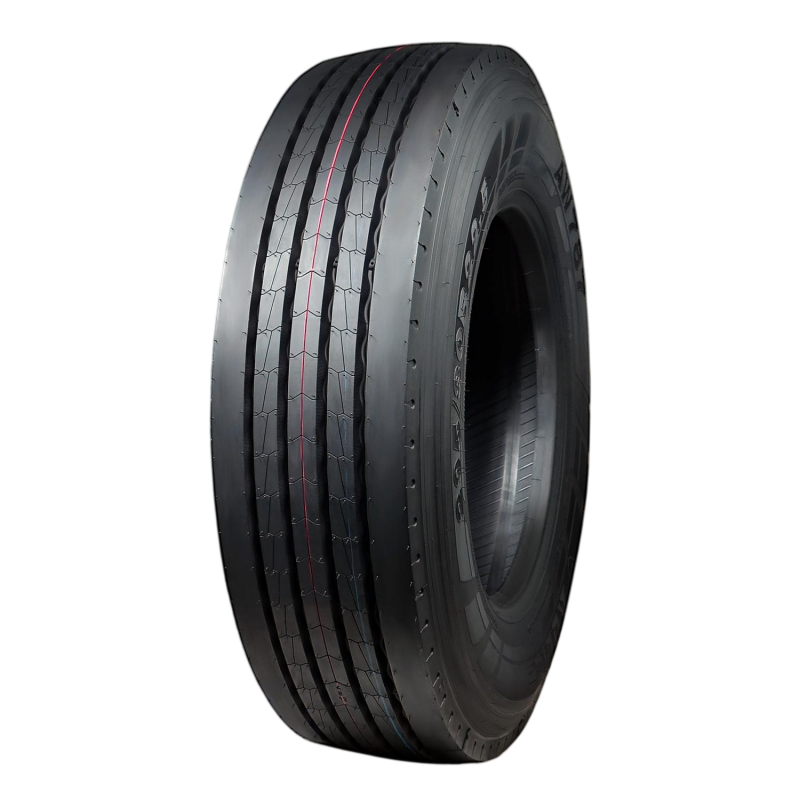
My hands-on experience with energy-efficient economic tire in fleet cost control
A few years ago, I was responsible for daily operation and cost control of a medium-sized logistics fleet. Fuel consumption and tire replacement had long been our two largest recurring expenses. We once chose cheap tires just to lower the upfront cost, but they wore out unevenly very quickly, generated excessive heat during long hauls, and required frequent replacements. Worse, fuel consumption kept rising, which ended up costing us more overall. After consulting transportation management specialists, we switched to energy-efficient economic tire models designed for both fuel saving and durability. The improvement was obvious and immediate. Our average fuel consumption per 100 kilometers dropped noticeably, tire service life became much longer, and unexpected breakdowns decreased sharply. Within just a few months, the total monthly operating cost fell by a large margin. This real fleet experience made me clearly realize that choosing the right energy-efficient economic tire is one of the most effective ways to steadily reduce fleet expenses without sacrificing safety or performance.
Expert analysis: How energy-efficient economic tire cuts operating costs
Transportation and tire industry experts have confirmed that rolling resistance is responsible for about 30 percent of total fuel consumption in heavy trucks. Reducing rolling resistance directly lowers fuel use, which is the largest ongoing cost for most fleets. An energy-efficient economic tire uses specially formulated rubber materials, optimized tread patterns, and improved carcass structure to reduce energy loss while maintaining reliable strength and wear life. According to authoritative industry data, reducing rolling resistance by just 20 percent can lower fuel consumption by 3% to 8% and extend tire service life at the same time. Unlike low-quality tires that save cost by weakening materials, a true economic tire achieves energy efficiency through professional design and stable manufacturing. It reduces fuel expenses, lowers replacement frequency, cuts maintenance labor, and reduces downtime. Every performance feature is designed to lower the total cost of operation rather than just the purchase price.
Core advantages of professional energy-efficient economic tire design and production
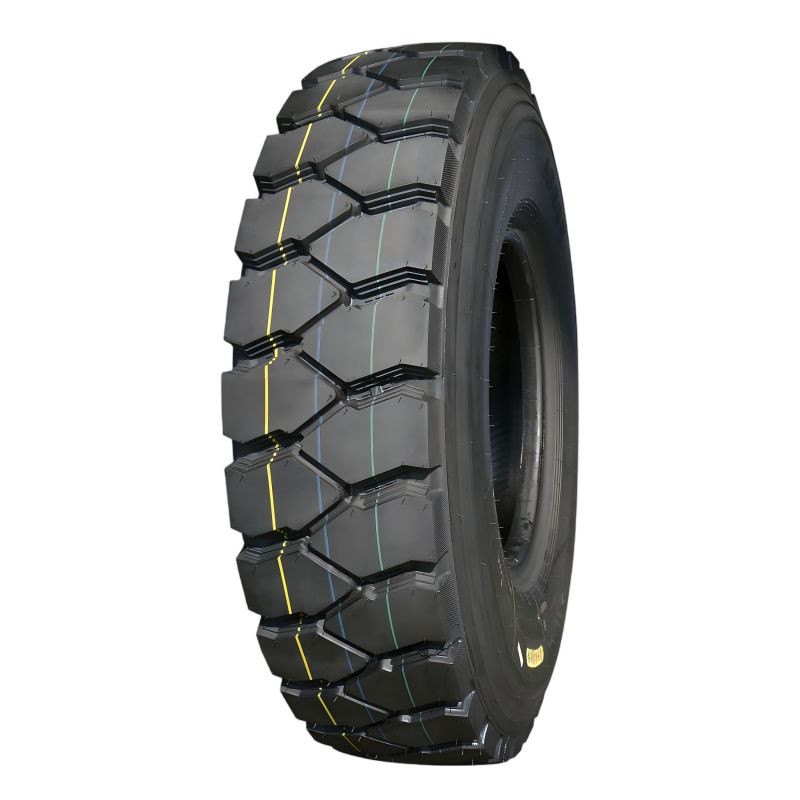
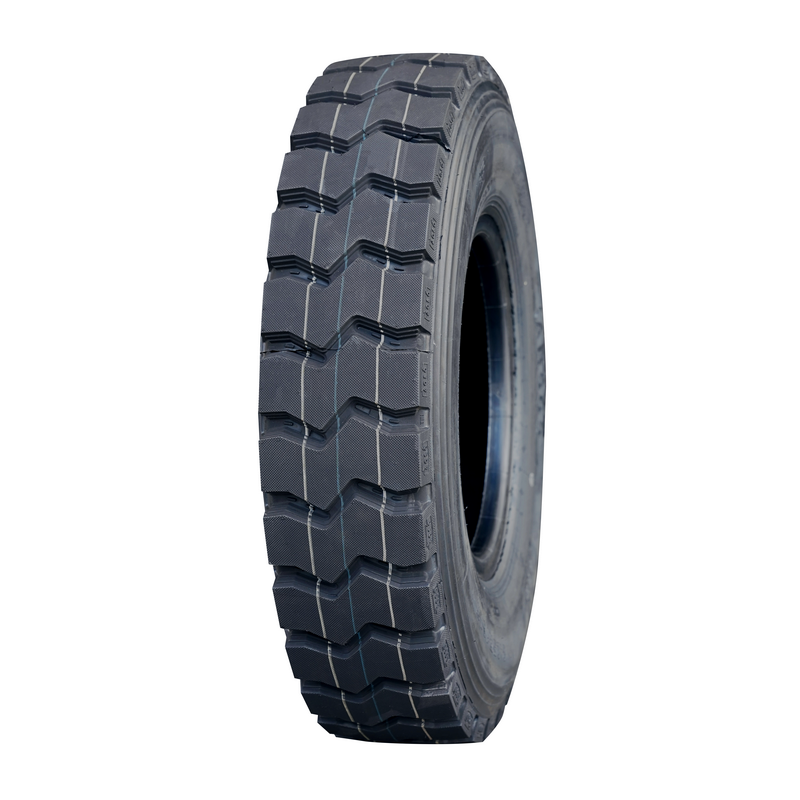
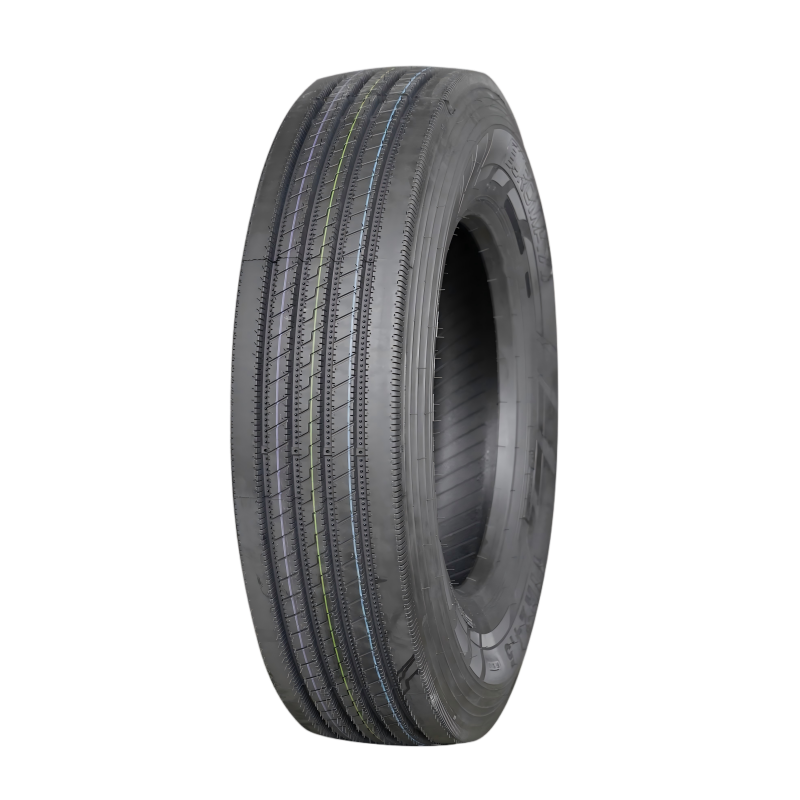
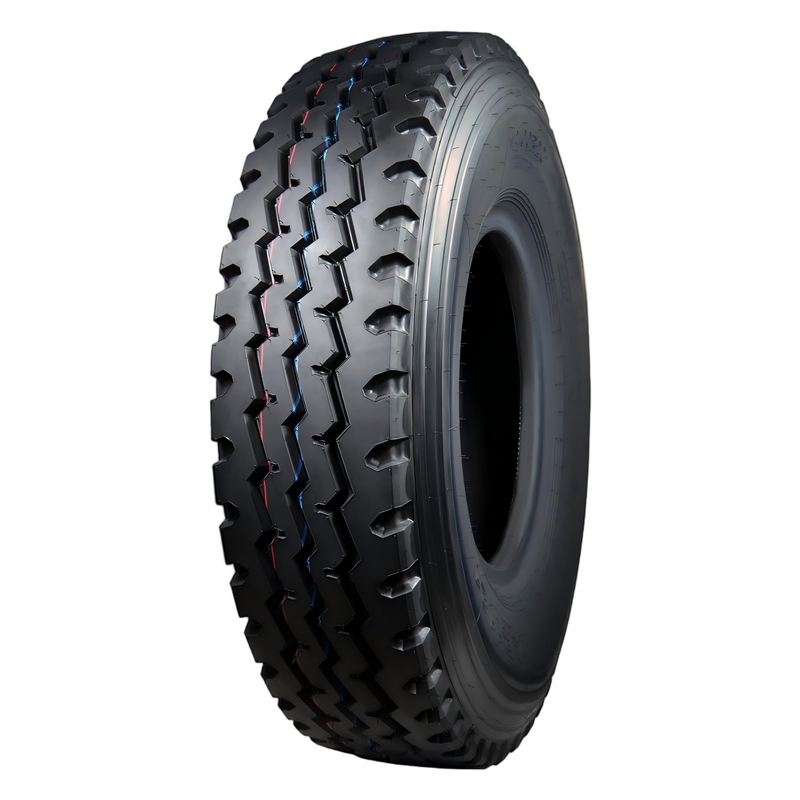
A truly reliable energy-efficient economic tire comes from professional design, strict material control, and mature production systems. High-quality rubber compounds with low heat generation and high wear resistance form the tread, balancing energy efficiency and durability. High-strength cord materials provide stable support under heavy loads, reducing deformation and energy waste. The tread pattern is engineered to ensure uniform contact pressure, effective water drainage, and reduced rolling resistance without compromising grip or safety. Each tire is tested for uniformity, balance, and rolling resistance to ensure consistent performance. Professional manufacturers also provide complete specifications suitable for steering wheels, drive wheels, and trailers, allowing fleets to use the right economic tire in each position for maximum efficiency. Such comprehensive quality control ensures every energy-efficient economic tire delivers stable, predictable, and cost-saving performance.
How energy-efficient economic tire supports long-term fleet cost reduction
Using energy-efficient economic tire brings multiple layers of financial benefits to fleets. First, lower rolling resistance directly reduces fuel consumption, which creates monthly savings that add up significantly over a year. Second, improved wear resistance and uniform tread wear mean longer service life and fewer replacements, cutting both material and labor costs. Third, better heat dissipation and structural stability reduce blowouts and roadside failures, lowering rescue fees, delivery delays, and accident risks. Fourth, consistent quality reduces the time managers spend dealing with tire problems, improving overall operational efficiency. For long-haul fleets, urban distribution trucks, and regular load vehicles, the right energy-efficient economic tire adapts to different routes and loads while keeping costs low. Over the tire’s full life cycle, the total savings are far greater than any small difference in initial price.
Practical guidance for choosing and using energy-efficient economic tire
To maximize cost savings from energy-efficient economic tire, follow practical and proven steps. First, select the right tread pattern and specification based on your typical routes, loads, and vehicle positions. Second, always maintain proper tire pressure; incorrect pressure is the leading cause of abnormal wear and higher fuel use. Third, inspect tires regularly for cuts, cracks, uneven wear, and embedded stones to avoid sudden failures. Fourth, rotate tires periodically and keep wheels aligned and balanced to ensure even wear and consistent efficiency. Fifth, avoid overloading and aggressive driving, which place unnecessary stress on tires and reduce efficiency. By choosing a professional, high-quality energy-efficient economic tire and using it correctly, you can achieve consistent fuel savings, longer tire life, lower maintenance costs, and more stable daily operations. This simple change creates real, sustainable savings for any fleet.
 Hot News
 EN
EN