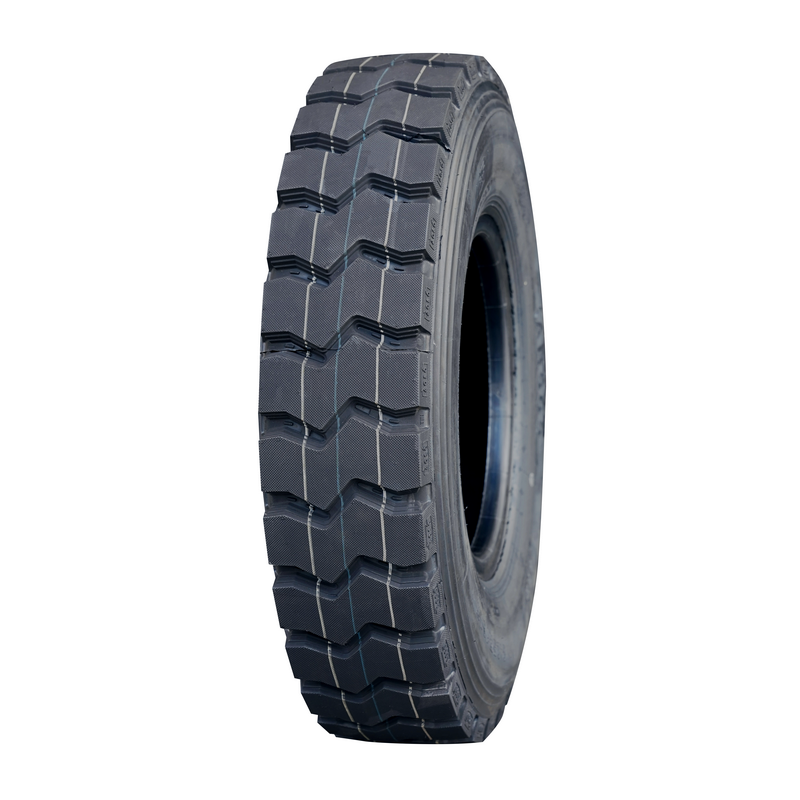
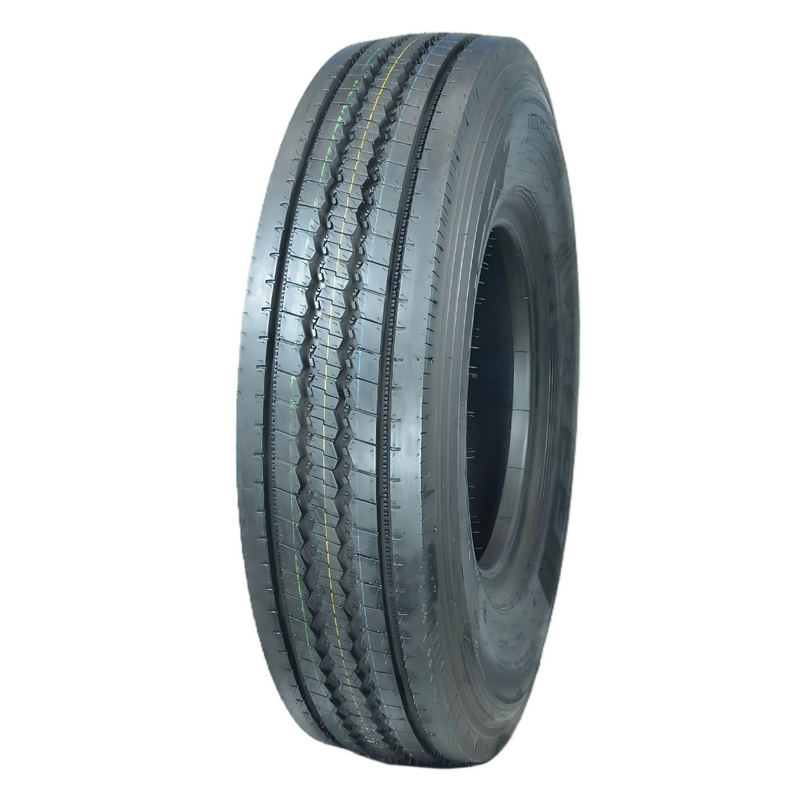
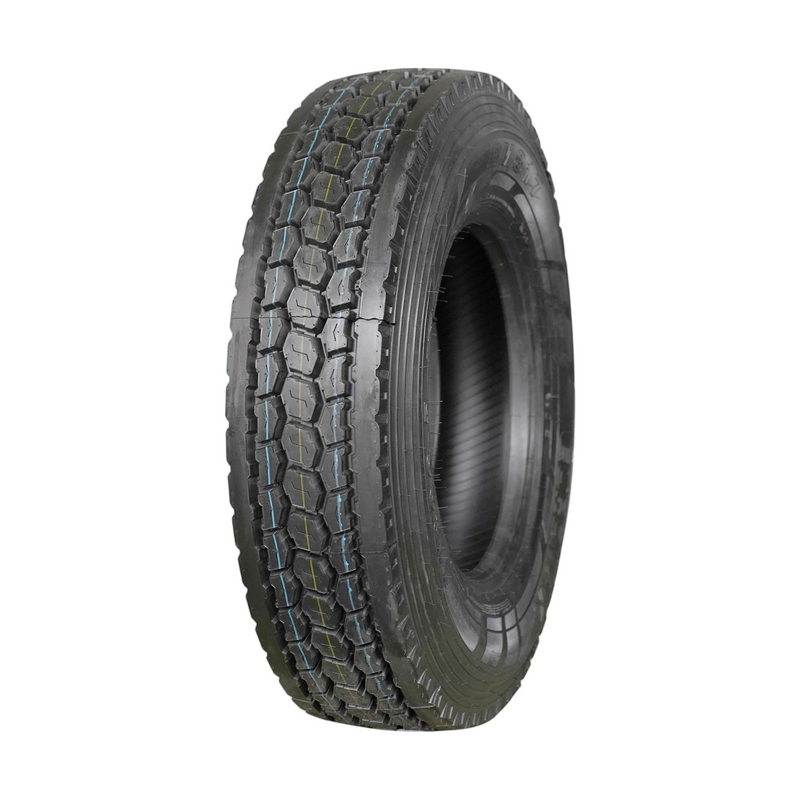
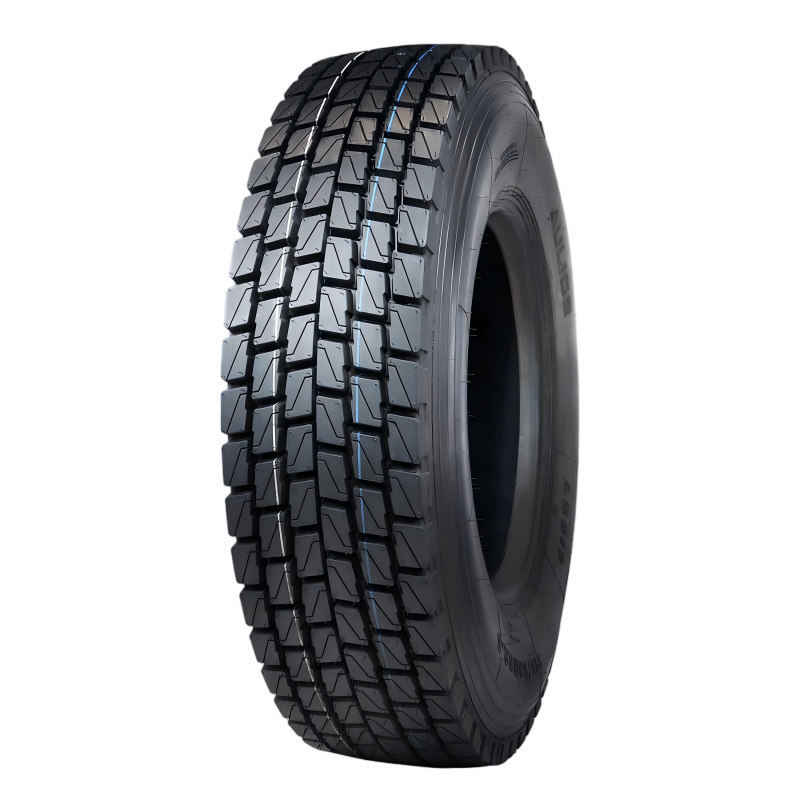
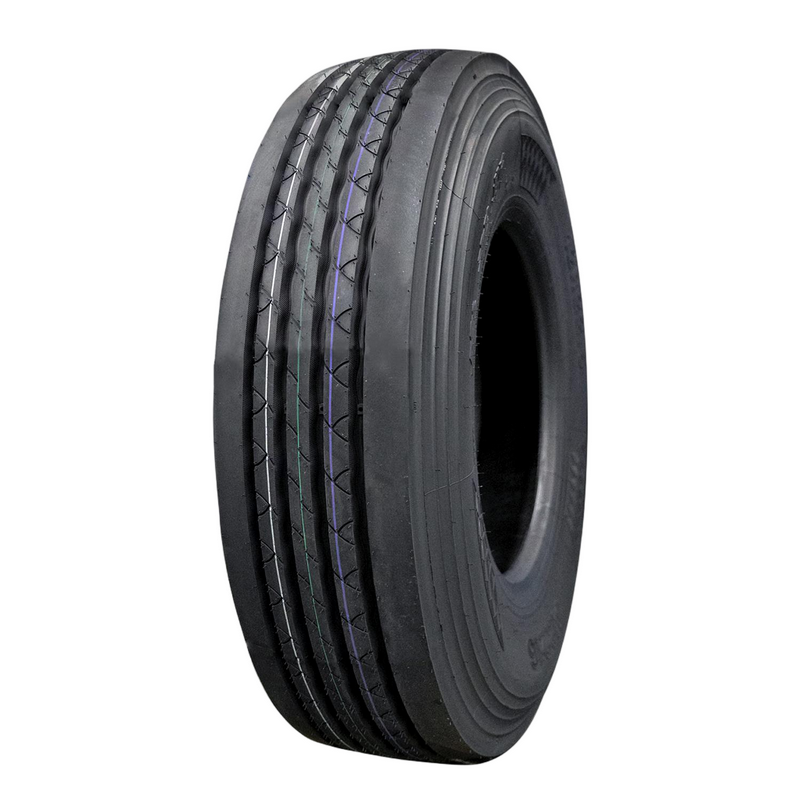
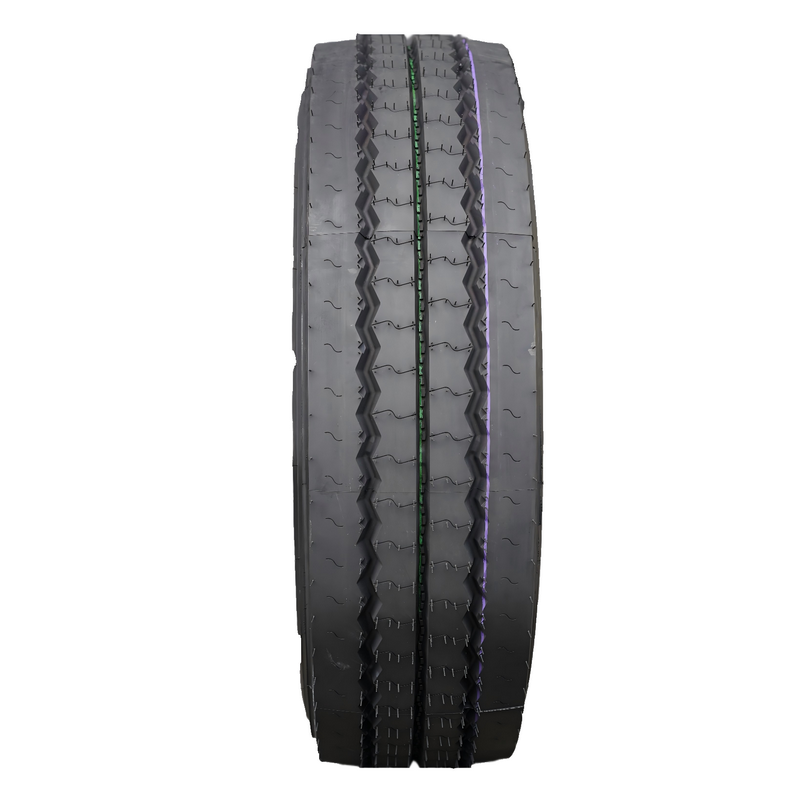
Radial tires outperform bias-ply designs in three critical areas: heat management, sidewall flexibility, and load distribution. Their steel-belted tread and radial-ply carcass allow the tread and sidewall to function independently—reducing internal friction and heat buildup, the leading cause of tire failure. This efficient heat dissipation prevents thermal degradation that weakens bias-ply casings. Radial construction also spreads load forces more evenly across the footprint, minimizing irregular wear and enhancing stability during cornering and sustained highway speeds. The flexible sidewalls absorb road shocks without straining the structure, enabling consistent performance over high-mileage cycles.
In demanding fleet operations, these structural advantages translate directly into lower total cost of ownership. Radial tires experience fewer blowouts and casing failures under continuous thermal stress, while even load distribution reduces scrubbing—extending tread life by thousands of miles. Regional haul fleets routinely achieve 300,000+ miles before retreading, thanks to superior puncture and cut resistance. Fewer unscheduled replacements mean less downtime and higher vehicle uptime—maximizing productivity across heavy-duty commercial operations.
Long-Haul, Vocational, and Construction Applications: Key radial tire specification differences
Commercial fleets demand purpose-built solutions. Long-haul highway operations benefit from ribbed tread patterns and low-rolling-resistance compounds optimized for fuel efficiency and mileage at sustained speeds. In contrast, construction and vocational applications require aggressive sidewalls, deeper tread depths, and abrasion-resistant compounds engineered to resist cutting, chipping, and impact damage. Premium haul fleets adopting application-specific radial designs report 37% fewer premature casing replacements, according to industry data compiled by the Tire Industry Association.
Axle Load Ratings, Speed Ratings, and Rim Compatibility for Optimal radial tire performance
Misapplication squanders casing durability, especially under fleet conditions. Proper load index selection is non-negotiable—tractor steer axle tires rated for 6,110 lbs per position (125 MPH-rated) differ fundamentally from off-the-road (OTR) pile-driving tires, where repeated flex cycles accelerate retreadable casing loss. Always verify rim flange profiles against OEM standards; mismatched rims accelerate bead chafing. Seasoned fleet managers inspect rim condition during tire rotations and reject units with irregular rim lips—compromised sealing integrity undermines multi-retread initiatives.
Achieving maximum mileage requires balancing all-season traction with severe-service durability—without compromising FMVSS 139 compliance, the federal standard governing high-speed endurance and performance. Engineers blend natural and synthetic rubber with advanced fillers to optimize wear resistance while meeting safety requirements. Deep lateral grooves improve wet grip through enhanced water evacuation, but their effectiveness depends on a robust compound that resists chipping and tearing under abrasive or high-stress conditions. The goal is integrated design: tread geometry and compound chemistry working in concert to sustain performance across diverse operating environments.
Class 8 regional haul fleets consistently achieve radial tire lifespans exceeding 300,000 miles—a result of precision engineering, not chance. Multi-compound treads distribute stress evenly across the contact patch, while specialized rubber blends like isoprene-styrene-butadiene enhance energy dissipation and crack resistance. A multi-zone tread design—with variable sipe depths—preserves biting edges and void volume as the tire wears, maintaining traction and wear uniformity. These proven features confirm that high-mileage durability is both attainable and repeatable in real-world heavy-duty service.
Maximizing radial tire casing longevity hinges on disciplined maintenance, rigorous inspection, and strategic casing selection. Technicians trained to identify early signs of belt separation, sidewall damage, and uneven wear can intervene before irreversible casing damage occurs. Pairing this vigilance with premium radial casings engineered for multiple retread cycles delivers substantial lifecycle savings—each retread typically costs 30–40% of a new tire, per heavy-equipment industry analyses. Leading retread providers now offer warranties covering up to three retreads and cumulative service of 700,000 miles. Fleets implementing strict air pressure monitoring, axle-position–aligned rotation schedules, and routine tread depth tracking report 28% fewer casing failures than those relying on reactive maintenance alone.
Radial tires exhibit better heat dissipation, load distribution, and sidewall flexibility, which collectively enhance durability and reduce the risk of tire failure.
Radial tires used in regional haul fleets can consistently achieve mileage of over 300,000 miles before retreading.
Mismatched specifications can undermine casing integrity, leading to premature wear and reduced performance in varying fleet conditions.
Disciplined maintenance, proactive inspection, proper axle-load ratings, and strategic casing selection contribute significantly to the long service life of radial tires.
Retreading can save up to 30–40% compared to purchasing new tires, offering a cost-effective solution for fleet operations while maintaining performance.
 Hot News
2025-10-18
2025-10-17
2025-10-15
2025-10-14
2025-10-10
2025-09-22

Qingdao Surpass Rubber Technology Co., Ltd provides advanced tire manufacturing for global markets. Our R&D-driven approach delivers durable, energy-efficient tires with superior grip. 1M+ annual capacity, 50+ countries served.
T1 (QRCB Mansion), NO.6, Qinling Road, Qingdao, China
Copyright © 2025 by Qingdao Surpass Rubber Technology Co., Ltd Privacy Policy
 EN
EN