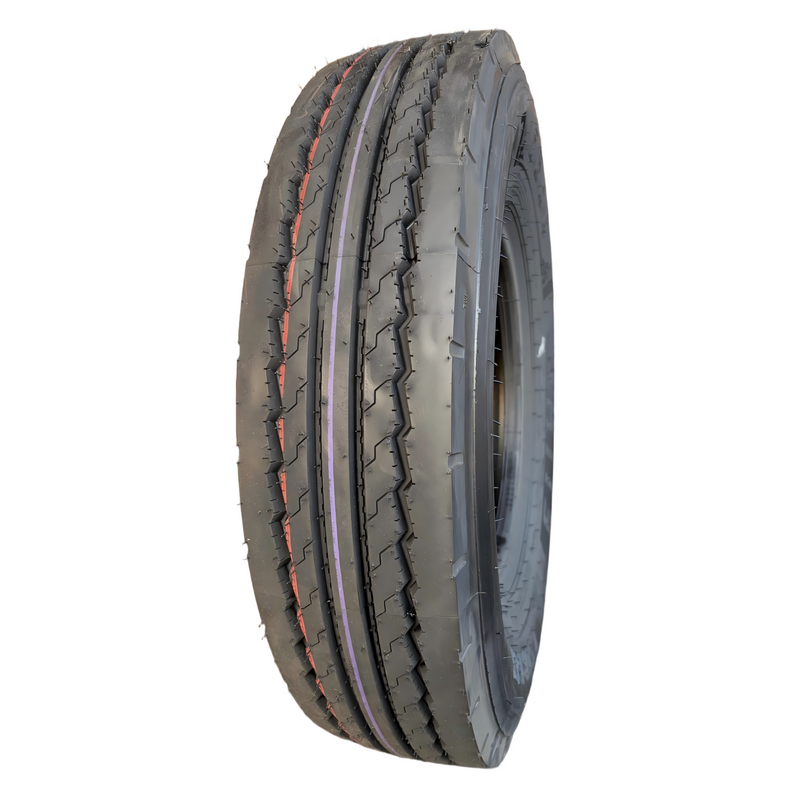
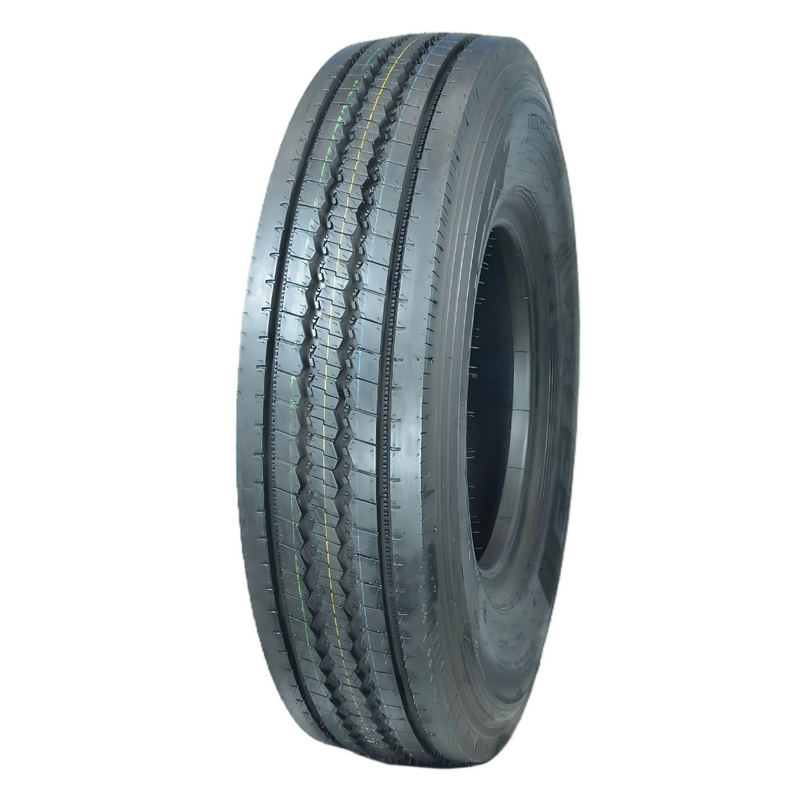
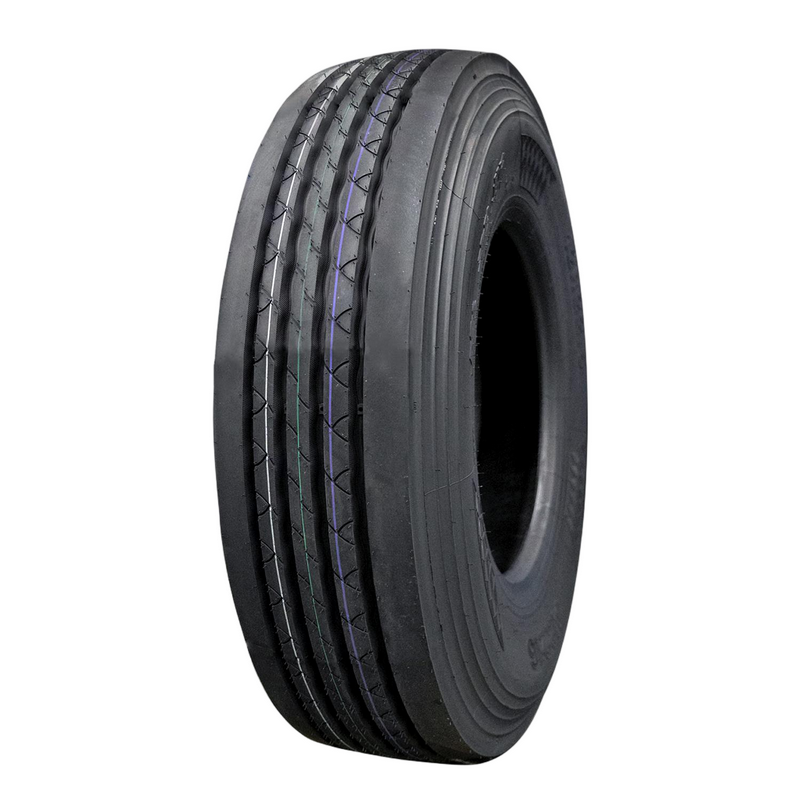
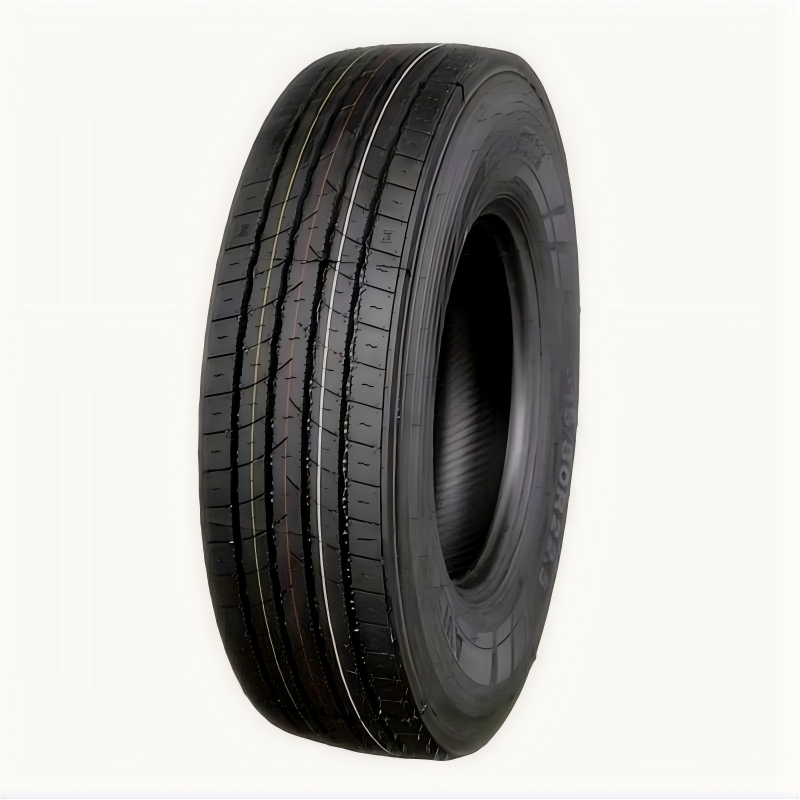
For long-haul operations on paved highways, truck tires must deliver consistent stability at sustained speeds while minimizing rolling resistance. Closed-tread patterns with continuous center ribs enhance directional control and reduce heat buildup—key factors in extending casing life. Low-rolling-resistance compounds are essential for maximizing fuel economy; even small reductions in rolling resistance translate into measurable annual savings across a fleet. Steer-position tires with optimized shoulder designs promote even wear, further improving mileage. Using off-road or all-terrain tires on asphalt accelerates tread degradation and compromises handling—highway-specific tires ensure predictable performance and lower total cost per mile.
Stop-and-go city driving demands responsiveness, reliable wet braking, and driver comfort. Tires engineered for urban use feature multiple siping slots and deep circumferential grooves that rapidly evacuate water—reducing hydroplaning risk during sudden rain showers. Open-shoulder treads help self-clean debris from frequent curb contact, while reinforced sidewalls absorb impacts from potholes and tight turns. Noise control is critical in residential and commercial zones: variable pitch sequences in the tread pattern disrupt sound harmonics, lowering cabin drone without sacrificing traction. These features collectively reduce downtime and support consistent service delivery in dense metropolitan areas.
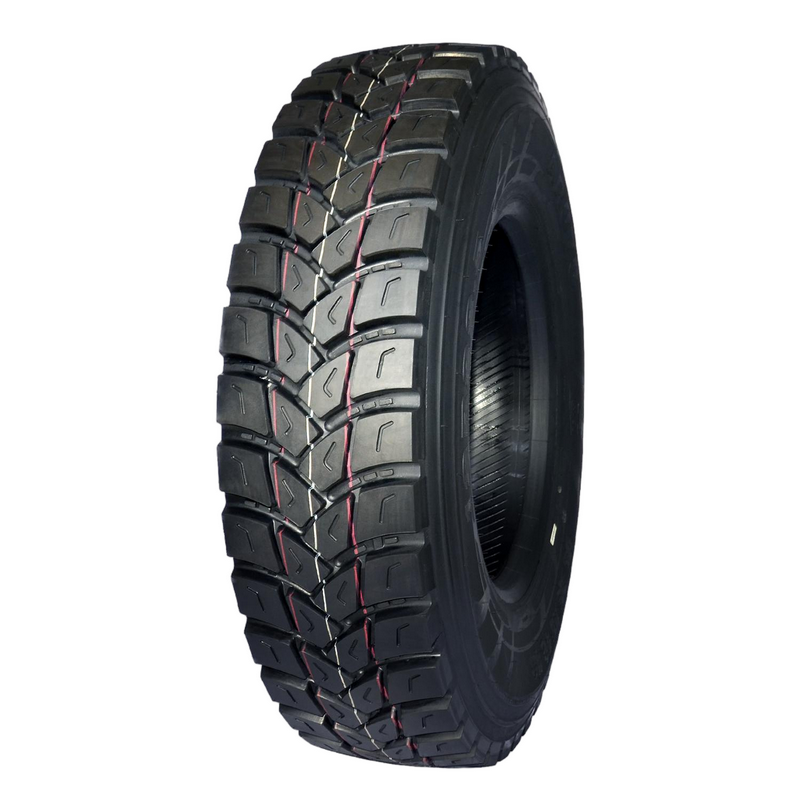
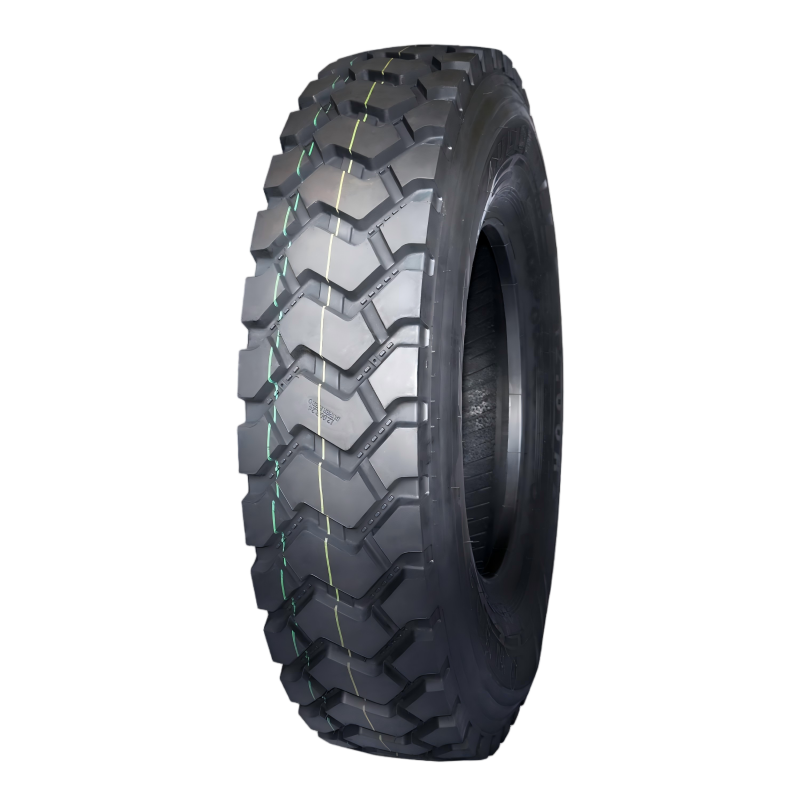
Routes with loose gravel, uneven dirt, or steep mountain passes require tires built for durability and mechanical grip—not just rolling efficiency. Deeper tread depths (often 20/32" or more) and reinforced sidewalls resist cuts and punctures from sharp rocks and abrasive surfaces. Aggressive shoulder lugs provide edge grip on unstable terrain, while wide, self-cleaning grooves eject mud and stones to maintain contact. For mixed-use fleets transitioning between pavement and unpaved roads, hybrid treads—featuring deep lugs combined with added siping—offer balanced performance. Matching load range and ply construction to expected terrain stress prevents premature wear and blowouts, especially under heavy loads on inclines or rough grades.
Below 45°F, all-season rubber compounds stiffen significantly, reducing grip on snow and ice. Dedicated winter truck tires use silica-enhanced compounds that remain flexible in freezing temperatures, preserving elasticity and surface adhesion. Their tread patterns incorporate thousands of micro-sipes—tiny slits that generate biting edges on ice and packed snow. Independent testing confirms these tires can reduce stopping distances by up to 25% compared to all-season equivalents on icy surfaces. Deep, open tread voids also clear snow and slush efficiently, preventing hydroplaning-like loss of contact. For regional delivery fleets or service vehicles operating in northern climates, winter tires are not optional—they’re foundational to safe cornering, braking, and route reliability.
Soft, unstable terrain requires a fundamentally different tire architecture. Mud-terrain truck tires deploy large, widely spaced tread blocks that penetrate mud and sand, then eject debris as the tire rotates—preventing clogging and sustaining traction. Extra-thick sidewall rubber resists punctures from roots, rocks, and hidden obstacles. A proven field tactic—aired-down driving—lowers inflation pressure to increase footprint and allow the carcass to flex over irregular surfaces. At reduced PSI, the tire conforms to contours and wraps around obstacles, maximizing edge grip. While mud-terrain tires increase road noise and reduce fuel efficiency on pavement, their off-road capability remains unmatched in deep muck or shifting sand.
A truck tire’s real-world performance hinges on the intentional engineering of four core tread elements—each serving a distinct functional role. Grooves, the deep circumferential channels, channel water away from the contact patch to prevent hydroplaning and preserve wet-weather braking. Sipes, fine slits cut into tread blocks, multiply biting edges for grip on ice, snow, and slick pavement—enhancing both acceleration and cornering stability. Voids, the open spaces between tread blocks, enable self-cleaning by expelling mud, sand, and gravel—critical for maintaining traction in variable conditions. Finally, lugs (or tread blocks) form the actual footprint: their shape, depth, and stiffness determine steering response, load-bearing capacity, and mechanical grip on loose surfaces. When these elements are calibrated together—as seen in purpose-built highway, urban, winter, or mud-terrain tires—they deliver measurable, mission-specific advantages across diverse operational environments.
Q: Why are low-rolling-resistance compounds important for highway truck tires?
A: They reduce rolling resistance, enhancing fuel efficiency and delivering annual cost savings across fleets.
Q: What features make urban truck tires suitable for city driving?
A: Urban truck tires include multiple siping slots, deep grooves for water evacuation, reinforced sidewalls, and noise control through variable pitch sequences.
Q: When should winter truck tires be used?
A: Winter truck tires should be used when temperatures drop below 45°F to maintain grip and safety on snow and icy road conditions.
Q: How do mud-terrain tires maintain traction in unstable terrains?
A: They employ aggressive lug patterns and lower PSI flexibility, which enable better grip and debris expulsion in mud and sand.
Q: What is the significance of grooves, sipes, voids, and lugs in truck tire design?
A: These elements improve traction, manage debris, and enhance grip across diverse terrain and operational environments.
 Hot News
2025-10-18
2025-10-17
2025-10-15
2025-10-14
2025-10-10
2025-09-22

Qingdao Surpass Rubber Technology Co., Ltd provides advanced tire manufacturing for global markets. Our R&D-driven approach delivers durable, energy-efficient tires with superior grip. 1M+ annual capacity, 50+ countries served.
T1 (QRCB Mansion), NO.6, Qinling Road, Qingdao, China
Copyright © 2025 by Qingdao Surpass Rubber Technology Co., Ltd Privacy Policy
 EN
EN