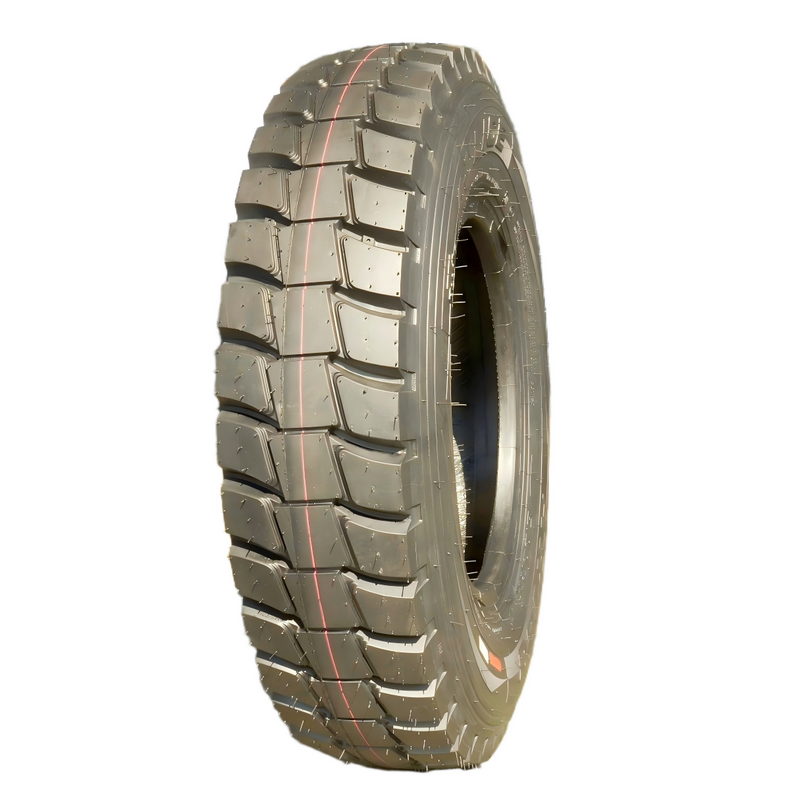
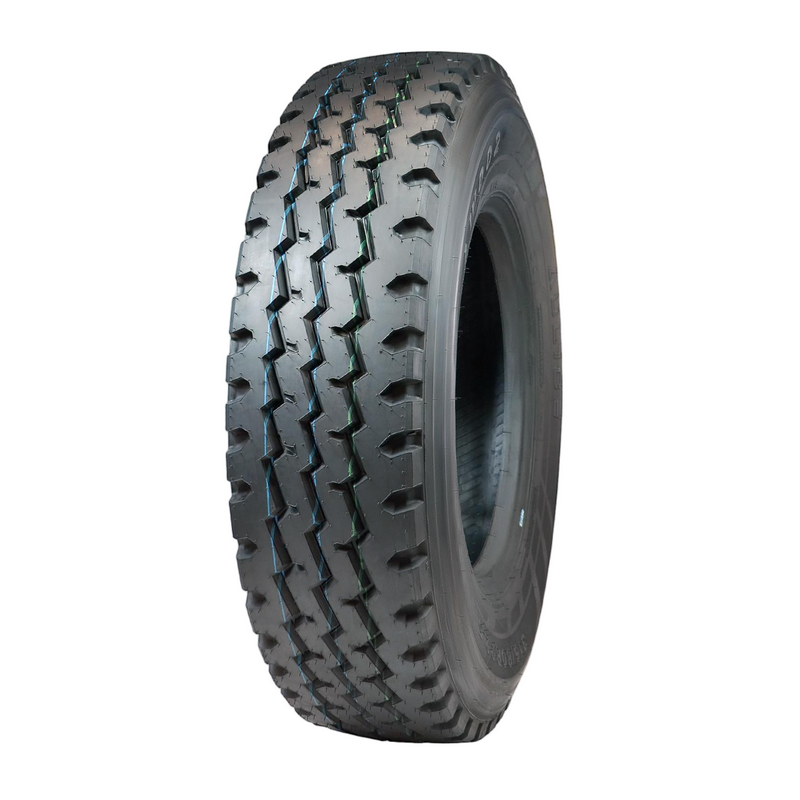
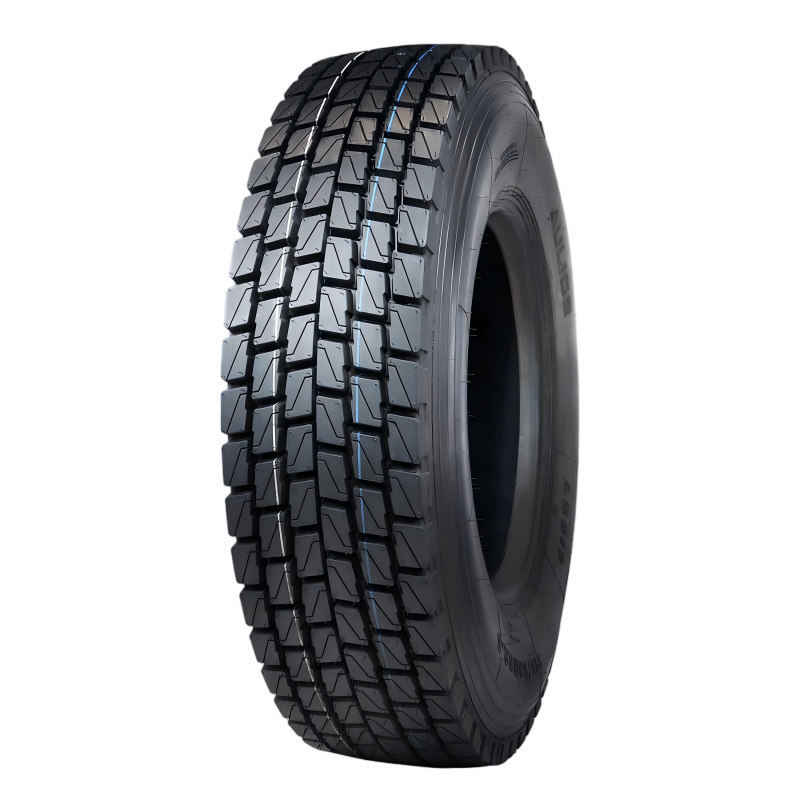
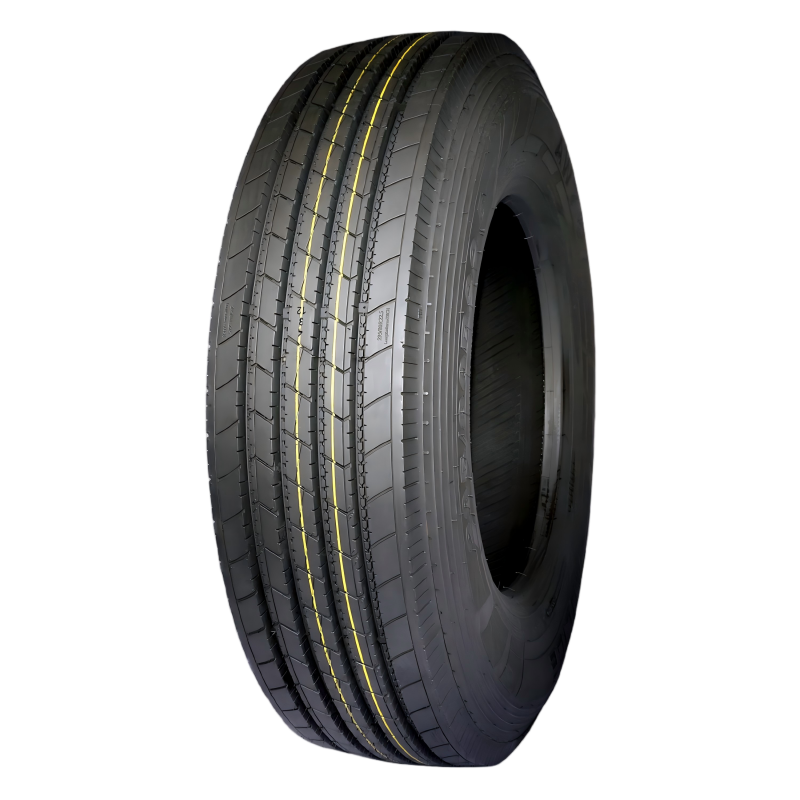
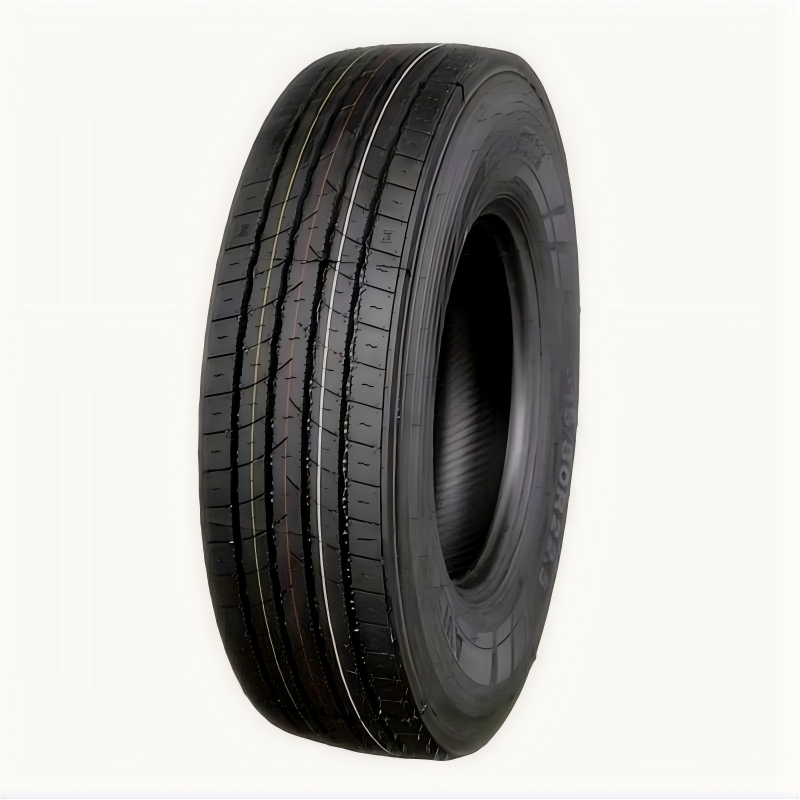
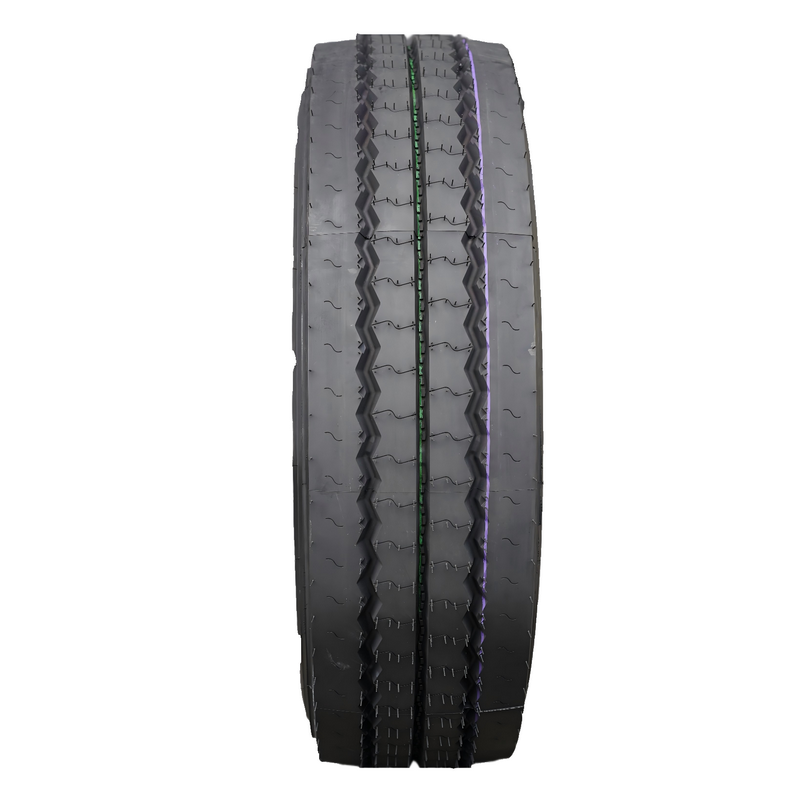
Picking the right tire for your vehicle is all about fit—get it wrong, and you’ll face weird noises, worse fuel efficiency, or even safety risks. The 11r225 tire is a common choice for trucks and commercial vehicles, but it doesn’t work for every ride. Before you buy a 11r225 tire, you need to do a few simple checks to make sure it lines up with your vehicle’s needs. It’s not as complicated as it sounds—just focus on your vehicle’s specs, tire size details, and real-world fit. Let’s break down how to confirm if a 11r225 tire is the right match for your car or truck.
First, Check Your Vehicle’s Official Specs
The easiest way to start is by looking at your vehicle’s user manual or the sticker on the driver’s side door jamb—these have the exact tire sizes your car or truck is designed to use. If the manual lists 11r225 as an option, great—you’re off to a good start. If it doesn’t, don’t rush to buy a 11r225 tire. For example, some trucks are made for smaller tires like 10r225, and forcing a 11r225 tire on them can mess up the speedometer or strain the engine. You can also check the manufacturer’s website if you lost the manual—most brands post tire specs online. Remember, the 11r225 tire is wider and taller than some smaller sizes, so your vehicle needs to have the space and power to handle it. Don’t skip this step—your vehicle’s official specs are the most reliable guide for whether a 11r225 tire will fit.
Verify Key Size Parameters of the 11r225 Tire
Not all tires are labeled the same, so you need to decode the 11r225 tire’s size to make sure it matches your vehicle’s requirements. Let’s break down what “11r225” means: the “11” is the tire’s width in inches, “r” stands for radial construction (which is standard now), and “225” is the diameter of the wheel it fits, in millimeters. Wait—don’t mix up units! The wheel diameter here is crucial—if your vehicle uses 20-inch wheels, a 11r225 tire (which needs 225mm wheels, about 8.86 inches) won’t fit at all. You also need to check the tire’s load index and speed rating. The 11r225 tire is usually for heavy-duty use, so its load index (how much weight it can carry) should match or exceed what your vehicle needs. For example, if your truck hauls 500kg per tire, make sure the 11r225 tire’s load index covers that. Speed rating matters too—if you drive on highways, the 11r225 tire’s speed rating should be high enough for your usual speed. Getting these parameters right keeps the 11r225 tire safe and effective.
Check the Clearance Between Tire and Vehicle Body
Even if the 11r225 tire’s specs match on paper, you need to make sure it has enough space on your vehicle. Clearance means the gap between the tire and parts like the wheel arch, suspension, and brakes. To check this, you can measure the space with the original tire first—then compare it to the 11r225 tire’s size. The 11r225 tire is wider than smaller tires, so it needs more room on the sides. For example, if your original tire leaves 2 inches of space from the wheel arch, the 11r225 tire (which is 1 inch wider) should still leave 1.5 inches—enough to avoid rubbing when you turn or hit a bump. You can also do a test fit if the shop allows it: put the 11r225 tire on the wheel and turn the steering wheel all the way left and right. If you hear rubbing or see marks, the 11r225 tire is too big. Clearance issues don’t just damage the tire—they can break suspension parts too, so this check is a must.
Test the Vehicle’s Performance After a Trial Fit
If the 11r225 tire passes the spec and clearance checks, a short test drive will help you confirm the fit. Pay attention to how the vehicle feels: does the steering feel heavy? Is there a new vibration at high speed? These could mean the 11r225 tire is throwing off the vehicle’s balance. Also, check the speedometer—if the 11r225 tire is taller than the original, your speedometer might read slower than your actual speed (which can get you a ticket!). For example, if your original tire made the speedometer accurate at 100km/h, the 11r225 tire might make it show 95km/h when you’re actually going 100km/h. You should also test braking—does the vehicle stop as smoothly as before? The 11r225 tire’s wider surface might improve grip, but if it’s too heavy, braking could feel slower. A test drive lets you spot issues the specs don’t show, making sure the 11r225 tire works well in real driving.
Consult Professionals or Use Online Tools
If you’re still unsure, don’t guess—ask a professional mechanic or tire shop. They can look at your vehicle and the 11r225 tire, and tell you if it’s a good fit. Many shops also have tools that compare tire sizes, so they can show you exactly how the 11r225 tire will fit compared to your original. You can also use online tire size calculators—just enter your original tire size and the 11r225 tire’s size, and they’ll show you differences in diameter, width, and speedometer error. For example, a calculator might tell you the 11r225 tire is 3% taller than your original, which is a small enough difference to fit. But if it’s 10% taller, you’ll have problems. Professionals and tools take the guesswork out of checking if the 11r225 tire fits, so you can buy with confidence.
 Hot News
 EN
EN