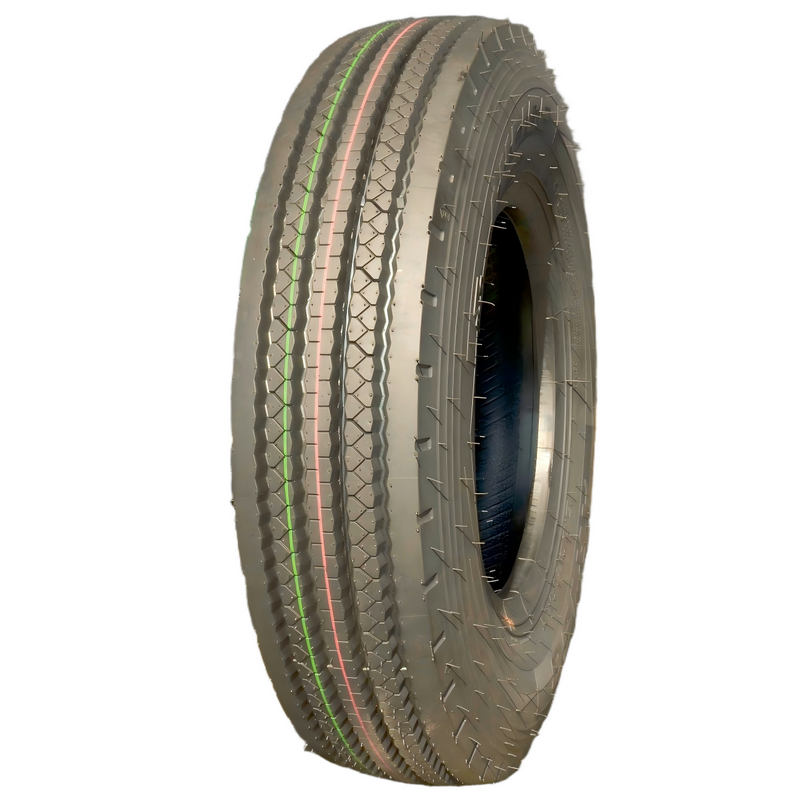
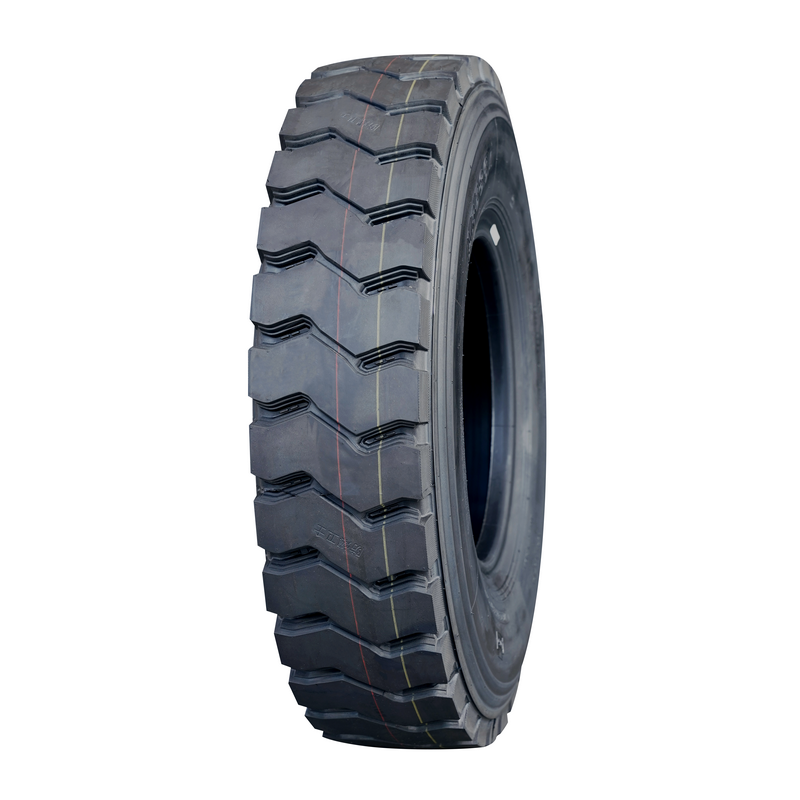
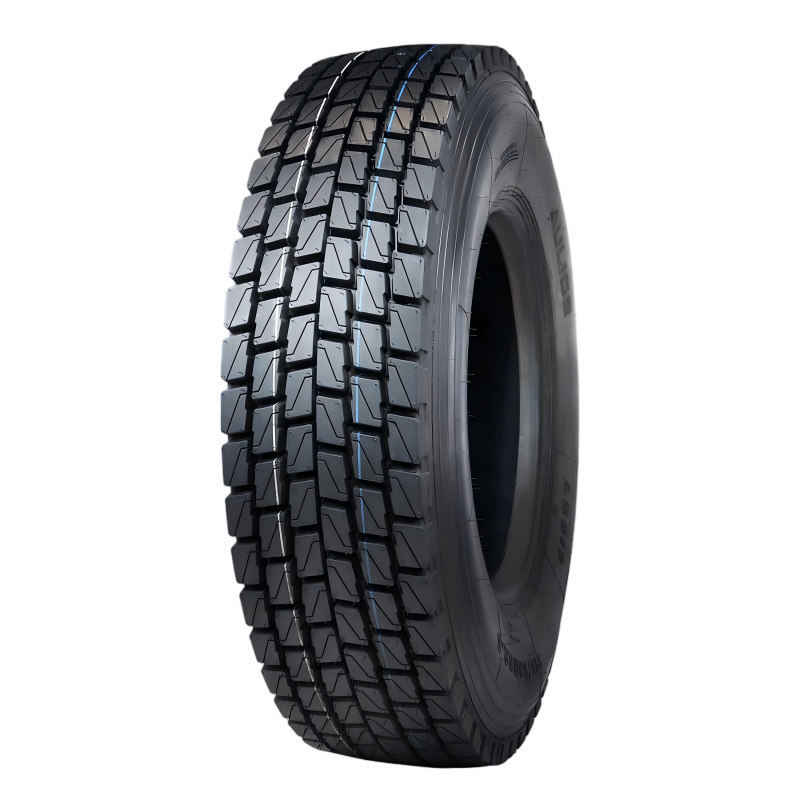
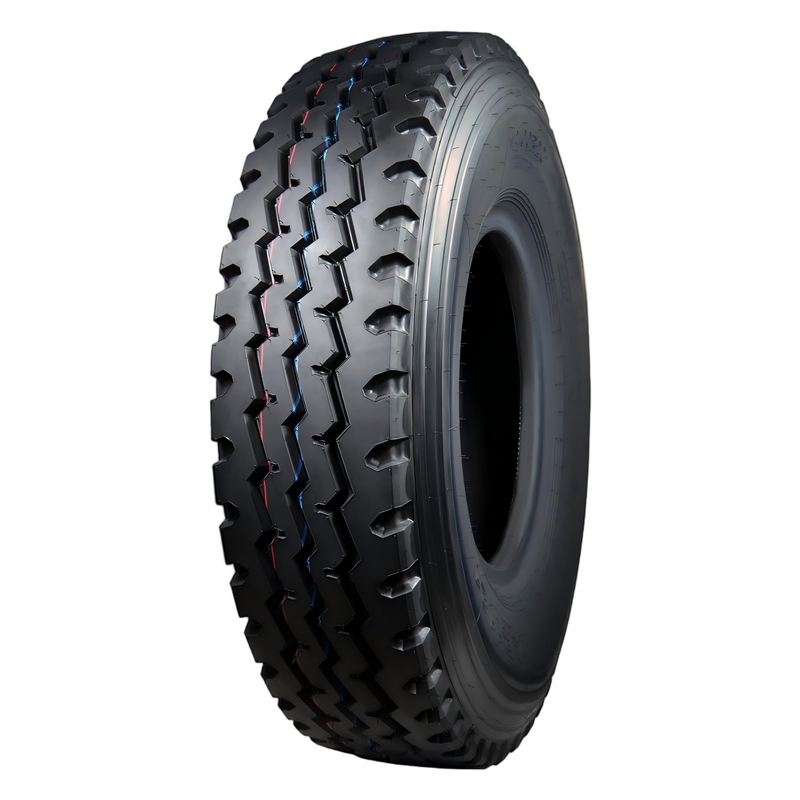
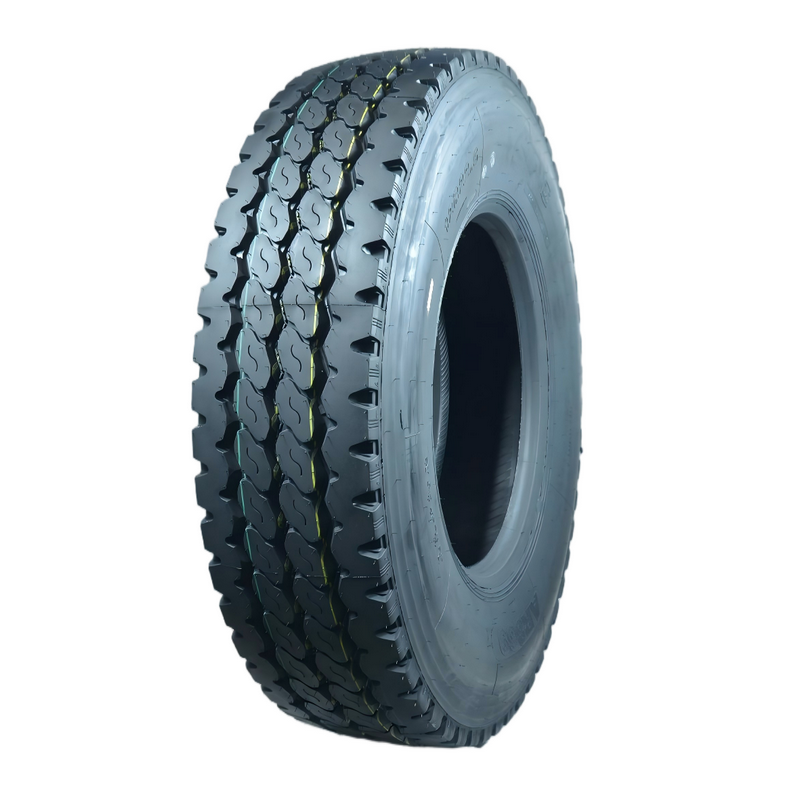
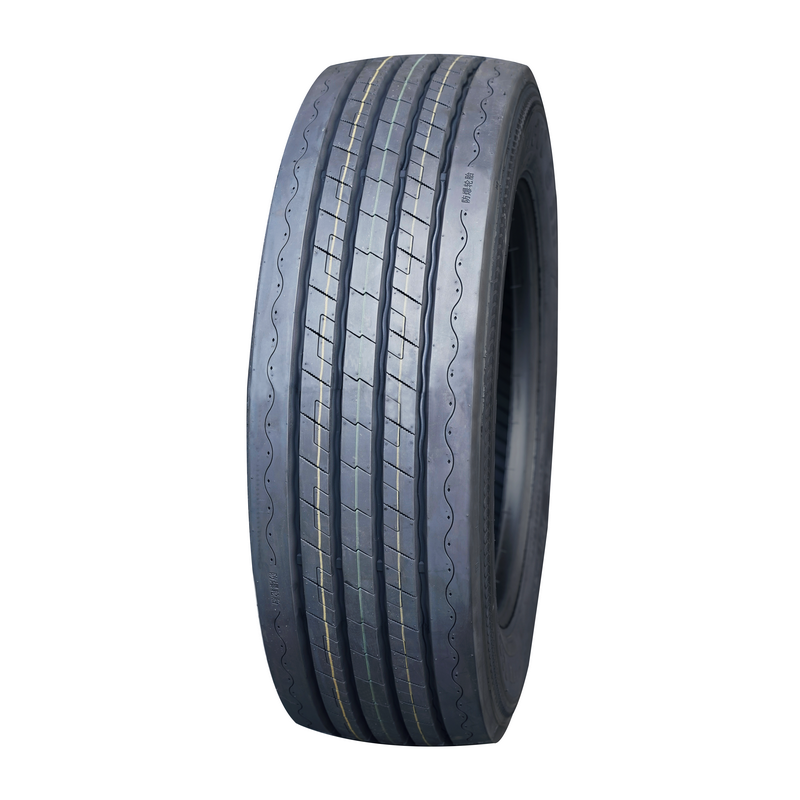
Long-haul transport relies heavily on reliable commercial tire—after all, these tires keep your truck moving for thousands of miles, through different climates and road conditions. Pick the wrong commercial tire, and you’ll end up with frequent replacements, higher fuel costs, and even safety risks. But choose the right one, and it’ll save you time, money, and headaches. The key is to focus on what matters most for long trips: durability, fuel efficiency, safety, and how well it fits your truck’s needs. Let’s break down the practical steps to find the perfect commercial tire for your long-haul journeys.
Prioritize Durability and Long Tread Life
For long-haul transport, a commercial tire’s durability isn’t just a nice-to-have—it’s a must. You don’t want to be stuck changing tires halfway across the country, so look for a commercial tire built to last. Start with the tread: a deep, well-designed tread pattern resists wear from constant highway driving. Brands like Sailstone use internationally advanced rubber materials in their commercial tire, which boost wear resistance—some models can handle 400,000 kilometers or more. Also, check the tire’s structure: strong belts and a reinforced sidewall help the commercial tire stand up to heavy loads and minor road bumps without damage. For example, Sailstone’s commercial tire line is engineered with durable layers that prevent premature cracking or bulging. Don’t just take the brand’s word for it—look for user reviews or fleet testimonials about how long the commercial tire actually lasts. A durable commercial tire means fewer stops for replacements and lower long-term costs.
Focus on Fuel Efficiency to Cut Operating Costs
Long-haul trucks burn a lot of fuel, and your commercial tire plays a big role in how much. A commercial tire with high rolling resistance forces the engine to work harder, guzzling more gas. But a fuel-efficient commercial tire can slice your fuel bills by 5-10%—that adds up fast on cross-country trips. How to spot one? Look for a commercial tire with a low rolling resistance design: smooth, continuous tread patterns (instead of blocky ones) reduce friction with the road. Sailstone’s commercial tire uses energy-efficient materials that minimize resistance, helping trucks save fuel without losing grip. Also, check the tire’s weight—lighter commercial tire put less strain on the engine, further boosting efficiency. Remember, fuel costs are one of the biggest expenses for long-haul transport, so investing in a fuel-efficient commercial tire is a smart way to keep more money in your pocket.
Check Safety Features for All Road and Weather Conditions
Safety should never be compromised, especially when you’re driving long hours. A good commercial tire needs strong grip, both on dry highways and wet or slippery roads. Look for a commercial tire with excellent wet traction—deep tread grooves that channel water away, preventing hydroplaning. Sailstone’s commercial tire is tested for wet performance, ensuring it stays stable even in rain. Also, consider heat resistance: long-haul driving makes tires hot, and overheating leads to blowouts. A quality commercial tire has a heat-dissipating structure—like Sailstone’s designs that use special rubber to keep temperatures low. Another safety check: load capacity. Make sure the commercial tire’s load index matches your truck’s maximum weight. If you’re hauling heavy cargo, a commercial tire with a high load rating (like those from Sailstone’s heavy-duty line) will handle the weight without stretching or breaking. Safety features like these don’t just protect you—they keep your cargo on schedule too.
Match the Commercial Tire to Your Truck and Usage
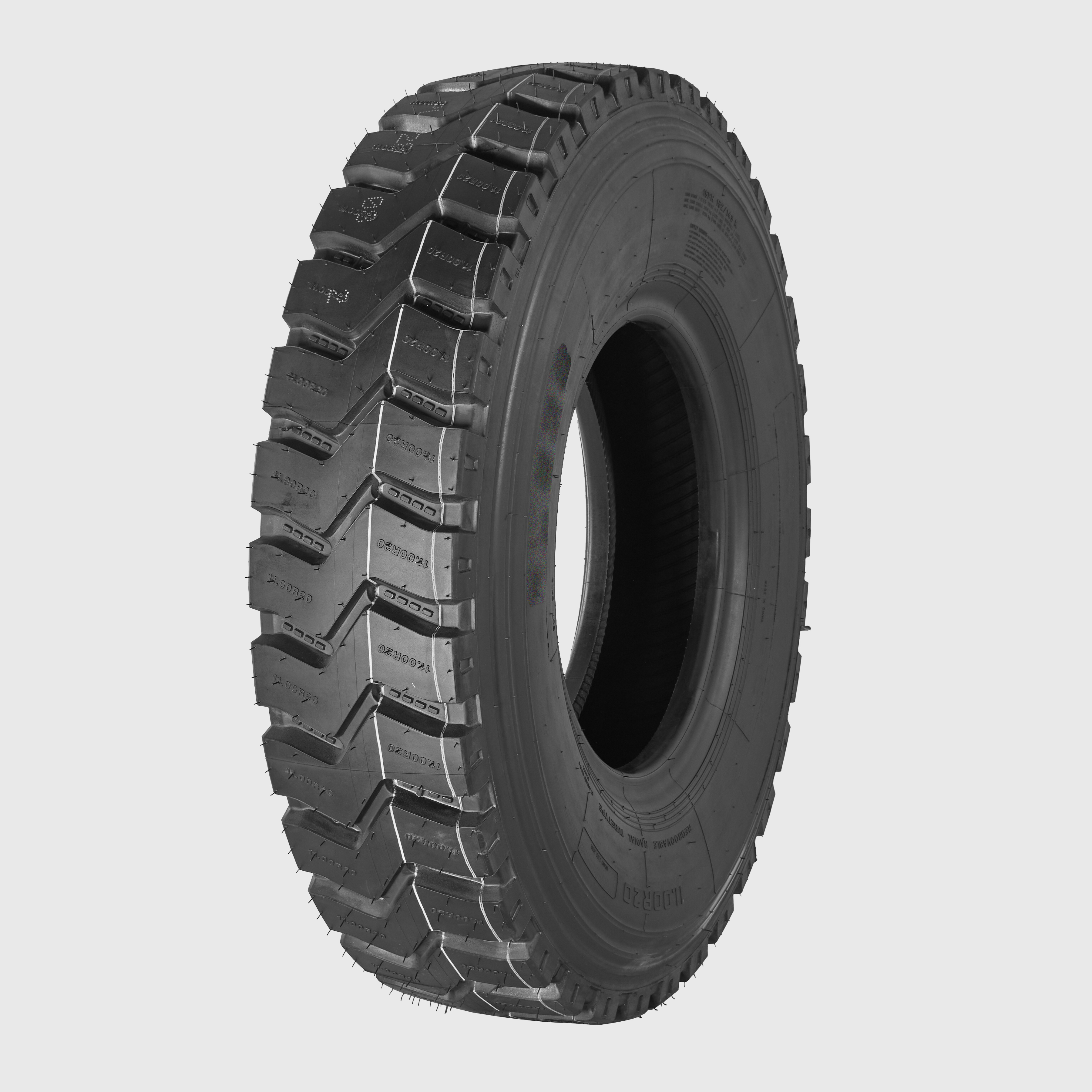
One size doesn’t fit all when it comes to commercial tire. First, check your truck’s specifications: the tire size (width, diameter) must match the wheels. Using the wrong size commercial tire throws off handling and increases wear. For example, a truck that needs 295/75R22.5 tires can’t use a smaller size— it’ll strain the engine and damage the wheels. Next, think about your typical routes: if you drive mostly highways, a commercial tire designed for smooth roads (with a quiet, low-resistance tread) is best. If you sometimes hit rough country roads, go for a commercial tire with a more rugged tread and reinforced sidewalls. Sailstone offers commercial tire for different scenarios, from highway-focused models to those that handle light off-road use. Also, consider the tire’s position: steer tires need precise handling, drive tires need strong traction, and trailer tires need durability. Make sure you pick the right type of commercial tire for each wheel position—mixing them up leads to uneven wear and poor performance.
Choose a Brand with Reliable After Sales Support
Even the best commercial tire might need help down the line—like repairs, replacements, or technical advice. That’s why you should pick a brand that offers solid after-sales support. Look for a company with a wide network of service centers, so you can get help no matter where your long-haul trip takes you. Sailstone, for example, provides comprehensive after-sales services for their commercial tire, including on-road assistance and warranty coverage. A good warranty is key too—many quality commercial tire come with 3-5 year warranties that cover defects or premature wear. Also, check if the brand offers fleet support: if you have multiple trucks, bulk discounts or maintenance plans can save you even more. Don’t overlook this step—reliable after-sales support means you won’t be left stranded with a faulty commercial tire, keeping your long-haul transport running smoothly.
 Hot News
 EN
EN