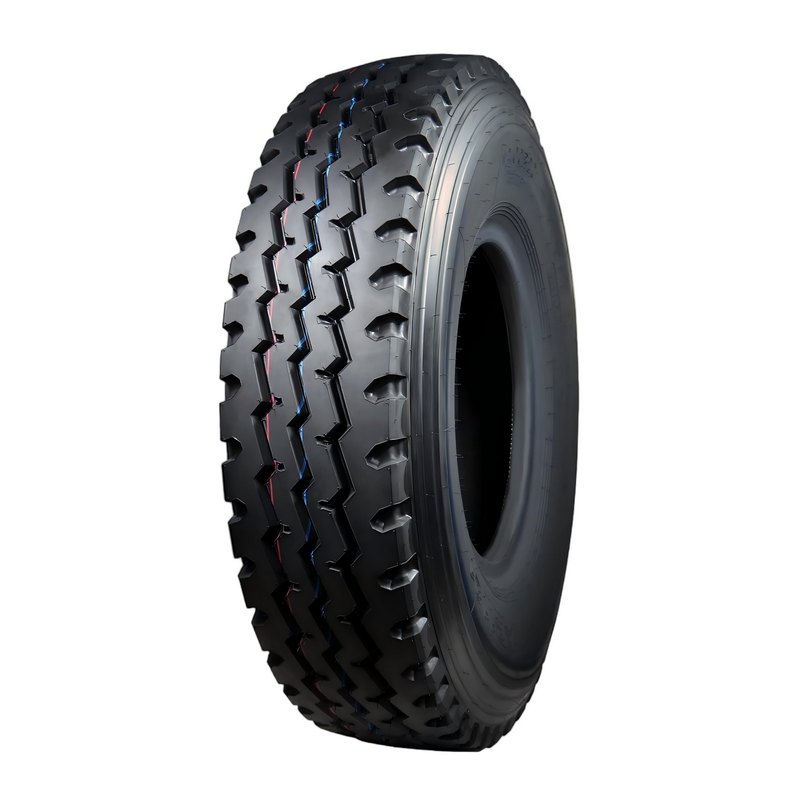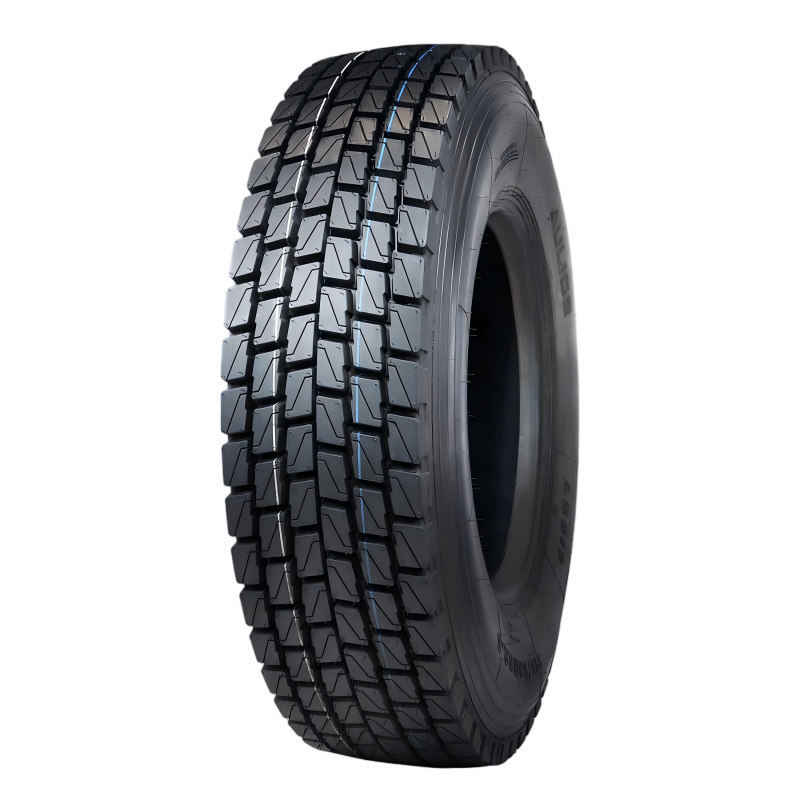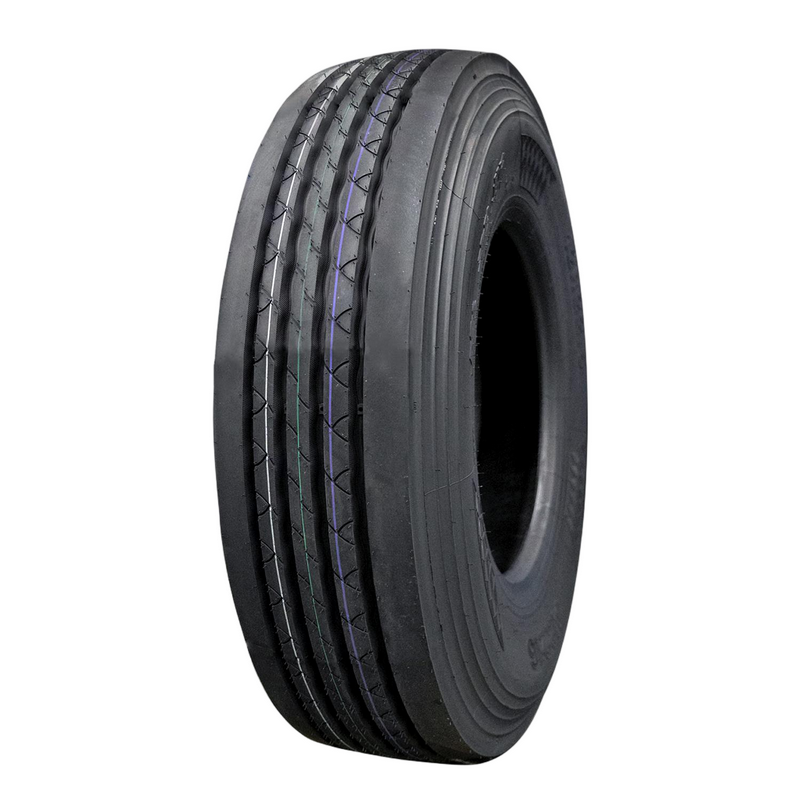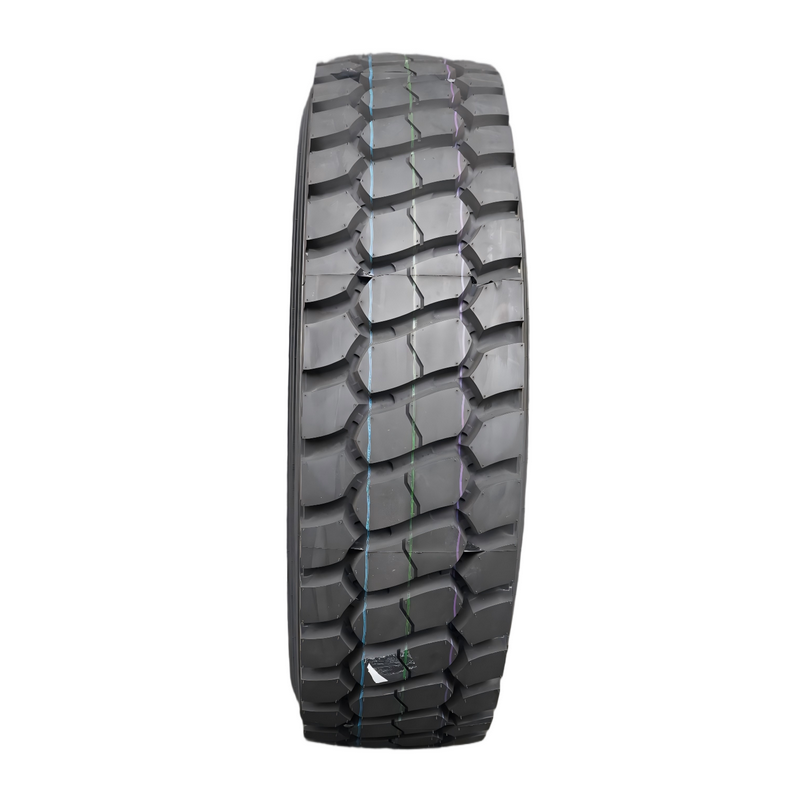
One of the best things about getting a new tire is the way they drive. The grip, the smoothing riding, and of course, the safety that comes with new, reliable rubber tires. New tires also come with some restrictions, however. New tires will need to be 'broken in' before they can safely handle the weight of a full vehicle. Many people make the mistake of taking their brand new tires on long, heavy loads before they have the chance to break in, and it can be dangerous. For the safety of you and everyone you drive with, as well as the investment you made in new tires, it's best to take it slow and light for the first couple drives.
A brand new tire needs to be given time to adapt before it can be put under stress. Right from the factory, a brand new tire isn’t ready to take on full loads—its materials are still stiff. Layers of rubber, belts, and adhesives are used during tire production and are bonded together. When a brand new tire is first installed, these materials still have resistant to flex, stretch, and settle into their intended shape. It is important to avoid overloading a brand new tire. Stretching the rubber beyond its limits can cause the bonds between the layers to weaken. For example, if, before a break in period is completed, you load a brand new tire with construction materials, the pressure can create gaps between the rubber and the reinforcing belts. Once these gaps are formed, over time they can cause a bulge or a separation from the other layers. This is unsafe and can be dangerous to drive on. To avoid this, a brand new tire should have a break in period of 500 to 1000 miles with light loads. This will ensure the materials settle and bonded together will be able to function reliably.
Overloading tires damages their structural integrity too early
Tires are built to take on certain amounts of weight, and a tire that has never been used is at its most vulnerable stage. New tires always have stiff sidewalls that have never been flexed, and so when a tire is used at low speeds or over bumps, and it is overloaded, the sidewalls are pushed to bend more than they are supposed to. This constant stress at the sidewalls can damages its sidewall fibers which can lead to cracks and bulges that are not always visible. The tread of a new tire is thicker and is less flexible than that of worn tire. Additionally, when new tires are overloaded, and heavy loads are applying pressure on it, the tread is pressed unevenly to the road which creates premature and irregular tire wear. For example, on an overloaded SUV, a new tire can wear down more on the outer edges which causes it to lose grip and it becomes a hazard for the car to lose traction on wet surfaces. Compromised structural integrity is irreversible, and once it occurs, the new tire has to be replaced too quickly, which wastes money and creates the risk of a blowout tire.
Causes uneven tread wear and shortens tire lifespan
New tires greatly improve traction thanks to their fresh, even tread. However, putting heavy loads on new tires too quickly will ruin this evenness. Heavily loaded vehicles cause new tires tread to contact the road unevenly. New tires on loaded vehicles, such as pickups, can have their center tread worn down in just a few thousand miles, while the edges remain thick. Not only does this wear down the tires life (30-50% sooner replacements), but their performance will also suffer. Vehicle performance will be impacted as the new tires will have uneven tread, resulting in decreased grip on roads, increased braking distances, and a bumpier ride. Gradually increasing loads during the break in period allows the tire tread to wear down evenly and to be as safe as possible.
Safety should always be the number one goal. Overweighting a brand new tire creates a risk of severe incidents. When a brand new tire is overweight, that tire's overall heat is likely to increase in an unsafe way. As the rubber begins to heat up, the risk of blowout substantially increases. Picture this: You’re driving at high speeds and the tire is at an unsafe weight, the heat of the rubber on the tread and the side of the tire generates extreme temperatures, at some point the tire is going to burst and it will be hard to steer the car. Even with the risk of a blowout, overloading a new tire makes it more difficult to grip the road, which can lessen in an unsafe way the ability to perform evasive turns and stops. This is especially a high risk in the rain and snow. Allowing a new tire to be over inflated provides a serious risk of blowouts and poor steer-ability. This provides the driver with a safer feeling of control which makes a driver more reckless. Keeping the tire at a correct weight during use will lower the risk of everything stated above.
Impaired performance and warranty voided
New tires perform optimally by providing a smooth ride and good gas mileage. Early on, overloading a new tire will negatively affect the performance and qualities a new tire should offer. Materials will become stiffer and uneven wear will make the ride more bumpy. Increased rolling resistance will also make the vehicle more gas inefficient. To make matters worse, an overloading accident can void tire warranties that cover damage. Manufacturers always set weight limits for a new tire, and over a break in period, if a tire fails due to exceeding those limits, a warranty will not cover the failure. For example, a bulging new tire could result in a warranty claim being denied if the failure was due to overloading. New tires will perform best if the break in guidelines are adhered to and will be best optimally used if overloading accidents are avoided.
 Hot News
2025-10-18
2025-10-17
2025-10-15
2025-10-14
2025-10-10
2025-09-22

Qingdao Surpass Rubber Technology Co., Ltd provides advanced tire manufacturing for global markets. Our R&D-driven approach delivers durable, energy-efficient tires with superior grip. 1M+ annual capacity, 50+ countries served.
T1 (QRCB Mansion), NO.6, Qinling Road, Qingdao, China
Copyright © 2025 by Qingdao Surpass Rubber Technology Co., Ltd Privacy Policy
 EN
EN