Why Proper Inflation Defines Trailer Tire Load Performance
I’ve worked with countless logistics fleets and transport businesses over the years, and one of the most overlooked factors for a trailer tire’s load bearing ability is simple inflation pressure. I remember a regional freight company that reached out to us last year, they were dealing with constant trailer tire damage and uneven wear on their long haul routes, even though they were using high quality trailer tire products. Our technical team did a full inspection and found their biggest issue was inconsistent inflation—some trailer tire units were overinflated, others underinflated, and none were set to the optimal pressure for their typical cargo load. After we trained their team to calibrate trailer tire inflation to our recommended specs, their trailer tire damage rate dropped by 70 percent in just three months. This case says it all, a trailer tire is only as good as its inflation setup when it comes to stable load bearing. Even the most durable trailer tire will fail to perform if inflation is off, because incorrect pressure warps the tire’s contact patch with the road, putting uneven stress on the rubber and structure when carrying heavy loads. For any business relying on a trailer tire for daily transport, getting inflation right is the first step to unlocking consistent load bearing stability.
How Inflation Impacts Trailer Tire Load Bearing Mechanics
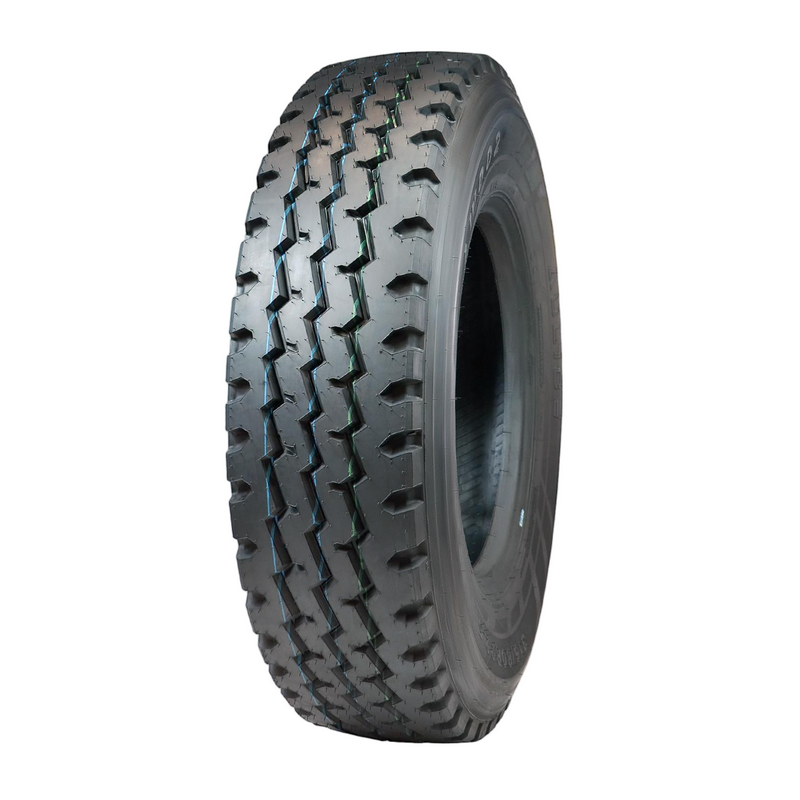
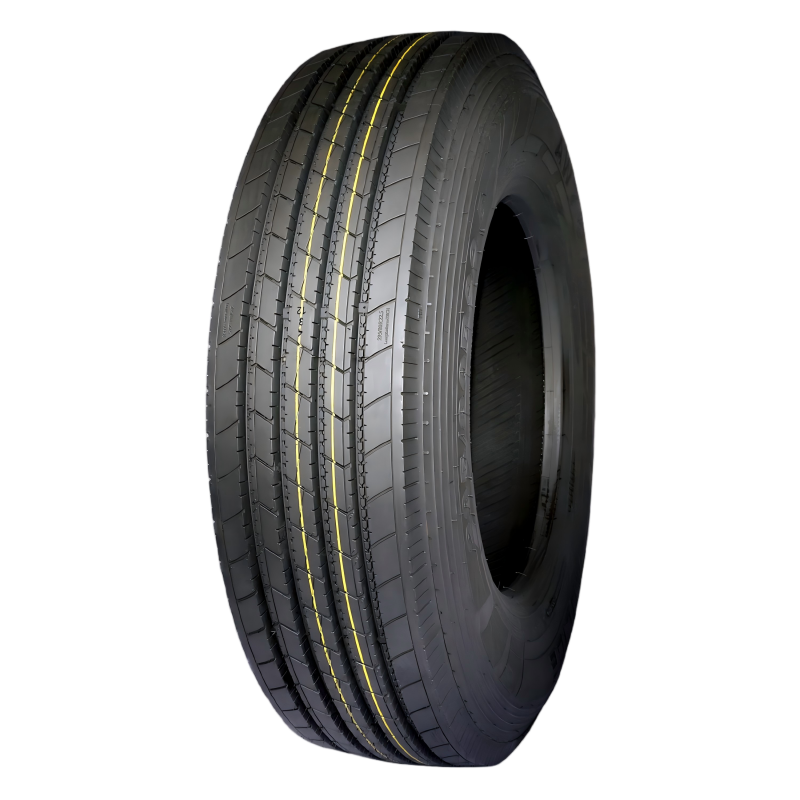
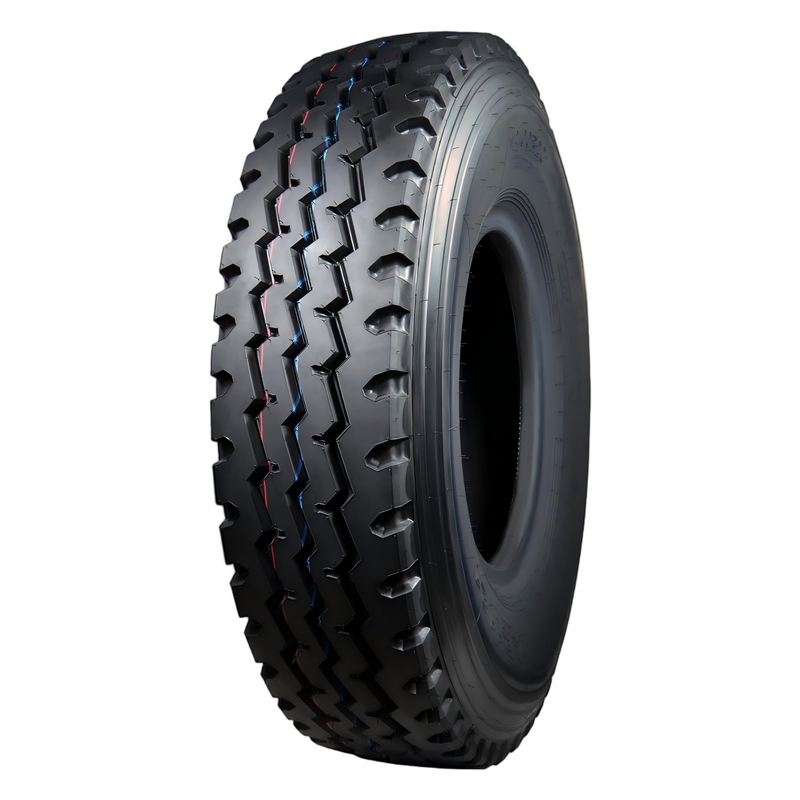
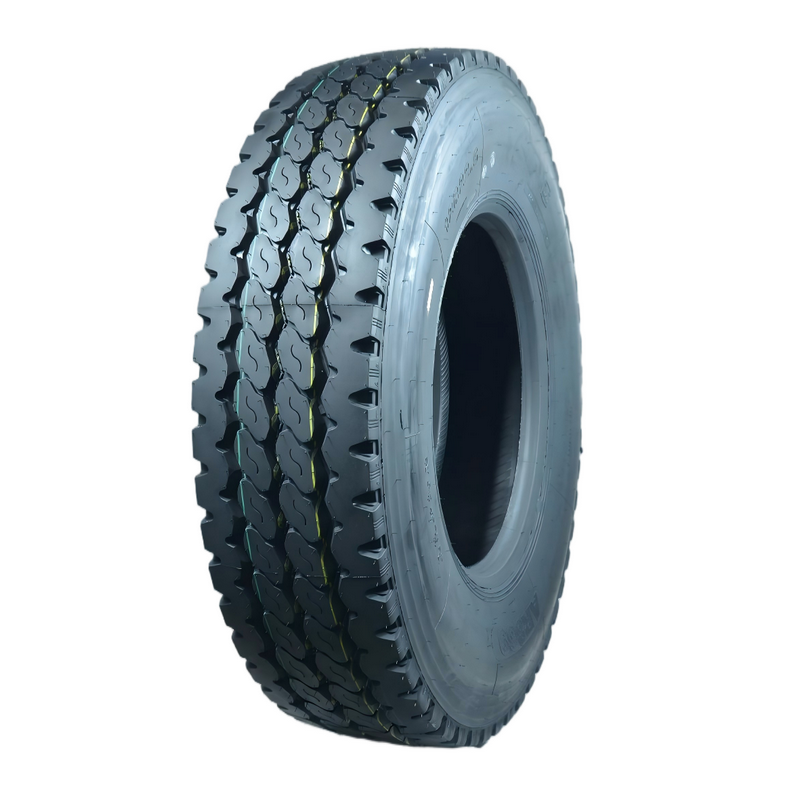
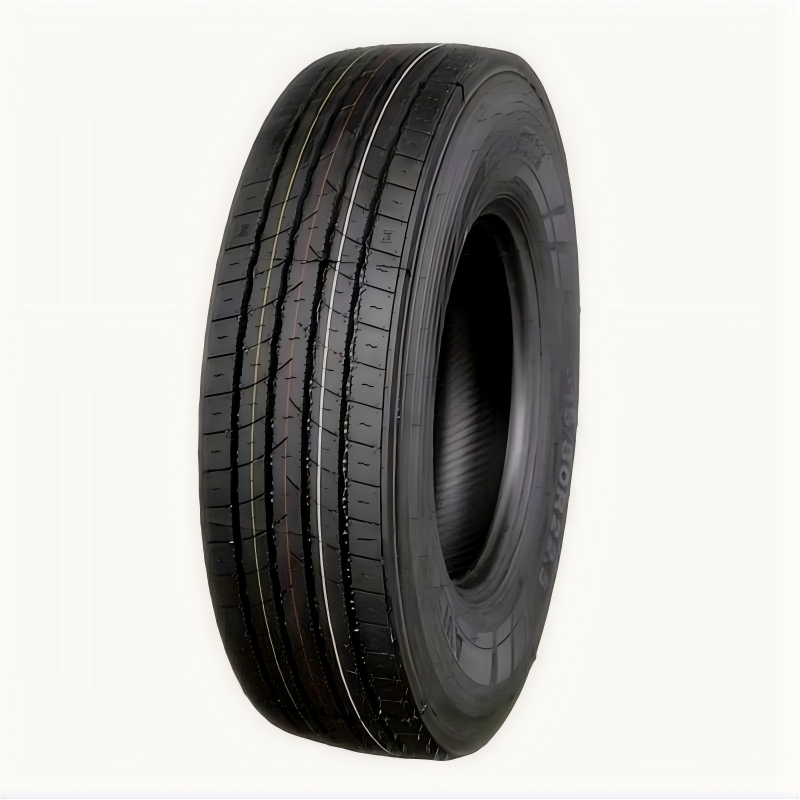
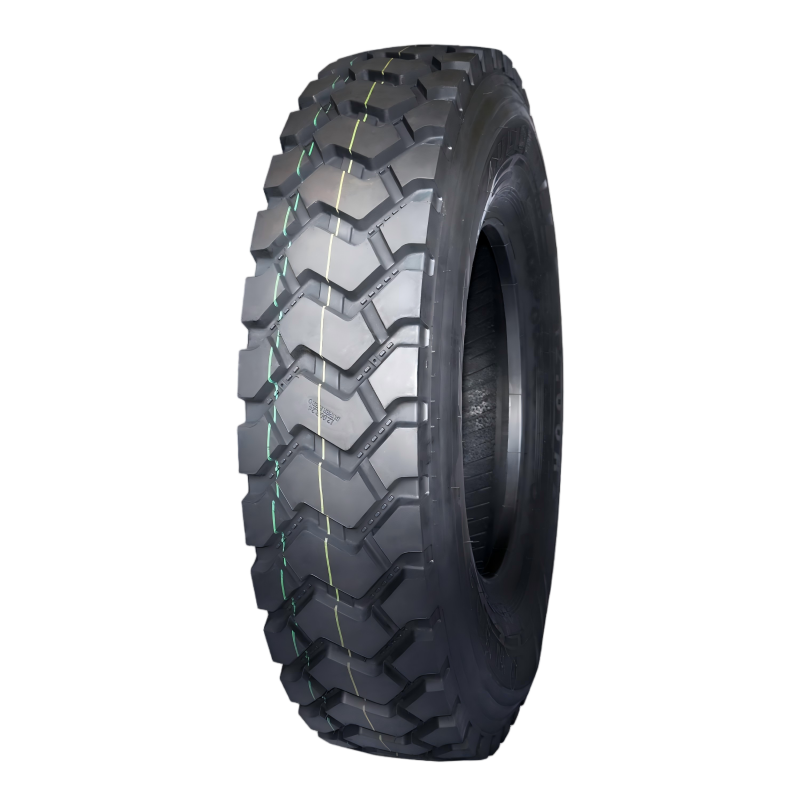
Understanding how inflation affects a trailer tire’s load bearing starts with the basic mechanics of how a trailer tire interacts with the road under weight. When a trailer tire is properly inflated, its tread makes full and even contact with the pavement, distributing the cargo load across the entire tread surface. Underinflation causes the trailer tire’s sidewalls to flex excessively when bearing load, this flexing generates extra heat, weakens the rubber compound and steel cord structure inside the trailer tire, and leads to premature wear or even blowouts. Overinflation, on the other hand, makes the trailer tire’s contact patch too small, concentrating the load on a narrow strip of tread—this quickens tread wear in the center and reduces the trailer tire’s grip, making it less stable when carrying heavy loads. Our R&D team designs every trailer tire with precise load inflation guidelines tailored to its size and construction, these guidelines are based on thousands of hours of testing different load weights and inflation pressures for our trailer tire lines. We engineer each trailer tire to perform at its peak load bearing capacity when inflated to the optimal pressure, ensuring the tire’s internal structure can handle heavy cargo without unnecessary stress or wear.
Expert Guidelines for Trailer Tire Inflation Calibration
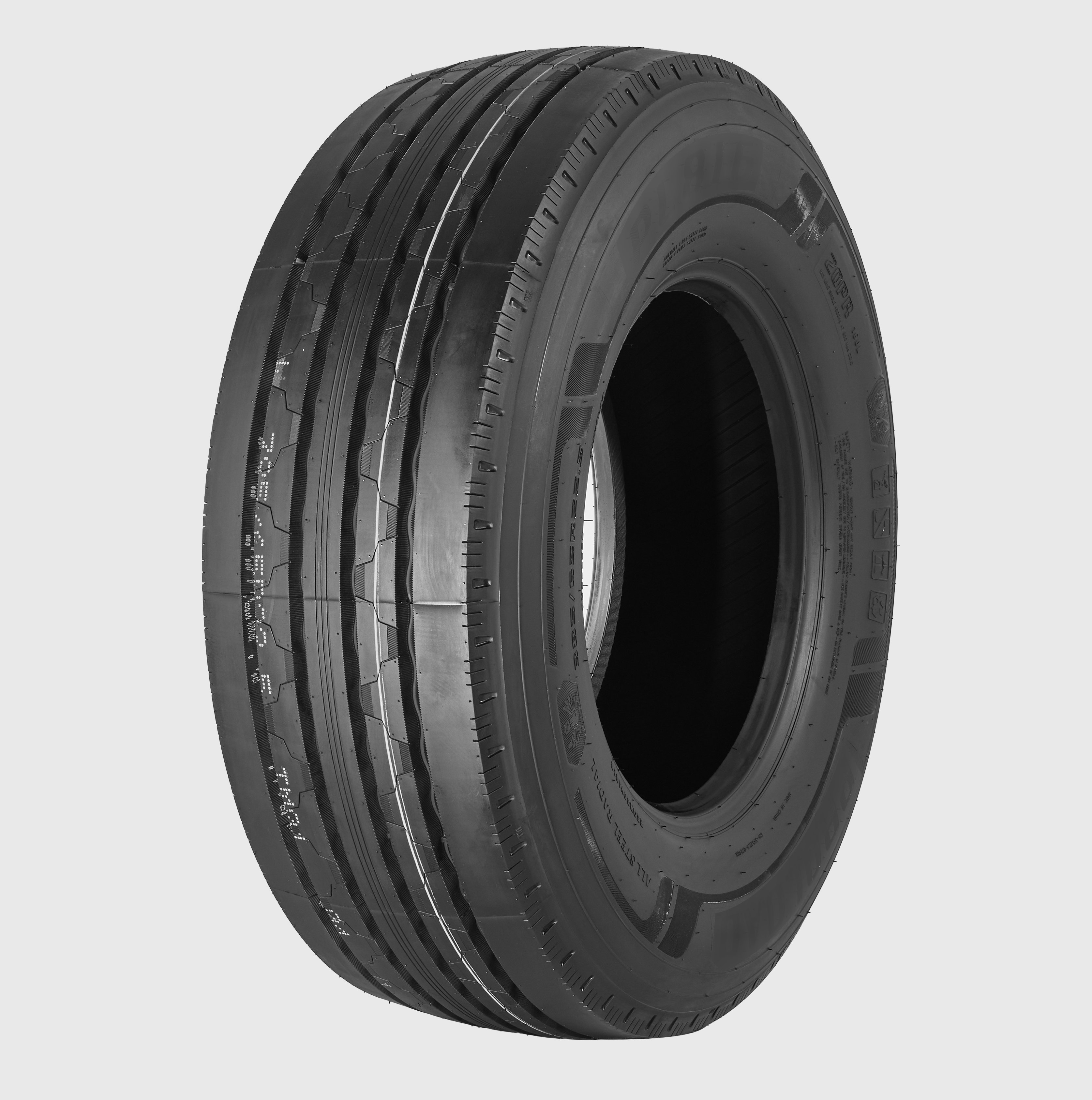
Top tire industry experts and authoritative bodies all emphasize strict inflation standards for a trailer tire used in load bearing applications. The International Tire and Rim Association sets clear global guidelines for trailer tire inflation, stating that every trailer tire has a specific cold inflation pressure that matches its maximum load rating, and this pressure should be checked and adjusted before every trip. A leading tire engineering expert with over 30 years of experience notes that trailer tire inflation should never be guessed at, even a 10 percent deviation from the recommended pressure can cut a trailer tire’s load bearing efficiency by up to 25 percent. Our company takes these expert guidelines a step further for our trailer tire products—we provide a detailed inflation load chart with every batch of trailer tire we ship, customizing the guidelines based on the specific cargo weights our customers typically carry, whether it’s light general freight or heavy industrial loads. We also train our clients on how to check trailer tire pressure correctly, stressing that measurements must be taken when the trailer tire is cold, as driving heats up the tire and skews pressure readings. This level of detail is part of our commitment to making sure every customer gets the most out of their trailer tire’s load bearing capabilities.
Our Trailer Tire Design Supports Optimal Inflation Performance
What makes our trailer tire stand out when it comes to inflation and load bearing is the engineering and material choices that back our product design. We use internationally advanced rubber compounds and high strength steel cord for every trailer tire, materials that maintain their shape and structural integrity even when inflation is kept at the optimal pressure for heavy load bearing. Unlike generic trailer tire products that can lose their form under pressure, our trailer tire features a reinforced sidewall design that minimizes flex when carrying heavy cargo, even if there are minor, unavoidable fluctuations in inflation pressure during long trips. We also calibrate the inner liner of each trailer tire to ensure air retention is superior, meaning the trailer tire holds its optimal inflation pressure for longer periods, reducing the need for frequent checks and adjustments on the road. Every trailer tire we produce undergoes rigorous pressure testing in our factory, where we simulate extreme load conditions to confirm that the tire maintains stable load bearing performance at our recommended inflation levels. This factory testing and premium material selection mean our trailer tire is built to work with proper inflation, not against it, for reliable load bearing every time.
Practical Benefits of Optimized Trailer Tire Inflation for Businesses
For any transport or logistics business, optimizing trailer tire inflation for stable load bearing translates to real, measurable benefits that hit the bottom line. First and foremost, proper inflation extends the service life of our trailer tire products, cutting down on the frequency of tire replacements and lowering overall maintenance costs—our clients report that following our inflation guidelines adds an average of 40 percent more miles to each trailer tire’s usable life. Second, stable load bearing from optimal inflation reduces unplanned downtime, there are fewer blowouts or tire damage related delays on the road, so fleets stay on schedule and meet delivery deadlines consistently. Third, a trailer tire operating at the right inflation pressure has better fuel efficiency, because the even tread contact reduces rolling resistance—this small change adds up to significant fuel savings for fleets with dozens of trailer tire units in operation. As a factory direct manufacturer with over 200 cooperating clients and export coverage to 50 plus countries, we know that every business using our trailer tire values reliability and cost efficiency above all. Our proactive after sales support, including ongoing inflation guidance and tire maintenance training, ensures our customers keep their trailer tire inflation optimized at all times. Choosing our trailer tire means not just getting a high quality product, but getting the expertise and support to make sure it performs at its best for stable load bearing on every trip.
 Hot News
 EN
EN