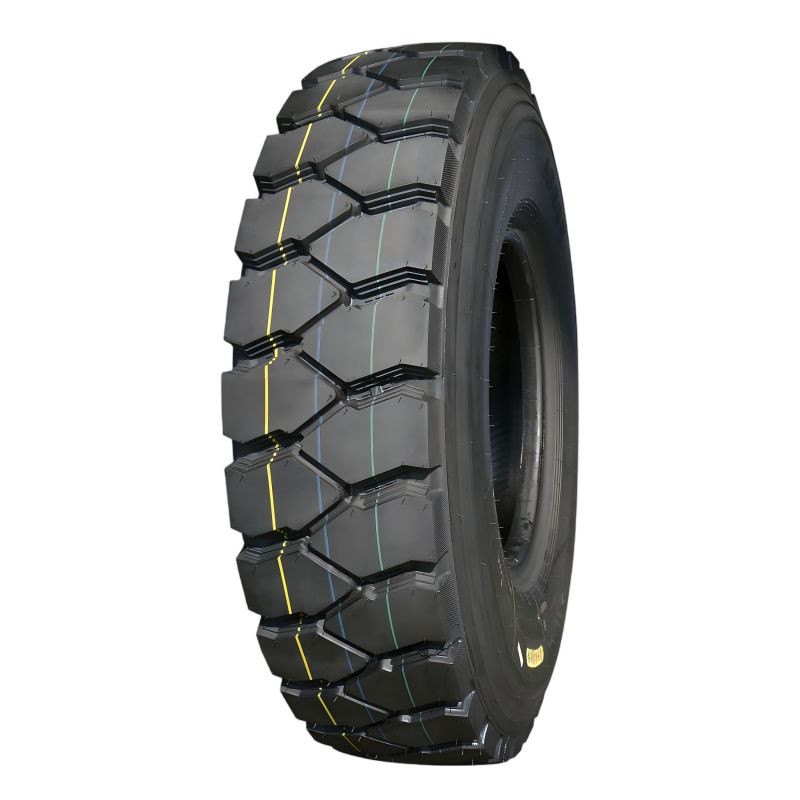
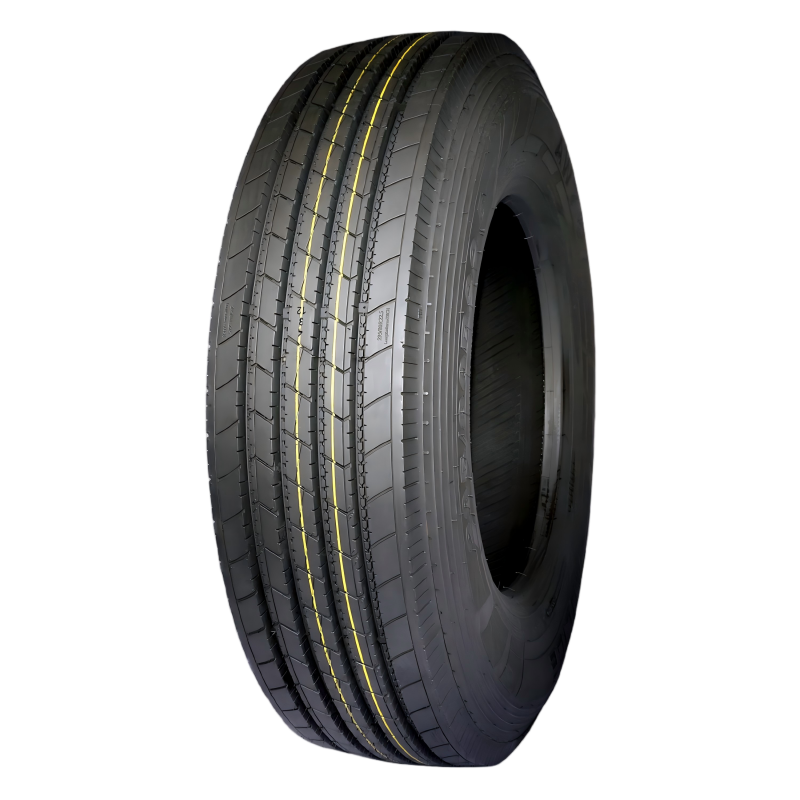
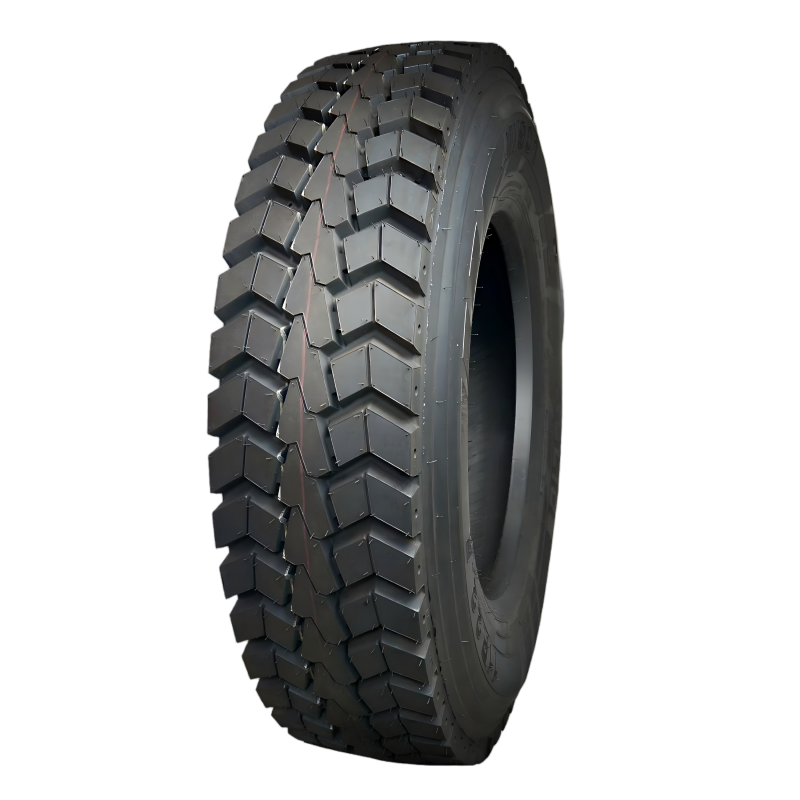
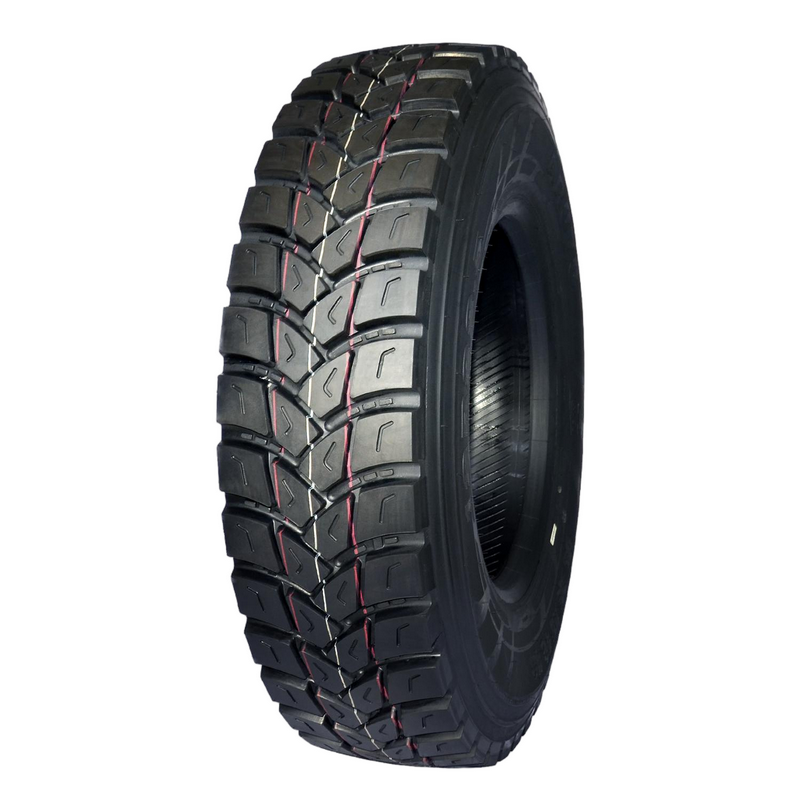
Իմ գործնական փորձը առևտրային անվելների օգտագործման վերաբերյալ տրանսպորտային բեռնափոխադրումների կառավարման մեջ
Մի քանի տարի առաջ ես վարում էի և սպասարկում մի տարածաշրջանային տրանսպորտային բեռնափոխադրման մեքենաների պահեստը, որոնք ամենօրյա հիմունքներով շարժվում էին միջքաղաքային մայրուղիներով, գյուղական ճանապարհներով և երբեմն՝ շինարարական օբյեկտների մոտակայքում անցնող ճանապարհներով: Ամենամեծ խնդիրը առևտրային անվաლավորումն էր: Մենք դիմանում էինք արագ և անհավասար մաշվածության, հաճախակի կողային ճեղքերի, երկար ճանապարհների ընթացքում տաքացման և անսպասելի պայթյունների, որոնք հանգեցնում էին առաքման հետաձգումների, ճանապարհի վրա վերանորոգման աշխատանքների և սպասարկման ծախսերի կտրուկ աճի: Մենք փորձեցինք մի քանի մատակարար, սակայն բարելավում չստացվեց: Հետագայում, համատեղելով մասնագիտացված անվալավորման ինժեներների և տրանսպորտային պահեստների կառավարման խորհրդատվության հետ, մենք անցանք մի ամուր, մասնագիտական արտադրությամբ ստացված առևտրային անվալավորման, որը նախատեսված էր ծանր բեռնափոխադրման տրանսպորտային մեքենաների համար: Բարելավումը տեղի ունեցավ անմիջապես և ակնհայտ էր: Անվալավորման ծառայության ժամանակը զգալիորեն երկարացավ, անհավասար մաշվածությունը շատ նվազեց, տաքացման և պայթյունների վտանգը կտրուկ նվազեց, իսկ մեր ընդհանուր շահագործման ծախսերը նշանակալիորեն իջան: Այս իրական աշխարհի փորձը ինձ լիովին համոզեց, որ բարձրորակ առևտրային անվալավորման կայուն մատակարարումը անհրաժեշտ է տրանսպորտային և բեռնափոխադրման ոլորտի անվտանգության, արդյունավետության և շահավետության համար:
Փորձագետների վերլուծություն՝ Ինչն է ապահովում առևտրային շաղակարդների մեծ ճկունությունը տրանսպորտային տրամադրման համար
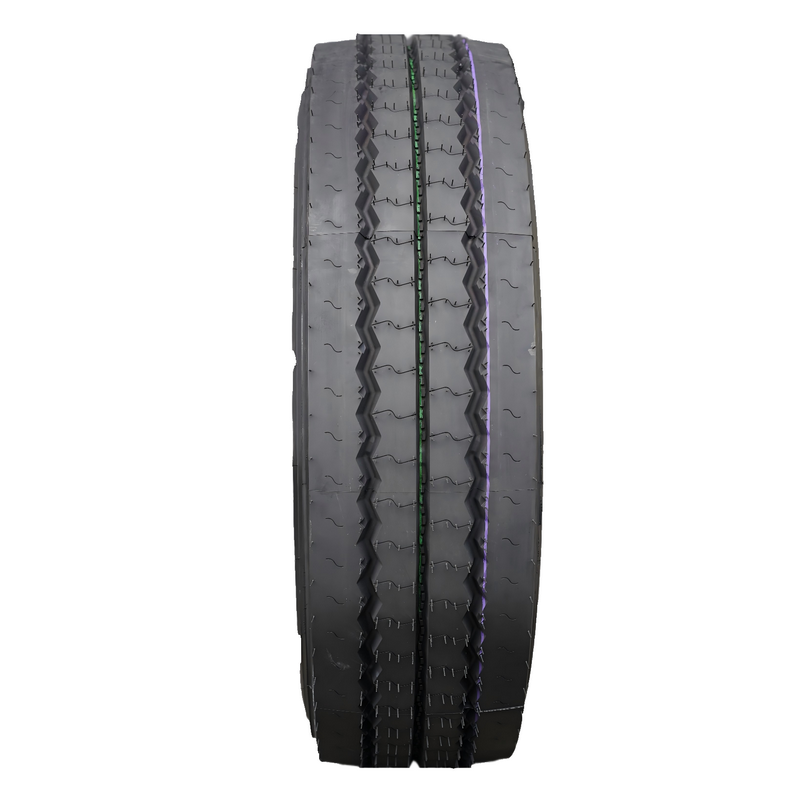
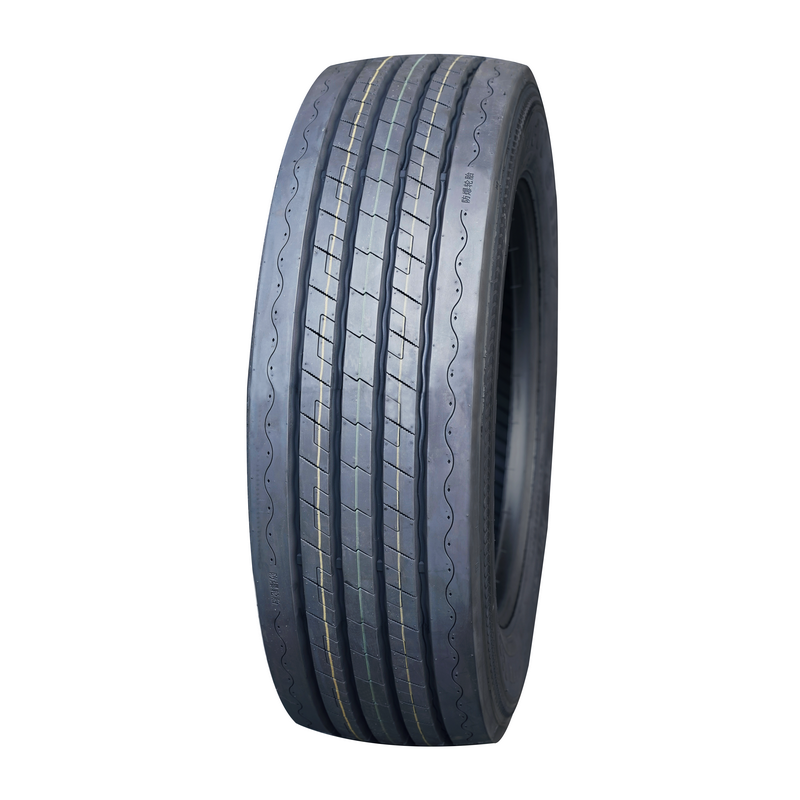
Առևտրային տրանսպորտային մեքենաների և թափանցիկ շարժաբերների մասնագետները համընդհանուր հաստատում են, որ առևտրային շարժաբերների տևականությունը պայմանավորված է օպտիմալ կառուցվածքով, բարձր կատարողականության նյութերով և մասնագիտական արտադրությամբ: Տևական առևտրային շարժաբերները օգտագործում են բարձր ձգման ուժի պողպատե ժապավեններ և ամրացված մարմին՝ ծանր բեռնվածքները առանց չափից շատ դեֆորմացիայի կրելու համար: Շարժաբերնի մակերեսը պատրաստված է մաշվելու դեմ կայուն, ցածր ջերմության առաջացման ռետինե խառնուրդից, որը դիմացկուն է կտրվածքների, ճեղքվածքների և մաշվելու նկատմամբ տարբեր ճանապարհներում: Շարժաբերնի մակերեսի նախագիծը մշակված է ճնշման հավասարաչափ բաշխման, ջրի արդյունավետ դուրս բերման և քարերի միջոցով առաջացած անցքերի դեմ դիմացկունության համար: Շարժաբերնի հիմքը և կողային մասը նախագծված են ամուր, սակայն ճկուն լինելու համար՝ հարվածների, մեքենայի բախման մեջ գտնվող մակերեսների և բարձր պտտման մոմենտի դիմացկունության համար: Ըստ արդյունաբերության հետազոտությունների, բարձրորակ առևտրային շարժաբերները կարող են զգալիորեն երկարացնել շահագործման ժամկետը, նվազեցնել վառելիքի ծախսը և նվազեցնել ավարիայի հաճախականությունը սովորական շարժաբերների համեմատ: Այն տրանսպորտային բեռնափոխադրող մեքենաների համար, որոնք անընդհատ շահագործվում են ծանր բեռնվածքի տակ, այս հատկանիշները ուղղակիորեն նշանակում են ավելի երկար անցած ճանապարհ, ավելի քիչ շարժաբերների փոխարինում, ավելի անվտանգ վարում և մեկ կիլոմետրի ավելի ցածր ծախս:
Մասնագիտական, մշակված առևտրային անվելների արտադրության հիմնարար առավելություններ
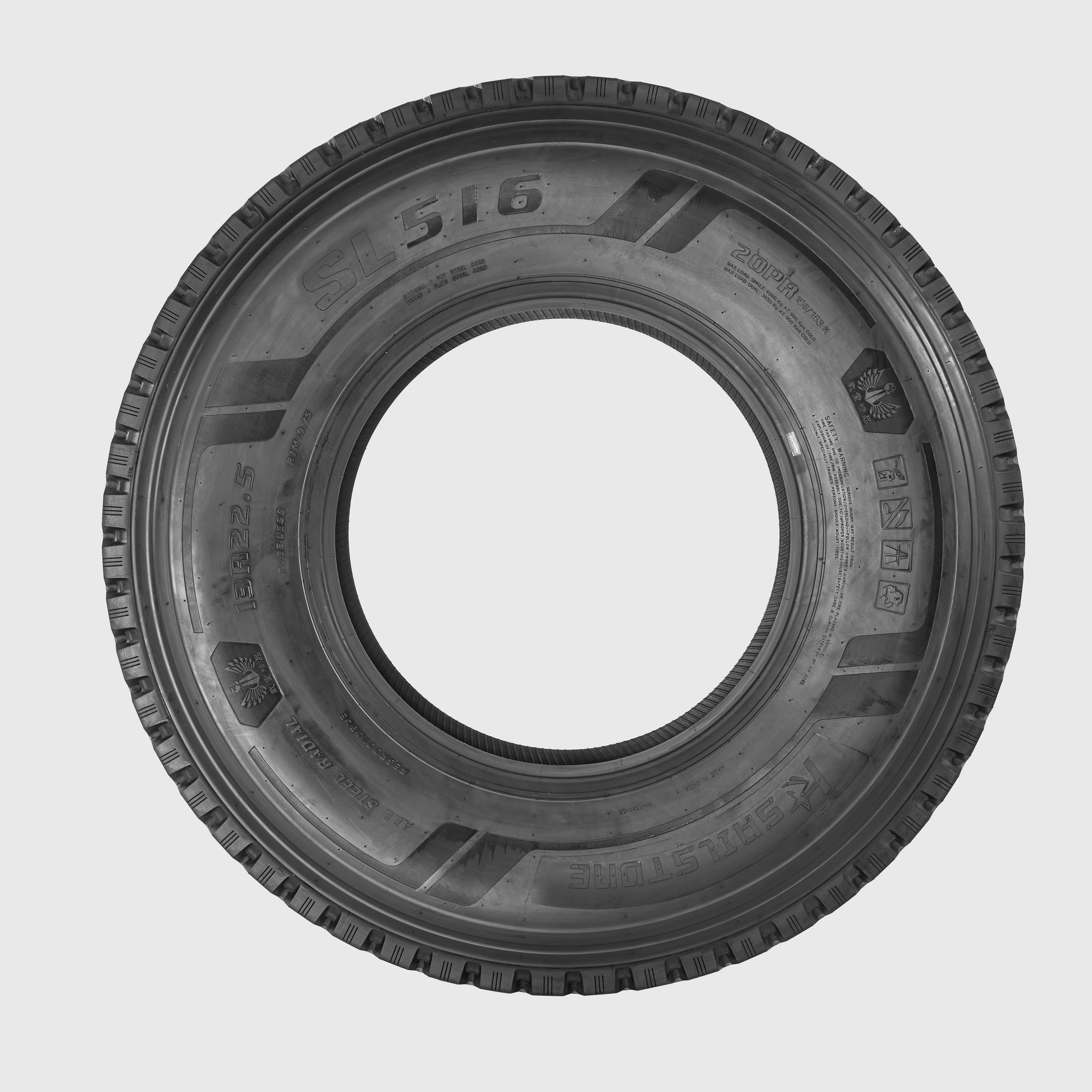
Մասնագիտական արտադրությունը հուսալի առևտրային անվելների հիմքն է: Այն սկսվում է բարձր որակի ռետինի, բարձր ամրության պողպատե մանրաթելերի և կայուն քիմիական ավելացումների խիստ ընտրությամբ՝ նյութերի համասեռությունն ապահովելու համար: Ճշգրիտ խառնուրդի պատրաստում, կալենդարավորում, ձևավորում և բարձր ճշգրտությամբ վուլկանացում ներառող առաջադեմ գործընթացները երաշխավորում են համասեռ աշխատանքային ցուցանիշներ և կառուցվածքային կայունություն: Յուրաքանչյուր առևտրային անվել ենթարկվում է խիստ որակի ստուգման, ներառյալ համասեռության, դինամիկ հավասարակշռության, ամրության և մշակումային կայունության ստուգումները՝ համապատասխանելու միջազգային ստանդարտներին: Մասնագիտական արտադրողները իրական ճանապարհների մոդելավորման փորձարկումներ են անցկացնում նաև արդյունաբերական տրանսպորտային սցենարների համար արդյունավետության օպտիմալացման նպատակով: Այս խիստ վերահսկումը երաշխավորում է, որ յուրաքանչյուր առևտրային անվել ապահովում է կայուն աշխատանքային ցուցանիշներ, երկար ծառայության ժամկետ և բարձր անվտանգություն, ինչը դարձնում է այն հարմար ժամանակակից տրանսպորտային և տրանսպորտային տրանսպորտի բարձր պահանջների համար:
Ինչպես կայուն առևտրային շա tires մատակարարումը աջակցում է տրանսպորտային բեռնափոխադրումների ֆլոտի արդյունավետությանը
Կայուն և մասնագիտական տևարար առևտրային շա tires մատակարարումը բերում է համապարփակ օգուտներ տրանսպորտային բեռնափոխադրումների ֆլոտի համար: Հաստատուն արտադրանքի որակը նշանակում է կանխատեսելի շա tires ծառայության ժամանակաշրջան և անսպասելի կանգառների նվազեցում: Սպեցիֆիկացիաների լիարժեք տեսականի շնորհիվ ֆլոտերը կարող են ընտրել ճիշտ առևտրային շա tires ՝ ուղղում, շարժում և մեքենայի հետևի մասի համար, ինչը մաքսիմալացնում է արդյունավետությունն ու ծառայության ժամանակաշրջանը: Ժամանակին մատակարարումը և արձագանքող սպասարկումը նվազեցնում են փոխարինման և վերանորոգման սպասման ժամանակը: Երկար հեռավորության տեղափոխությունների, տարածաշրջանային առաքումների կամ ծանր բեռնավորման դեպքերի համար հարմարեցված լուծումները հետագայում բարելավում են արդյունավետությունը: Հուսալի առևտրային շա tires մատակարարում ունենալով՝ ֆլոտերը կարող են պահպանել հաստատուն աշխատանքային գրաֆիկներ, նվազեցնել սպասարկման ծախսերը, բարելավել վարորդների բավարարվածությունը և ամրապնդել ընդհանուր մրցունակությունը: Արագ զարգացող տրանսպորտային բեռնափոխադրումների ոլորտում հուսալի առևտրային շա tires մատակարարումը ոչ միայն գնում է, այլև կայուն գործունեության համար ռազմավարական գործընկեր:
Գործնական ուղեցույց մշակույթային առևտրային շա tires ընտրելու և պահպանելու համար
Առևտրային շա tires-ի արժեքը մաքսիմալացնելու համար հետևեք գործնական քայլերի՝ ընտրության և խնամքի վերաբերյալ: Առաջինը՝ ընտրեք ճիշտ նախշը, բեռնվածության ինդեքսը և արագության դասակարգումը՝ հիմնված ձեր երթուղիների, բեռնվածության և մեքենայի դիրքերի վրա: Երկրորդը՝ միշտ պահեք ճիշտ օդի ճնշումը; սխալ ճնշումը առաջացնում է անհավասար մաշվածություն և կարճացնում է շա tires-ի ծառայության ժամկետը: Երրորդը՝ ստուգեք շա tires-ը կտրվածքների, ճեղքվածքների, մտած քարերի և անոմալ մաշվածության համար՝ խնդիրները վաղ հայտնաբերելու համար: Չորրորդը՝ կատարեք պարբերաբար շա tires-ի պտտում, անիվների հարմարեցում և հավասարակշռում՝ ապահովելու հավասարաչափ մաշվածությունը: Հինգերորդը՝ խուսափեք գերբեռնվածությունից և ագրեսիվ վարելաձևից, որոնք լրացուցիչ լարվածության են ենթարկում շա tires-ը: Ընտրելով մասնագիտական կերպով արտադրված, մշակույթային առևտրային շա tires և ճիշտ օգտագործելով այն, կարող եք զգալիորեն բարելավել անվտանգությունը, երկարացնել ծառայության ժամկետը, նվազեցնել ծախսերը և աջակցել ցանկացած տրանսպորտային բեռնափոխադրման բազայի կայուն և արդյունավետ գործունեությանը:
 Թեժ նորություններ
 EN
EN