The Impact of Neglecting Basic Tire Care: My Eye-Opening Experience
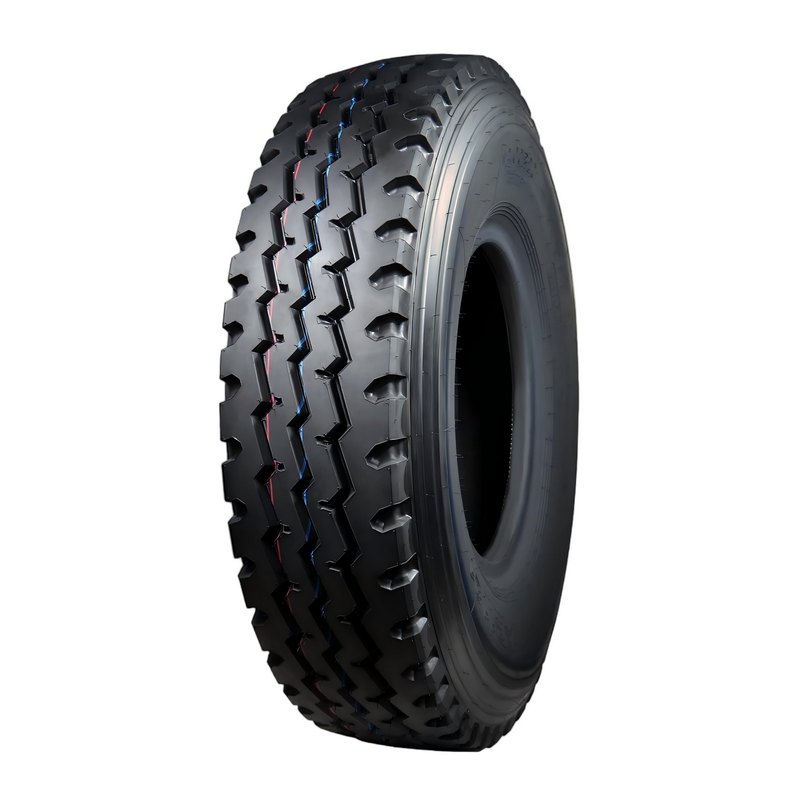
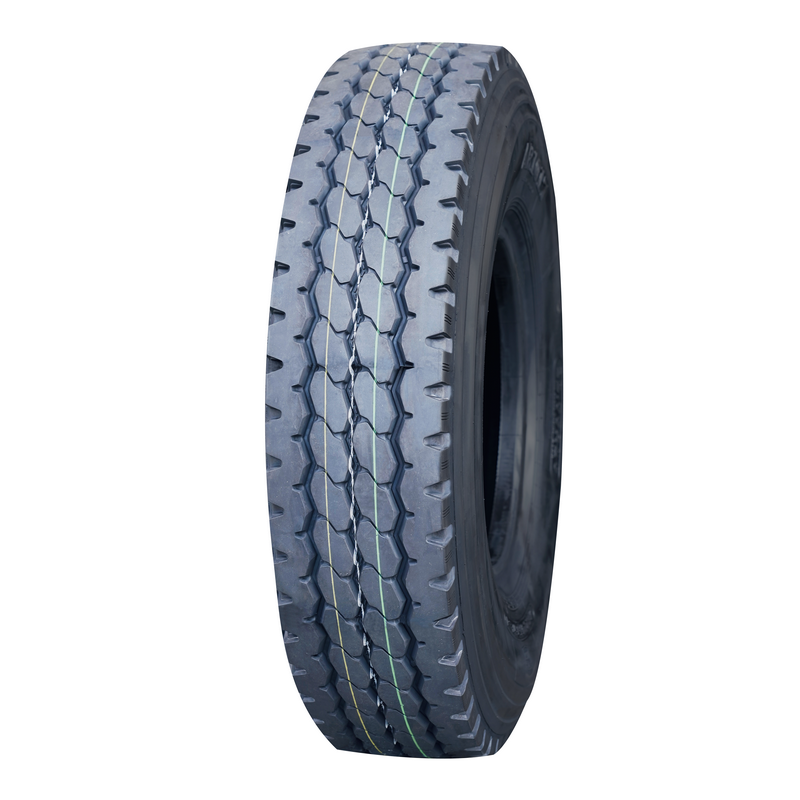
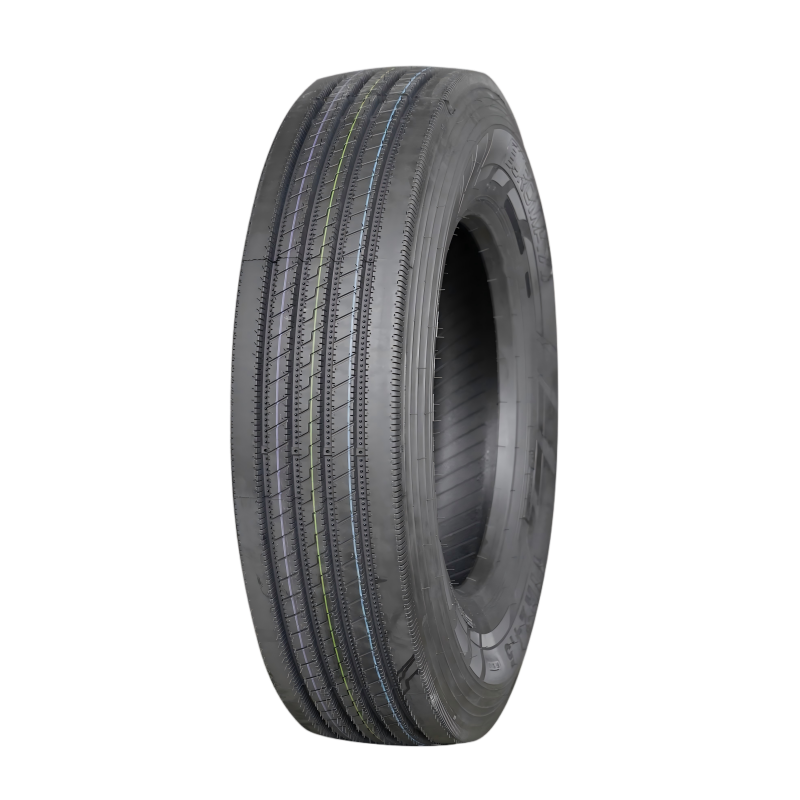
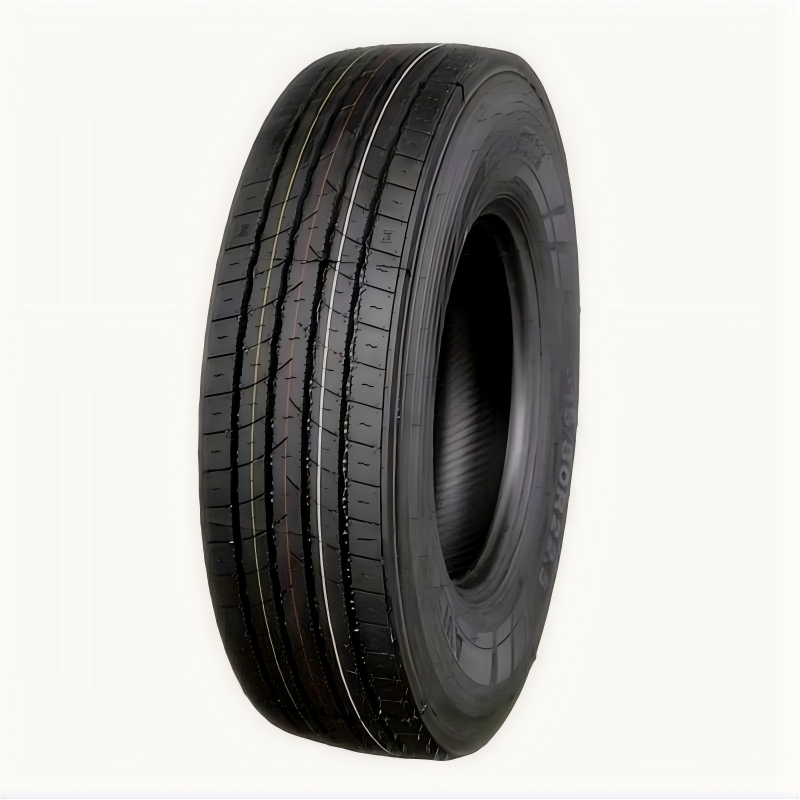
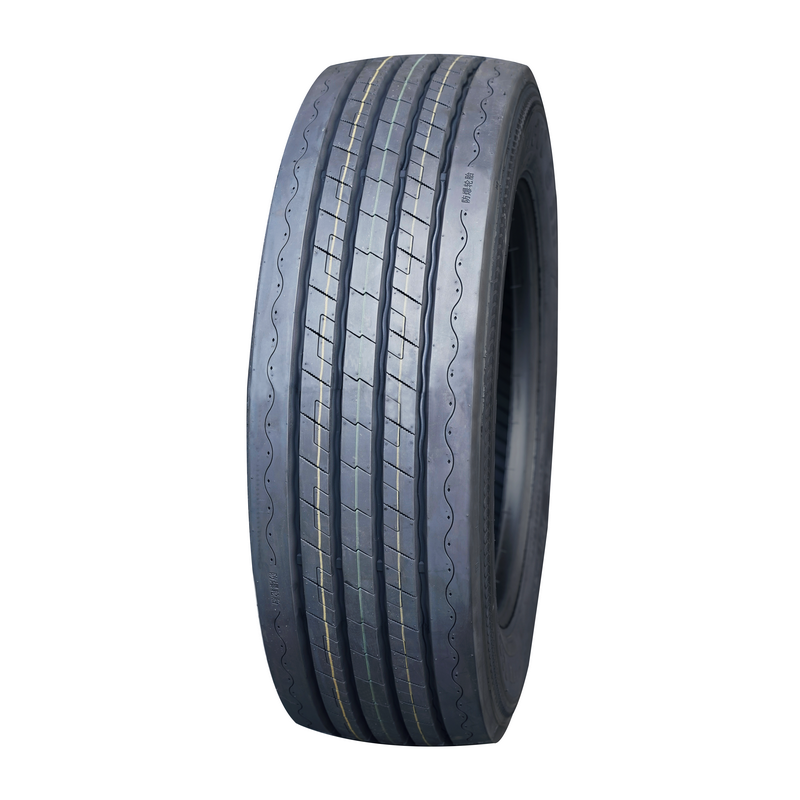
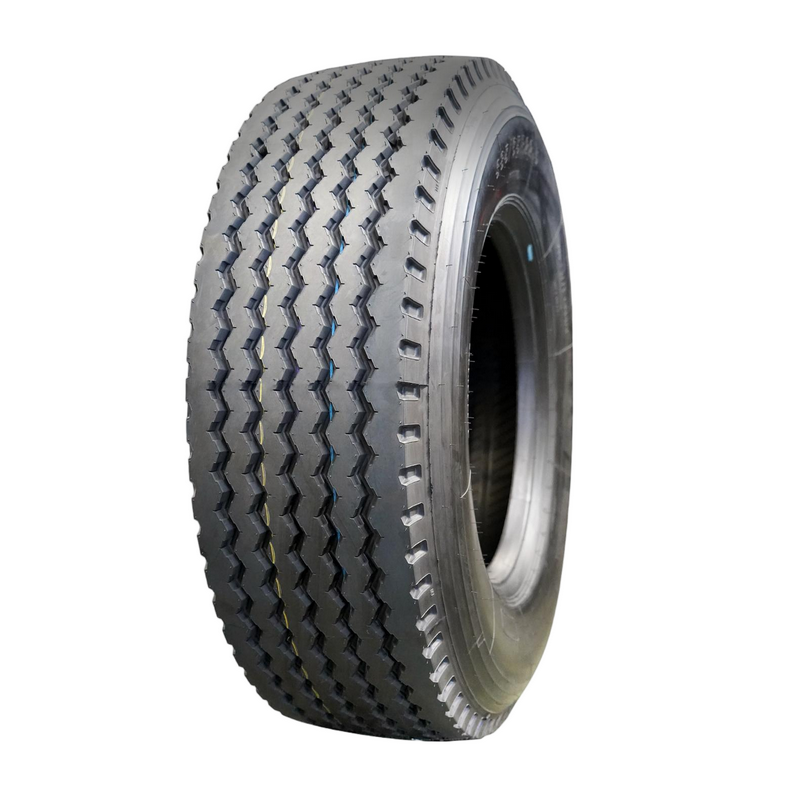
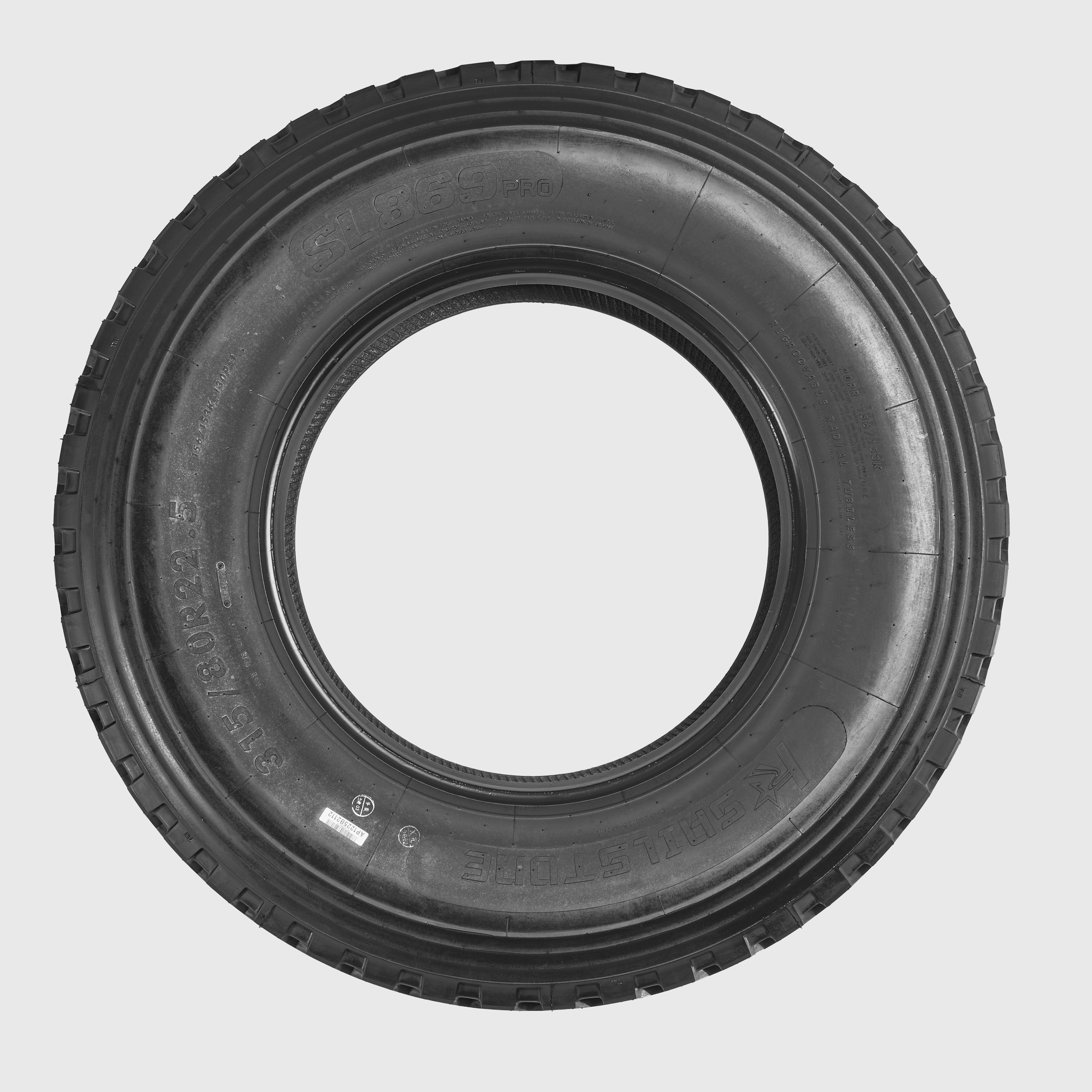
A few months back, I managed a small delivery fleet using Sailstone SL003 tires, which are known for their durability and grip. At first, we were focused solely on meeting delivery deadlines and paid little attention to tire maintenance. We ignored rotation schedules and rarely checked tire pressure. Within six months, the front tires showed uneven wear, with the edges becoming thin while the center remained relatively intact. This not only affected the vehicle's handling—making turns less stable—but also forced us to replace the tires much earlier than expected. The cost of frequent replacements quickly added up, and we realized that neglecting basic tire care was not only expensive but also risky. After consulting Sailstone's technical support team, we learned that regular rotation and pressure checks are simple yet effective ways to extend tire life. This experience taught me that even with a high-quality good tire like those from Sailstone, proper maintenance is essential to unlock its full potential.
Understanding Tire Rotation: Expert Insights for Optimal Performance
Tire rotation is more than just moving tires from one position to another; it’s a strategic practice based on how tires wear during different uses. Sailstone’s R&D team, which uses internationally advanced materials and manufacturing processes, explains that front tires on most vehicles bear more weight due to the engine and steering system, leading to faster wear on the shoulders. Rear tires, on the other hand, wear more evenly but still need rotation to maintain consistent performance. The company recommends rotating tires every 5,000 to 8,000 kilometers, depending on the usage scenario—more frequently for urban commuting with frequent stops and starts, and slightly less for long-haul transportation. By rotating your good tire regularly, you ensure that wear is distributed evenly across all four tires, preventing premature replacement and maintaining optimal grip and handling. This practice aligns with Sailstone’s commitment to delivering reliable and long-lasting tire products.
The Science of Proper Tire Pressure: Why It Matters for Your Good Tire
Proper tire pressure is a critical factor that many drivers overlook, yet it has a profound impact on tire life and performance. According to automotive experts at leading research institutions, underinflated tires increase rolling resistance, causing the tire to flex excessively and generate more heat. This extra heat accelerates tread wear and can even lead to tire failure. Overinflated tires, on the other hand, reduce the contact area between the tire and the road, resulting in uneven wear on the center of the tread and compromising traction. Sailstone’s technical specifications emphasize that their tires—whether the SL905 for heavy-duty vehicles or the SL797 for off-road adventures—are designed to perform best at specific pressure levels. Checking tire pressure at least once a month, and before long trips, ensures that your good tire operates within its optimal parameters. This simple step not only extends tire life but also improves fuel efficiency, as properly inflated tires reduce energy waste. Sailstone’s commitment to energy efficiency and environmental performance is further enhanced when drivers maintain proper tire pressure.
How Sailstone’s Tire Advantages Complement Regular Maintenance
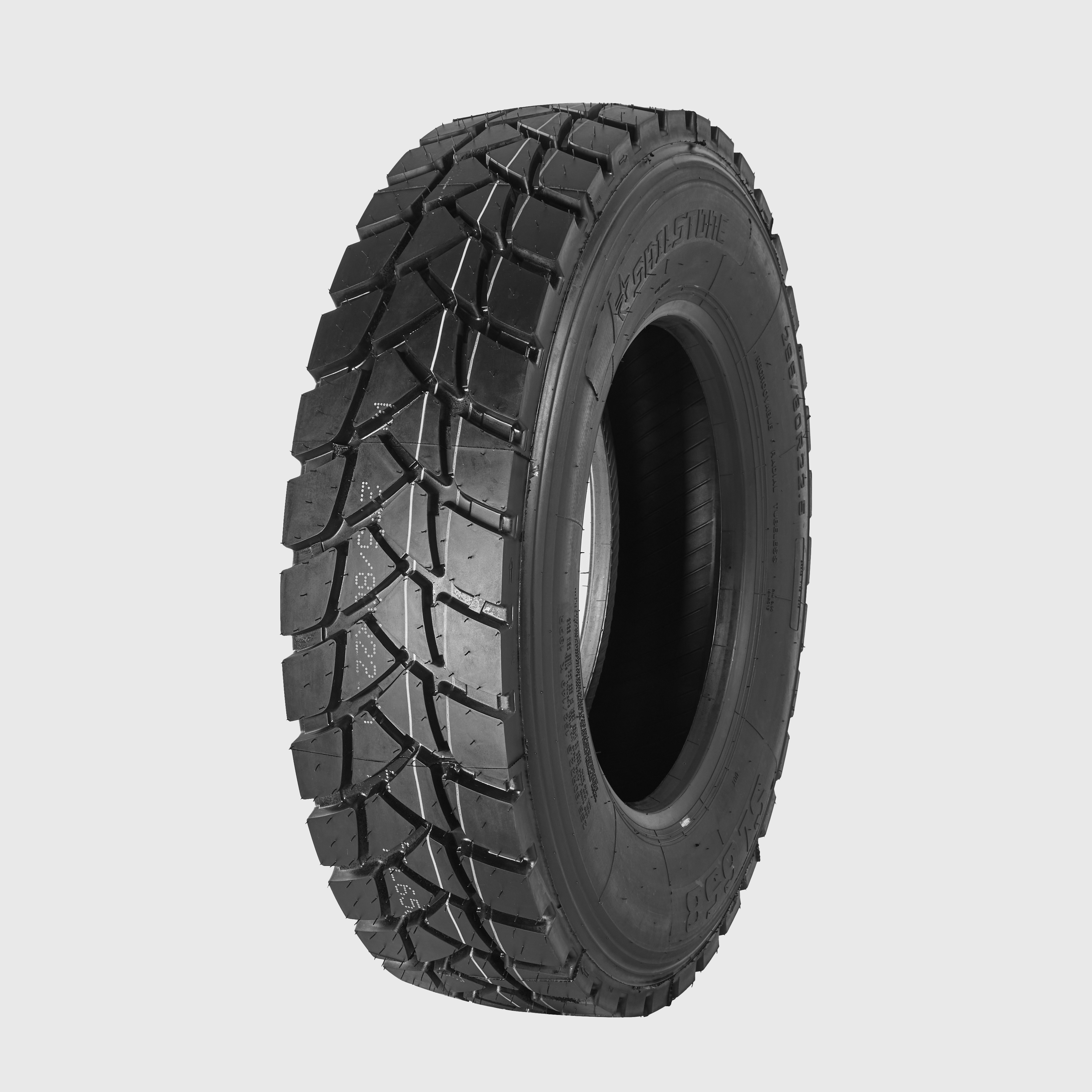
Sailstone tires are engineered with durability, grip, and energy efficiency in mind, thanks to the company’s adoption of advanced materials and manufacturing processes. Their good tire lineup, including the SL878 for urban commuting, is built to withstand various road conditions and climates. However, these advantages are maximized when paired with regular rotation and pressure checks. For example, Sailstone’s tires feature a specialized tread design that enhances grip, but uneven wear from lack of rotation can diminish this feature over time. By rotating the tires, you preserve the tread pattern and ensure that the grip remains consistent. Additionally, the company’s tires are designed for optimal load capacity, especially the 11R22.5 model suitable for heavy-duty vehicles. Proper tire pressure ensures that the tire can handle the intended load without excessive stress, preventing damage and extending its service life. Sailstone also offers comprehensive after-sales services and technical support, providing customers with guidance on maintenance practices tailored to their specific needs. This combination of high-quality products and expert support makes Sailstone a trusted partner for drivers seeking reliable and long-lasting tires.
Practical Tips to Incorporate Rotation and Pressure Checks Into Your Routine
Incorporating regular tire rotation and pressure checks into your routine doesn’t have to be complicated. Start by marking your calendar to rotate your tires every 5,000 to 8,000 kilometers—you can also use the mileage interval recommended in your vehicle’s owner’s manual. When rotating, follow the pattern suggested by Sailstone: for front-wheel-drive vehicles, move front tires to the rear and rear tires to the front, crossing them for better wear distribution. For pressure checks, invest in a quality tire pressure gauge and check the pressure when the tires are cold (before driving for more than a few kilometers). Refer to Sailstone’s specifications or your vehicle’s door jamb for the recommended pressure level. It’s also a good idea to inspect the tires for any signs of damage, such as cuts or bulges, during these checks. By making these simple tasks a regular part of your vehicle maintenance, you can significantly extend the life of your good tire, improve safety on the road, and save money in the long run. Sailstone’s dedication to customer satisfaction means that they are always available to answer any questions and provide additional tips to help you get the most out of your tires.
 Hot News
 EN
EN