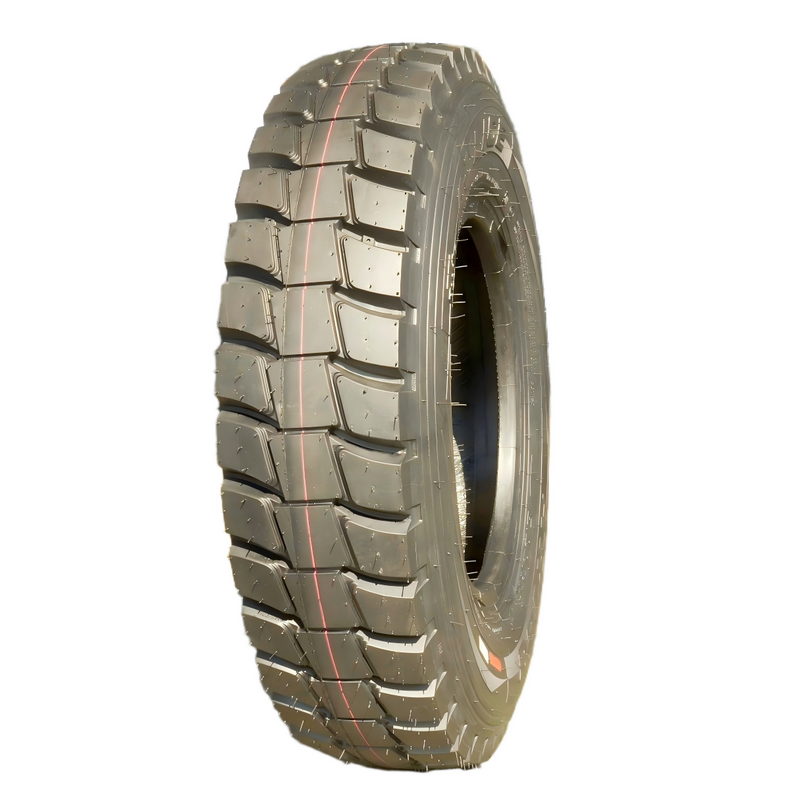
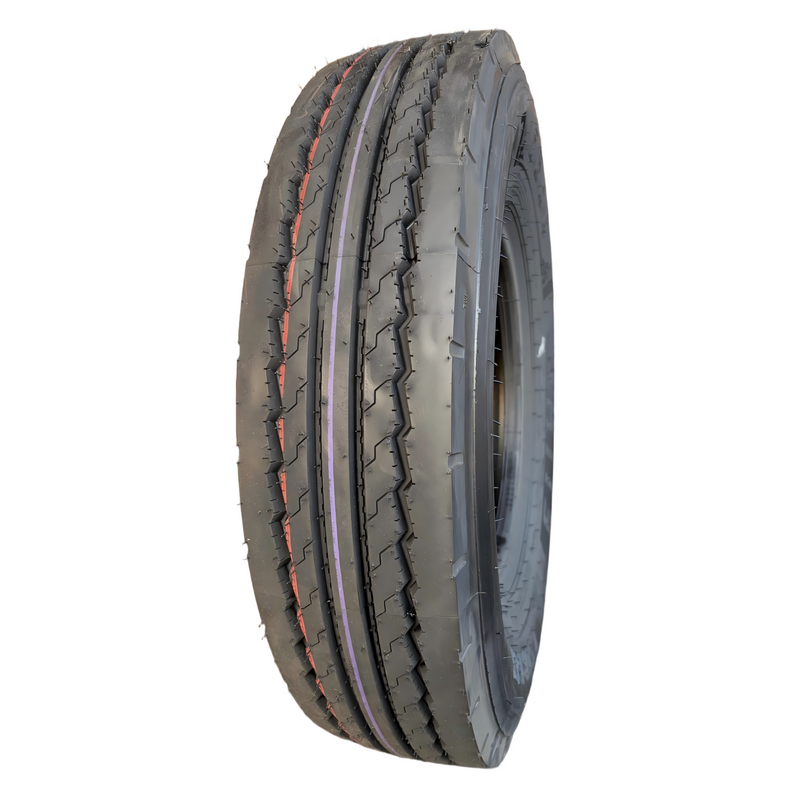
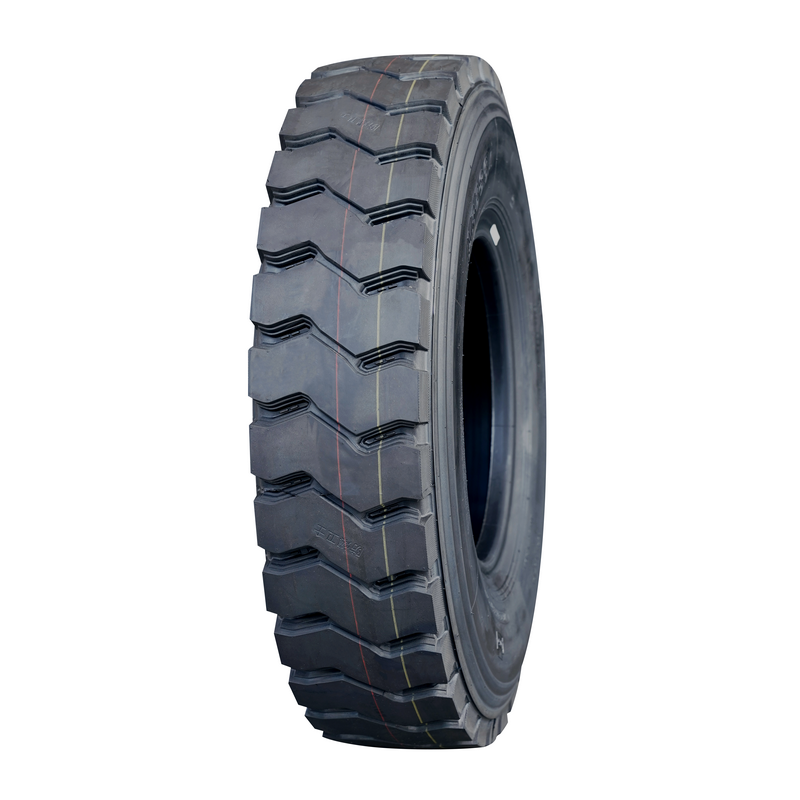
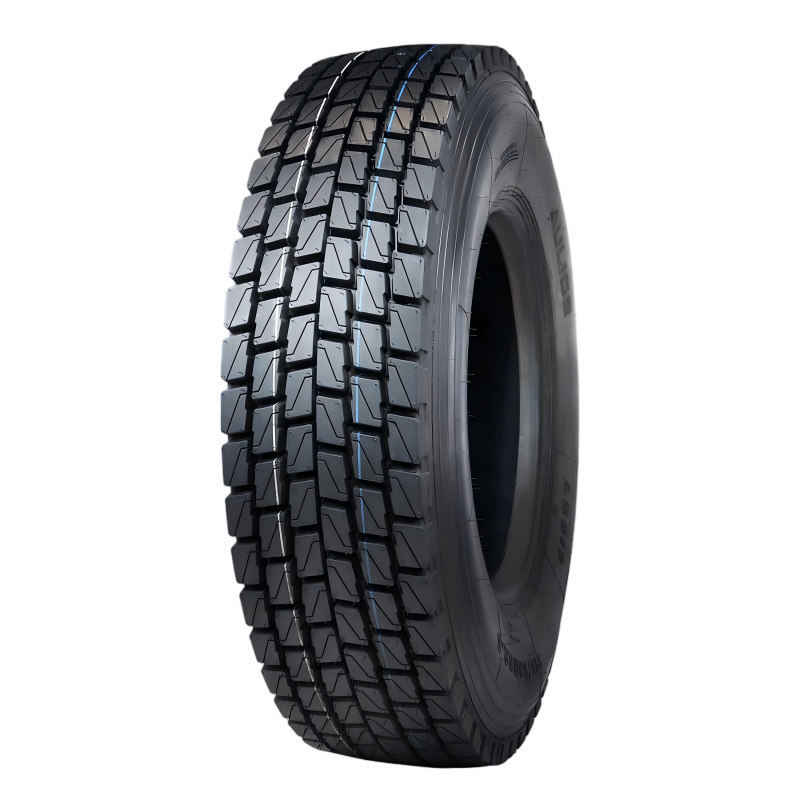
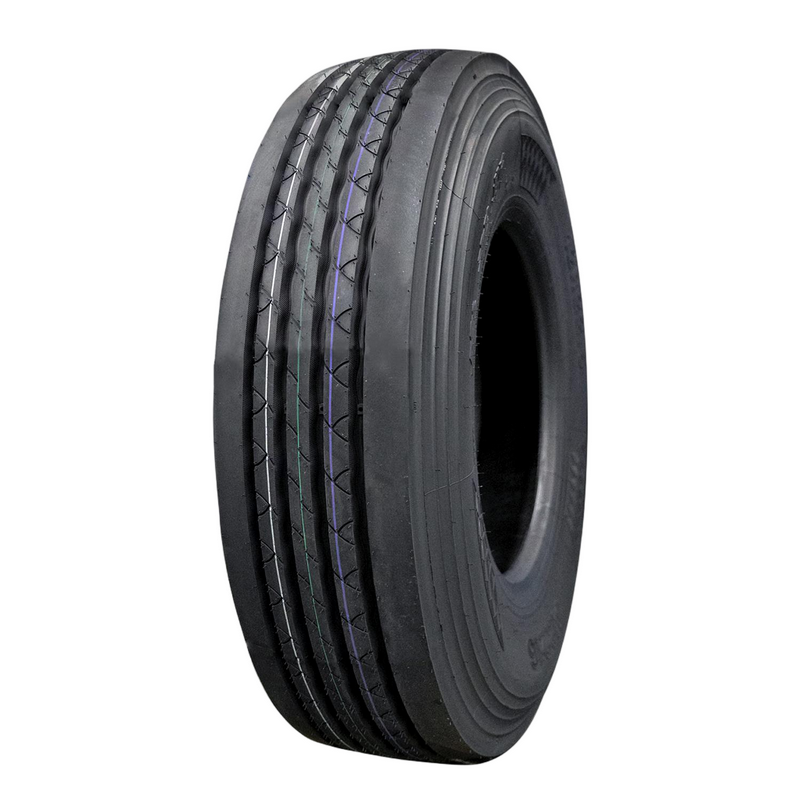
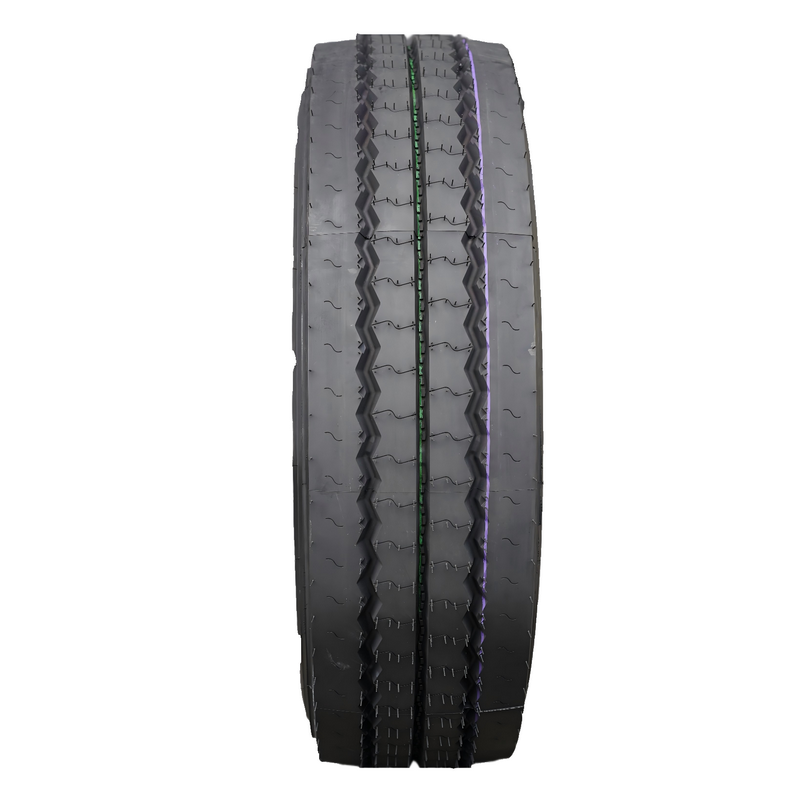
The 11r245 tire is a workhorse for heavy-duty vehicles like trucks and buses, built to handle heavy loads and long distances. But even the toughest 11r245 tire can’t stand up to bad driving habits—small daily choices behind the wheel can drastically shorten its service life, leading to frequent replacements and higher costs. Whether it’s aggressive acceleration, ignoring road conditions, or skipping maintenance checks, these habits wear down the 11r245 tire faster than you might think. Let’s break down the key driving habits that impact how long your 11r245 tire lasts, and why changing them matters for your wallet and safety.
Aggressive Acceleration and Hard Braking
Slamming on the gas or hitting the brakes hard is one of the worst habits for your 11r245 tire. Heavy-duty vehicles are already carrying massive weight, and aggressive acceleration forces the 11r245 tire to spin rapidly under pressure, causing uneven tread wear—especially on the drive wheels. The sudden torque pulls at the rubber, wearing down the edges of the tread faster than the center. Hard braking is just as bad: it locks the 11r245 tire’s tread against the road, creating friction that scorches and wears the rubber. For example, a truck driver who frequently accelerates quickly from stop signs might notice the 11r245 tire’s tread wearing thin on the sides within 50,000 kilometers, instead of the expected 100,000+. Smooth acceleration and gradual braking let the 11r245 tire distribute weight evenly, reducing stress and extending its life. It’s not just about being gentle—it’s about protecting your investment in the 11r245 tire.
Overloading or Uneven Load Distribution
The 11r245 tire is designed for heavy loads, but there’s a limit to what it can handle. Overloading your vehicle—even by a few tons—puts excessive pressure on the 11r245 tire, stretching the rubber and weakening the internal belts. This leads to premature wear, bulges, or even blowouts. What’s worse, uneven load distribution (like piling all cargo on one side) makes the problem worse: some 11r245 tire carry more weight than others, wearing them out at different rates. For instance, a delivery truck loaded with boxes shifted to the right might see the right-side 11r245 tire wear out 30% faster than the left. Always check your vehicle’s load limit and spread cargo evenly. This simple habit ensures the 11r245 tire bears weight as designed, preventing unnecessary damage and keeping all tires wearing uniformly.
Ignoring Road Conditions and Rough Driving
Driving recklessly over potholes, gravel, or curbs is a surefire way to damage the 11r245 tire. Heavy-duty vehicles already put stress on the 11r245 tire, and hitting a deep pothole or sharp curb can bend the rim, tear the sidewall, or damage the internal structure—even if you don’t see immediate signs. Gravel roads are just as harsh: small stones get stuck in the tread, cutting the rubber and causing slow leaks or punctures. For example, a truck driver who speeds over construction zone potholes might notice the 11r245 tire developing cracks in the sidewall a few weeks later. The fix is simple: slow down for rough roads, avoid curbs, and steer around large potholes. Taking an extra few seconds to navigate bad road conditions can add tens of thousands of kilometers to the 11r245 tire’s service life.
Driving with Incorrect Tire Pressure
Many drivers overlook tire pressure, but it’s one of the biggest factors affecting the 11r245 tire’s life. Underinflated 11r245 tire have more tread touching the road, creating extra friction that wears the rubber faster and generates heat (a major cause of blowouts). Overinflated 11r245 tire have less tread contact, concentrating pressure on the center of the tread—this leads to premature center wear and reduces grip. For example, an underinflated 11r245 tire might wear out 25% faster than one with correct pressure. Check the 11r245 tire’s pressure at least once a week (when cold, before driving) using a reliable gauge. Follow the vehicle manufacturer’s recommended pressure, not the maximum on the tire sidewall. Keeping pressure in check ensures the 11r245 tire wears evenly and performs as designed, extending its life significantly.
Skipping Regular Tire Maintenance
Even if you drive carefully, skipping maintenance will shorten the 11r245 tire’s life. Two key tasks: rotating the tires and checking alignment. Tire rotation swaps the 11r245 tire between front and rear positions (or left and right) to balance wear—since drive wheels and steer wheels wear differently. For heavy-duty vehicles, rotating the 11r245 tire every 10,000 to 15,000 kilometers prevents uneven tread wear. Misaligned wheels force the 11r245 tire to drag instead of rolling straight, wearing down the edges quickly. If your vehicle pulls to one side or the steering wheel vibrates, it’s time for an alignment. Also, regularly inspect the 11r245 tire for cuts, bulges, or embedded debris—catching small issues early prevents them from turning into big problems. Investing time in maintenance keeps the 11r245 tire in top shape, ensuring it lasts as long as possible.
 Hot News
 EN
EN