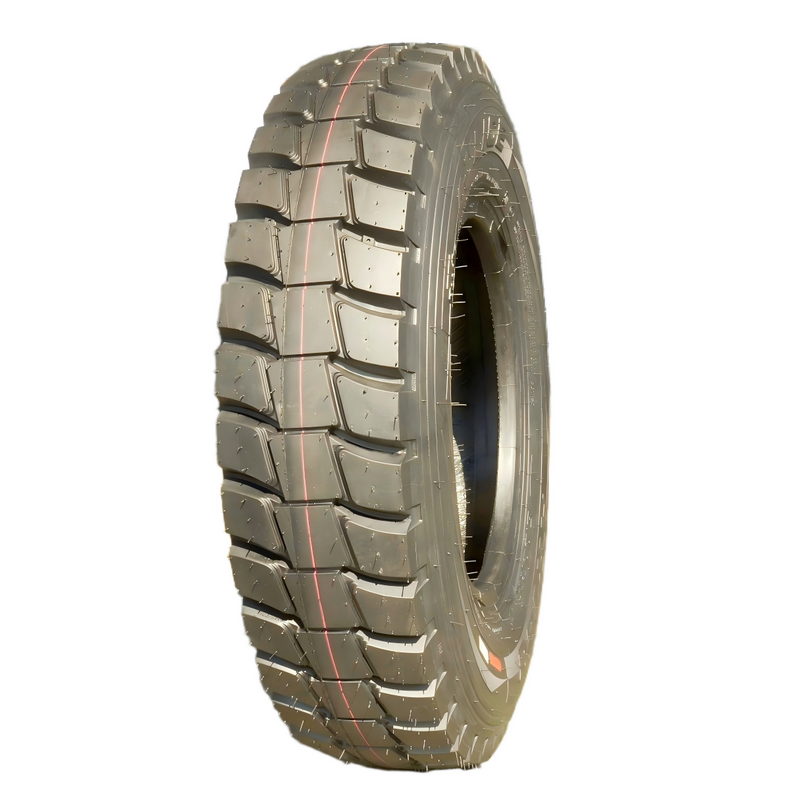
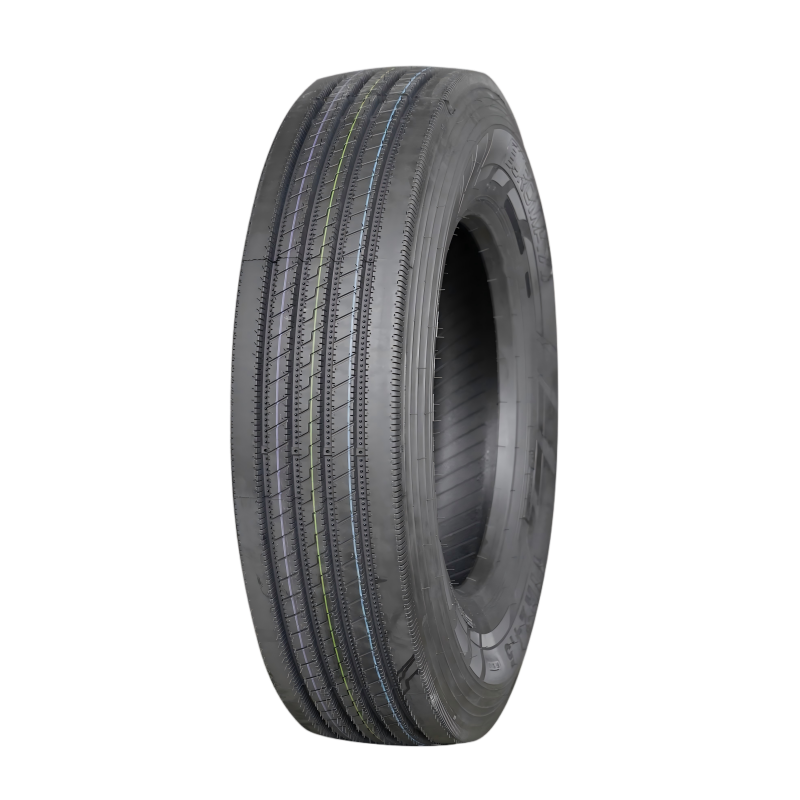
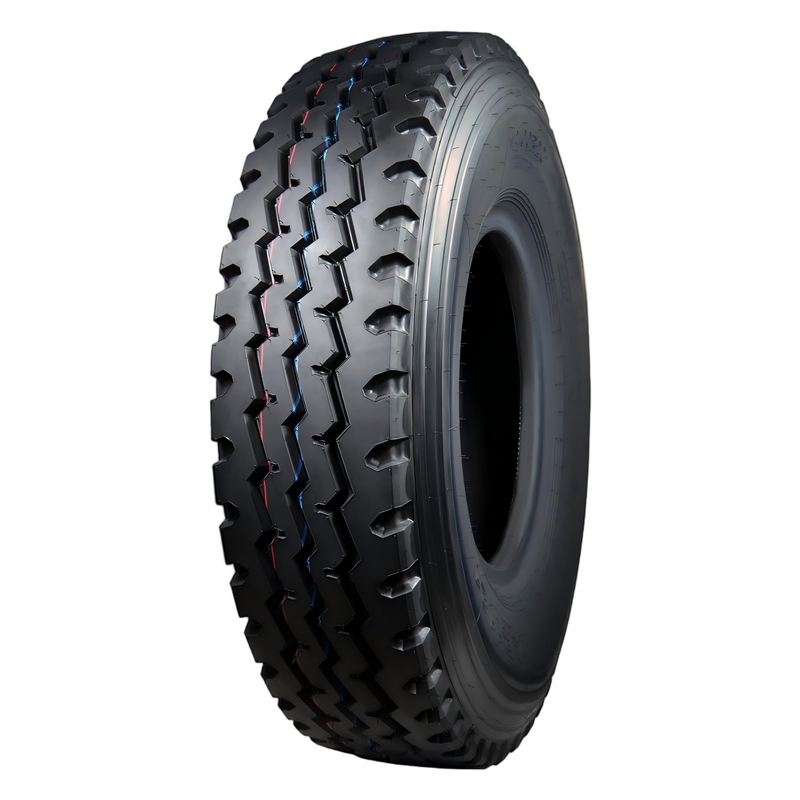
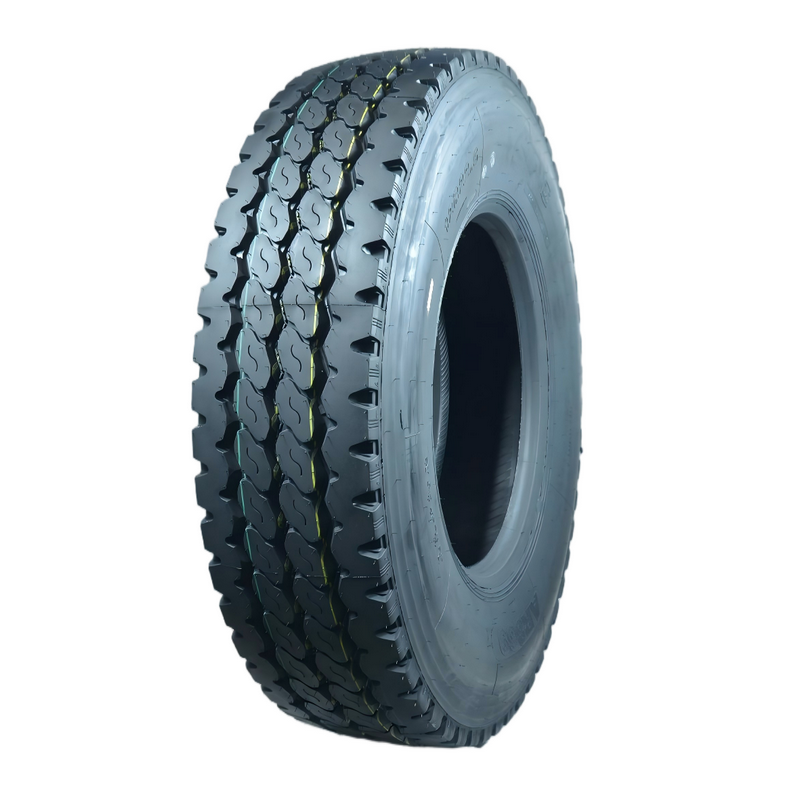
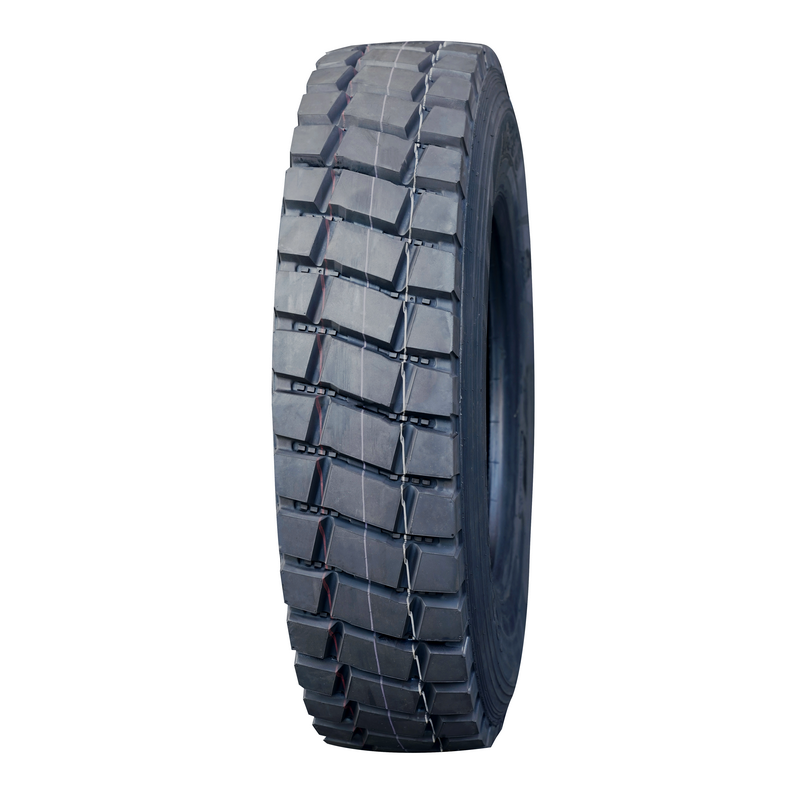
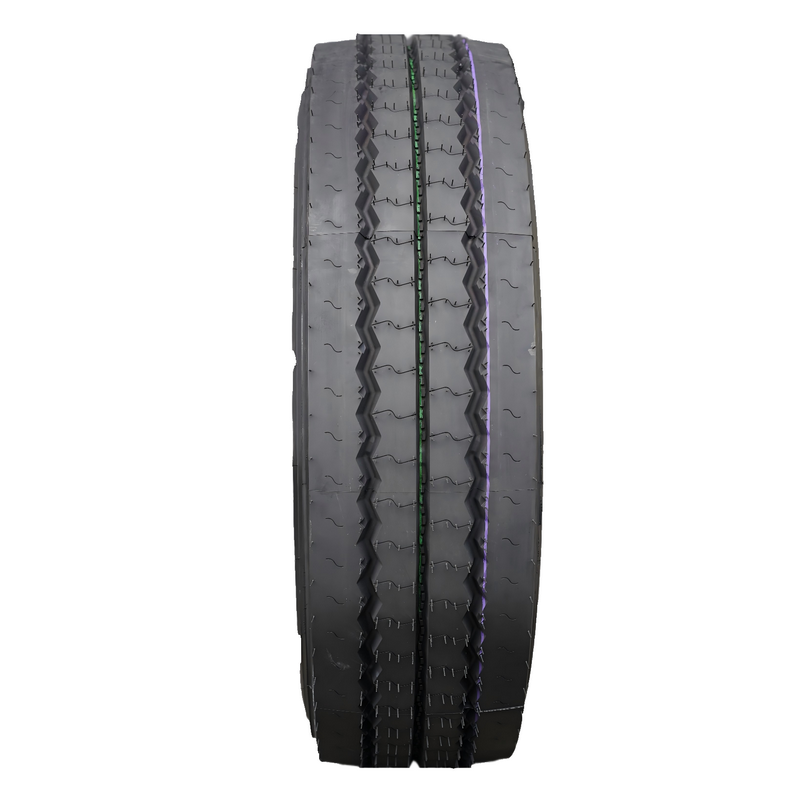
When engineering vehicles operate beyond their designed load specifications, standard tires quickly reach their structural limits. Axle loads frequently exceed the tire’s rated capacity, causing excessive sidewall flexing and casing fatigue. This repeated strain accelerates internal cord separation and ply cracking—leading to premature failure. Off-highway environments compound the problem: rough terrain and high torque loads push tires past safe deflection thresholds. Without reinforced construction, structural integrity degrades rapidly, resulting in blowouts and unplanned downtime.
Overloading places excessive stress on the tire’s load-bearing components—the casing must support weight it was never engineered to carry. In mining and construction fleets, axle loads routinely exceed maximum permissible values by 20% or more during normal operation. This triggers fatigue cracks in the bead area and sidewall, which propagate with every revolution. Field data from major OEMs show that under sustained overload, standard tires fail at roughly 60% of their rated service life. The root cause is cumulative structural fatigue—not a single overload event. As the tire repeatedly deforms beyond its elastic limit, internal cord layers separate and delaminate, eventually causing sudden air loss. Ignoring load limits increases repair costs and introduces serious safety risks.
Excess load also generates dangerous heat. Overloaded tires experience greater sidewall flex per revolution, producing internal friction that raises operating temperatures well above safe thresholds. CAT, Komatsu, and Volvo CE field trials confirm internal temperatures reaching 120–140°C—well beyond the 100°C degradation threshold for standard rubber compounds. At these levels, molecular bonds break down, accelerating tread-to-casing separation and inner liner aging. Heat-induced air loss often occurs long before tread wear becomes limiting. Preventing thermal failure requires either reducing loads or adopting reinforced tires engineered for superior heat dissipation.
Standard tires hit their structural ceiling when fleets operate at 120–140% of gross vehicle weight rating (GVWR). To increase load index without enlarging footprint, engineers optimize carcass cord angles—tightening the crown angle to 22°–30° improves vertical load transfer to the sidewall and reduces internal shear stress. A dual-ply sidewall architecture distributes cyclic strain across two independent layers, delaying fatigue crack initiation. This design amplifies static load capacity by up to 18% versus single-ply equivalents while maintaining identical mounting dimensions.
To counter heat-driven failures, modern tread compounds integrate high-silica fillers and refined sulfur-accelerator ratios that lower hysteresis—enabling 30% faster heat dissipation than conventional off-the-road rubber. Anti-degradants and antioxidants are blended into the base polymer to resist oxidative hardening under sustained heavy loads. The result is a tread that remains flexible, resists chunking, and maintains adhesion—even when run at 40% over nominal load for extended duty cycles.
Deploying reinforced overloaded tires across an engineering vehicle fleet demands a systematic, axle-specific protocol. A one-size-fits-all approach invites premature failure. Instead, fleet managers must implement dynamic load mapping and weight distribution calibration to ensure each tire operates within its design envelope.
This begins with measuring real-world axle loads across operational phases—loading, hauling, and dumping—using onboard scales or telematics. The collected data captures both static and dynamic weight shifts. Calibration then adjusts inflation pressures and load indices per axle position to compensate for uneven weight distribution. This prevents localized overloading that drives rapid tread wear and casing fatigue. By matching each tire’s capacity precisely to its actual axle load, the protocol extends service life and improves stability. Recalibration is essential whenever vehicle configurations or payload profiles change—ensuring continued alignment between tire performance and real-world demand.
A Chilean copper mine replaced standard tires with reinforced overloaded versions across its haul truck fleet—and achieved a measured 23% reduction in unscheduled downtime. These tires were specifically engineered to handle axle loads regularly exceeding 120% of standard ratings. By preventing the sidewall blowouts and tread separations common under overload, the mine stabilized its haul cycle. Equipment availability improved directly, boosting daily ore movement by 15%.
Fleet data comparing reinforced overloaded tires against standard OEM-spec units revealed a 42% increase in Mean Time Between Failures (MTBF). Key performance gains are summarized below:
| Metric | Standard OEM Tire | Reinforced Overloaded Tire |
|---|---|---|
| Unscheduled downtime reduction | Baseline | 23% lower |
| Mean Time Between Failures (MTBF) | Baseline | 42% longer |
| Maintenance labor per tire | $120/month | $75/month |
| Average service life (hours) | 4,000 | 6,500 |
Longer service windows reduce vehicle pulls for tire changes, cutting maintenance labor costs by 37%. Every hour a heavy haul truck sits idle due to unplanned tire failure represents lost production revenue. Reinforced overloaded tires—through higher load indices and thermally stable compounds—directly minimize those losses. Operators report extending replacement intervals by over 20 months on high-utilization routes, delivering a clear path to reduced total cost of ownership.
Standard tires fail under overloaded conditions due to excessive stress on their casing, resulting in structural fatigue, internal cord separation, and heat-induced degradation.
Reinforced overloaded tires offer increased load capacity, better heat resistance, and extended service life, reducing unscheduled downtime and maintenance costs.
Reinforced tires incorporate advanced tread compounds with high-silica fillers and anti-degradants, enabling improved heat dissipation and resistance to oxidative hardening under heavy loads.
Dynamic load mapping involves measuring axle loads during different operational phases, ensuring proper inflation pressures and load indices for optimal tire performance and longevity.
 Hot News
2025-10-18
2025-10-17
2025-10-15
2025-10-14
2025-10-10
2025-09-22

Qingdao Surpass Rubber Technology Co., Ltd provides advanced tire manufacturing for global markets. Our R&D-driven approach delivers durable, energy-efficient tires with superior grip. 1M+ annual capacity, 50+ countries served.
T1 (QRCB Mansion), NO.6, Qinling Road, Qingdao, China
Copyright © 2025 by Qingdao Surpass Rubber Technology Co., Ltd Privacy Policy
 EN
EN