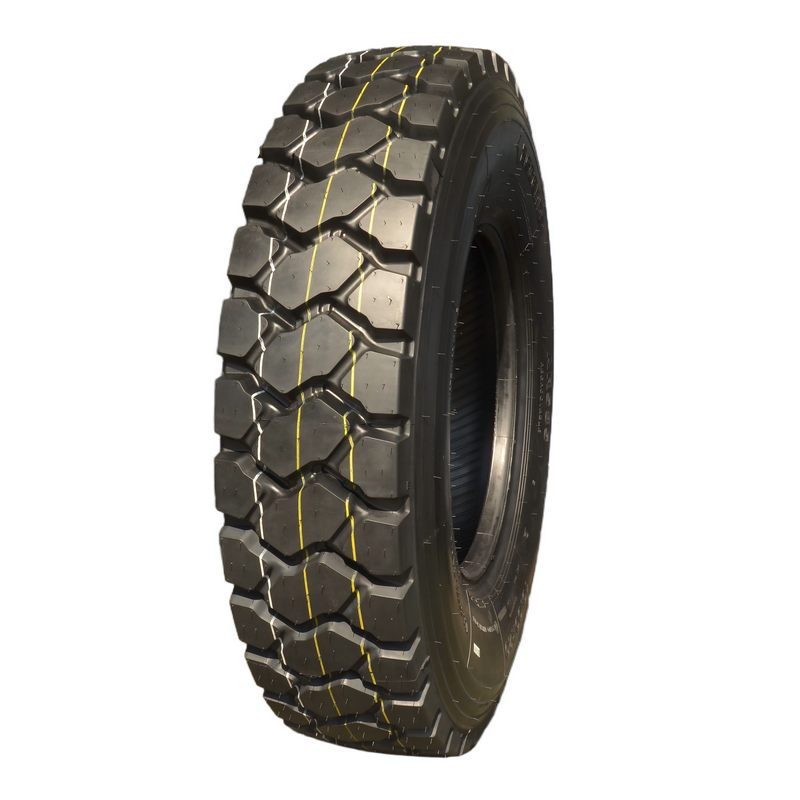
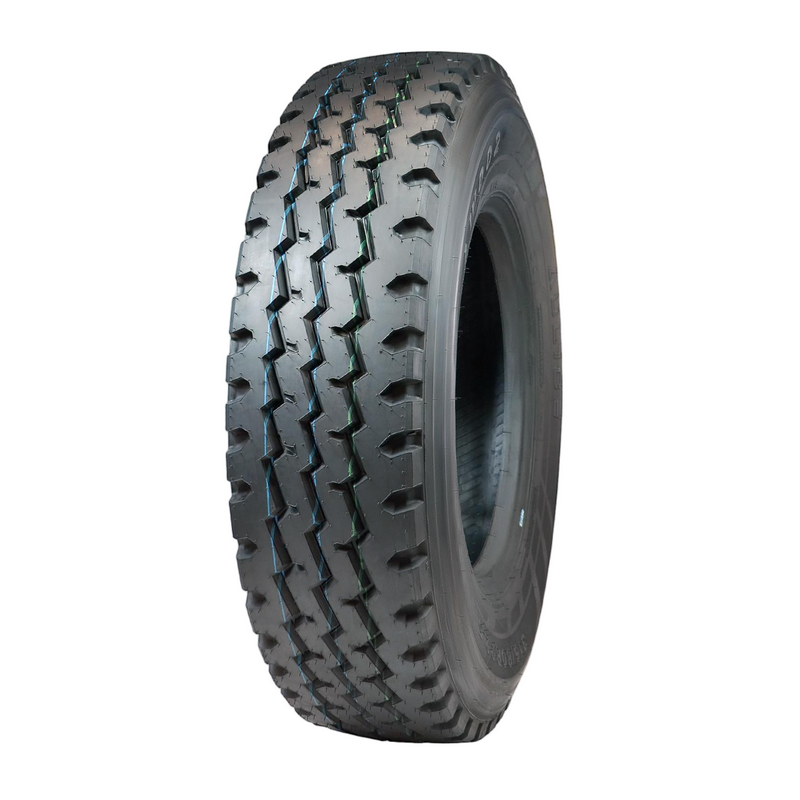
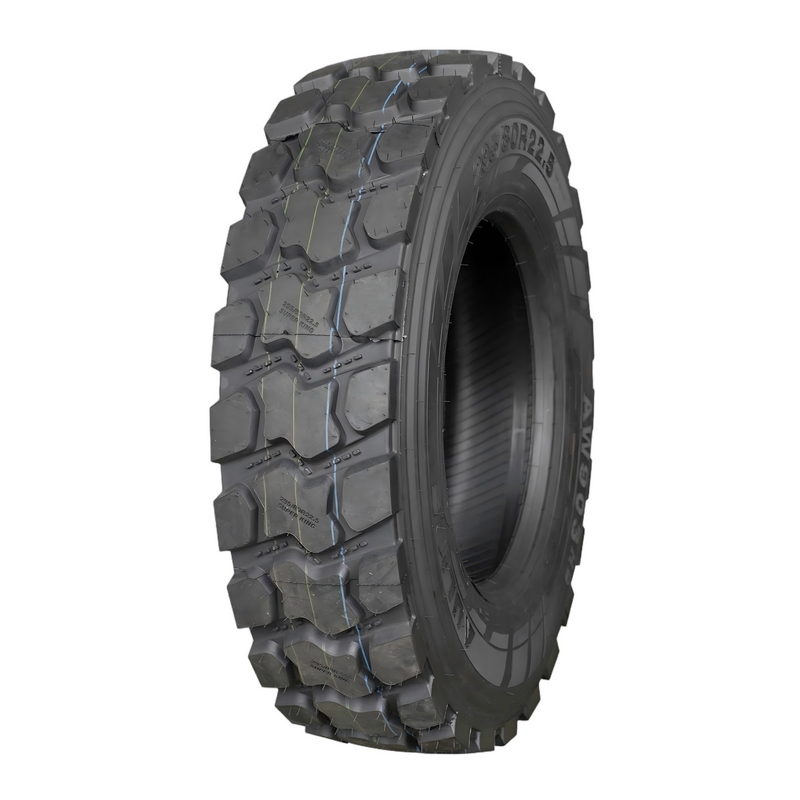
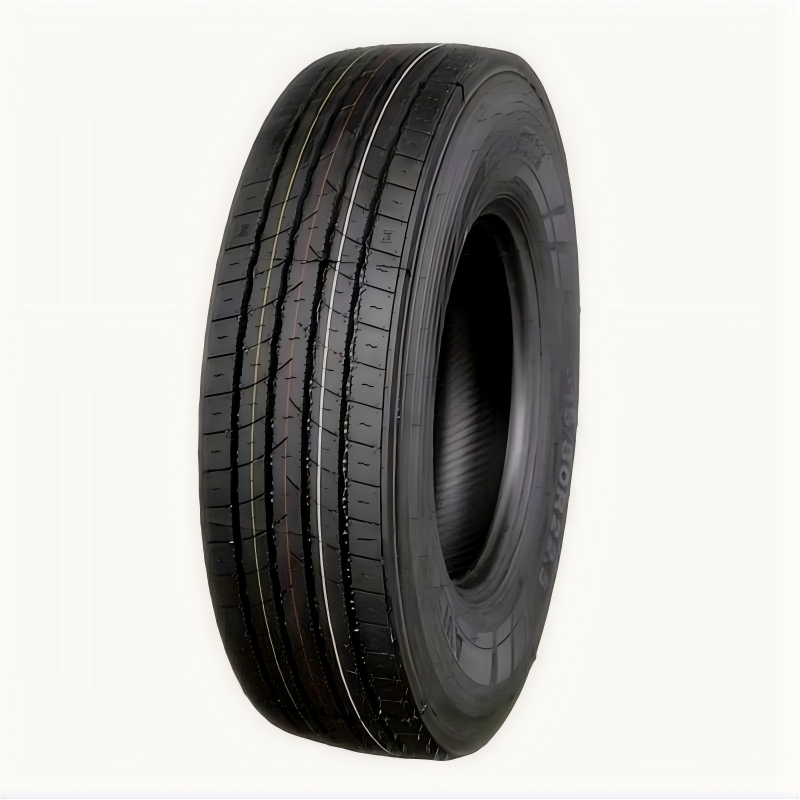
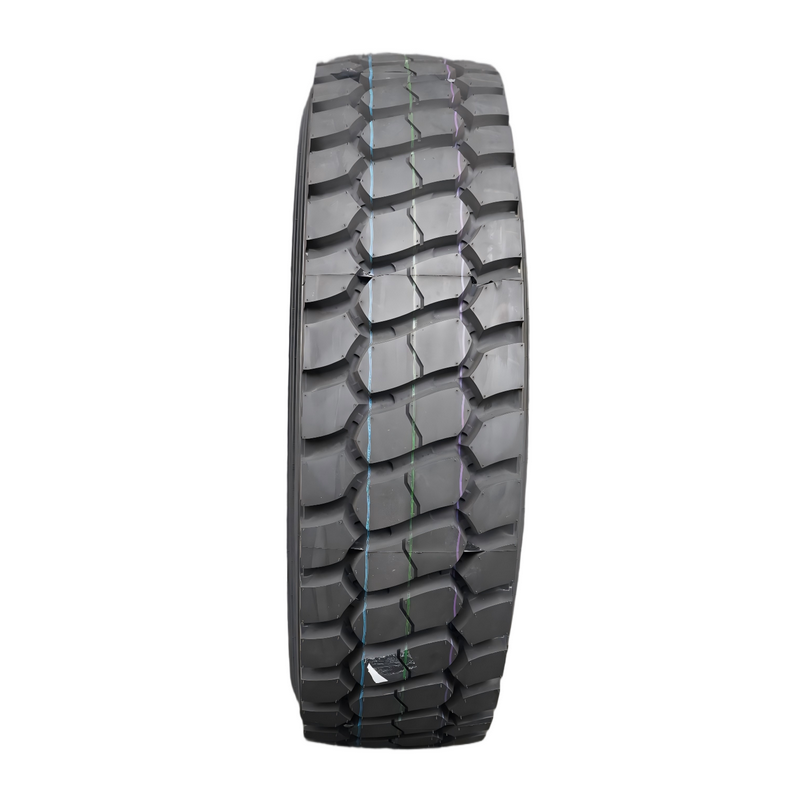
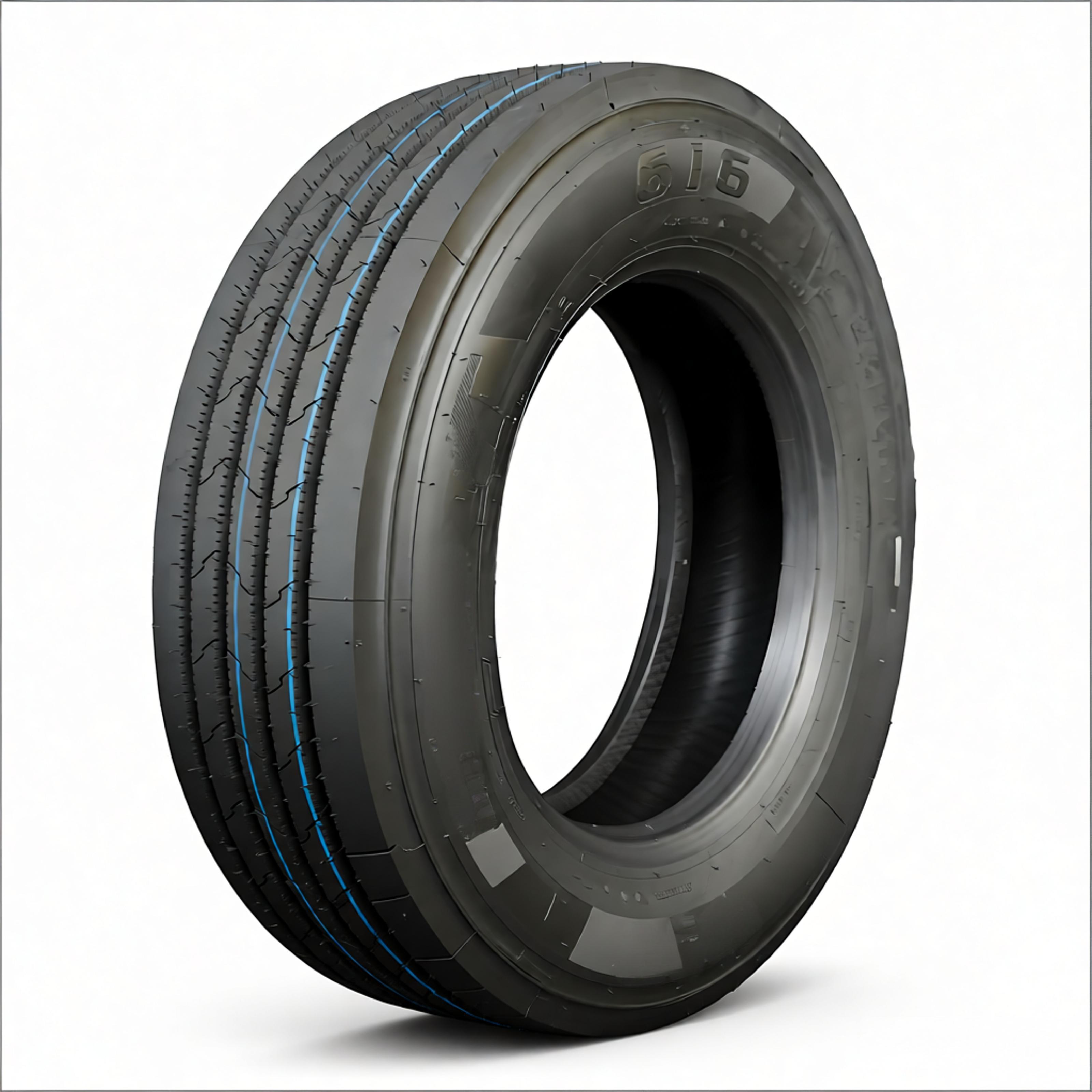
Жүк ташуучу машиналардын шиналарынын төзүмдүүлүгү кездейсоо пайда болгон эмес — бул максаттуу инженердик чечимдердин натыйжасы. Терең оюмдуу геометрия үч негизги компонентти оптималдаштырат: полимердик компаундун төзүмдүүлүгүн, болот менен күчөтүлгөн корпусдун колдоосун жана стратегиялык жылуулуктун чачырануу каналдарын. Өзгөчө полимерлер менен бирге жогорку силикалык компаунддар кернеэлүү циклдерде микротрещинанын пайда болушун токтотот, ал эсеси болоттун бир нече катмары динамикалык транспорт каражаттарынын маневрлерин жасаганда корпусдун бүтүндүгүн күчөтөт. Эң маанилүүсү — кеңейтилген оюмдуу көлөм жылуулуктун жыйлануусун конвекция аркылуу чачыратат, бул узак мөөнөттүү автожолдогу иштөөдө эксплуатациялык температуранын чоңойуп кетүүсүн төмөнкү коопсуздук чегине (120°C ден төмөн) түшүрөт. Бул жылуулуктун башкарылышы компаунддун бузулушунун алдын алат, андай бузулуш тез износко алып келет жана терең оюмдуу, жогорку температурада иштеген дизайндарда жыл сайын ~1,5 мм износго алып келет.
Талаа шарттарында сынап көрүлгөн терең оюлары бар моделдер чыныгы автожолдогу талаптардын астында өлчөмдүү артыкчылыктарды көрсөтөт. Аймактык жеткирүү флоттору терең оюлары бар шиналарды кайра оюу мүмкүнчүлүгүнүн узартылганын жана тоо аймактарында жакшыртылган жаныбас тейке туташуунун (латералдык тягач) тууралуу маалымат берет, анда авариялык жагдайларда күчтүн өтүшүн сактоо үчүн оюлардын бурчтары жакшыртылган. Башка уюмдар тарабынан жасалган жамгырда токтотуу боюнча баалоолор терең оюлары бар компаунддарда химиялык байланыштардын активдешүүсүнүн жогорку деңгээлин көрсөтөт, бул бурчуу жана токтотуу учурларында кышкы шарттарда гидропланацияга каршы туруу күчүн жогорулатат. Бул натыйжалар таяныч тире тереңдигинин стандарттарынан айрыкча жогору деңгээлде туруктуулук жана башкаруу кабилийти менен түз эле байланыштуу—башкача айтканда, шинанын корпусунун узак иштөө мүмкүнчүлүгү же кайра оюу үчүн даярдуулугу төмөндөбөйт.
Баштагыч (баштагыч) шиналар үчүн 4/32″ жана жүрүш жана прицеп шиналары үчүн 2/32″ федералдык минимум — бул жалгыз гана укуктук төмөнкү чеги, эмес коопсуздуктун оптималдуу деңгээли. Текстура тереңдиги азайган сайын суу агызып чыгаруу мүмкүнчүлүгү экспоненциалдуу төмөндөйт. 4/32″ текстура тереңдигиндеги жүк машинасынын шинасы орточо жаан-чачынды толук башкара алат, бирок 2/32″ текстурада жаанда токтотуу аралыгы жаңы шиналарга салыштырғанда 30–40% көбөйөт. Гидропланерлениш курчугу күчтүү түрдө өсөт: тереңдиги аз оюктар шинанын астында суу пленкасынын топтолушуна шарт түзүп, 45 миль/саат (72 км/саат) сыяктуу төмөнкү ылдамдыкта да контакттын бузулушуна алып келет. Текстура тереңдиги 6/32″ болгондо баштагыч шиналарды алмаштырган флоттар 18% аз «пат» болгондун туурасын көрсөтүшөт — бул регламенттик минимумдон көпчүлүк иштөөнүн чыныгы дүйнөдөгү ашырылуу-алдын алуу тактикасына негизделген коопсуздук стратегиясы экендигинин ачык белгиси.
Контролдогон органдар жол бетинин тереңдүгү менен кайра жасалган шиналарга жарамдуулуктун ортосундагы байланышты катуураак кылып жатат. FMCSA эми баштапкы (стейр) шиналарды кайра жасоо үчүн калган жол бетинин тереңдүгүнүн минимум 4/32″ болушуна талап коёт, ал эс алуу жана прицеп шиналарынын негизги оймокторунда калган тереңдүк минимум 2/32″ болушу керек. CVSAнын жолдон тышкары кызматташтыруу критерийлери дагы катуураак: стейр-осьтун шинасында эки жанаша оймоктун тереңдүгү 2/32″дан аз болсо, дароо талаа талаптары боюнча токтотуу чечими чыгат. Бул эрежелер айлык тереңдүк өлчөмүнүн жүргүзүлүшүн түрткүлөйт — флоттардын жолдун боюнда текшерүүлөрдөн качып, шина корпусларынын бүтүндүгүн сактап, кайра жасалган шина корпусларынын кайрадан колдонууга жарамдуу болушу үчүн структуралык чектерге жетишин камсыз кылат. Жогорку токтотуу стандарттары жарактуу издердин таштандысын жогорулатат, бул алгачкы алмаштырууну кактардын талаптарына жана коопсуздукка таянган милдет катары негиздейт.
FleetMetrics компаниясынын 2023-жылдагы «Оор коммерциялык транспорт» баштапкы көрсөткүчтөрү боюнча изилдөөсүнө ылайык, өндүрүштө ар бир кошумча 1,5 миллиметрдык оймо тереңдиги бир шина үчүн оймонун жол жүрүшүнүн 12–15% га көбөйүшүнө тууралуу таасир этет. Бул узартуу жөнөкөй гана кошумча резина көлөмүнөн гана эмес, бирок оптималдуу компаунддын чыдамдуулугунун жана синхрондоолгон каркас конструкциясынын аркасында да пайда болот — бул оймо жана ортоңку каптал катмарлары боюнча деформациялык күчтөрдүн бирдей таралышын камсыз кылат. Түрлүү жол температураларында сыноо өткөрүлгөн, терең оймо геометриясы түзүлүштүн бүтүндүгүн сактап, абразияга каршы чыдамдуулукту туруктуу жогору деңгээлде камсыз кылат.
Узактыгында иштеген сервис турмушу туруктуу капиталдык эффективдүүлүккө алып келет. 2023-жылдын флоттун талдоосу терең оюн дизайндын чыгымдарды миляга эсептегенде 65% га төмөндөтүшүн, негизинен алмаштырууларды кечиктирип жана кайра оюнга жарамдуулукту сактап калып, көрсөттү. Талаа маалыматтары флоттордун 8 автобустан турган комплектте жаңы шиналарды сатып алууну 120–180 күнгө кечиктиришин көрсөтөт — бул автобустун бир жылдык алмаштыруу жана жол боюнда түзөтүүлөр боюнча жылдык үнөмдөөнү $2800 га жеткирет. Флот менеджерлери оптималдуу оюн тереңдигин баштан эле белгилеп, складдагы запас шиналарды азайтат, сервис бөлмөсүндөгү иштерди токтотуу тоскоолдуктарын минималдаштырат жана регионалдык, лайн-хол жана узак мезгилдүү ташуулар боюнча жалпы иштөө чыгымдарын (TCO) жакшыртат — бардыгын коопсуздук нормаларын жана коопсуздук чегин сактап калып.
Терең оюн технологиясы төзүмдүүлүктү, коопсуздукту жакшыртуу жана иштөө турмушун узартуу үчүн алгы чакан полимерлерди, болот күчөтүүнү жана жылуулуктун чачырануу үчүн оюндарды камтыйт.
Тайрдын оюнун тереңдиги суу агып кетүүсүнө таасир этет, бул туурасынан жалгыз ылымшыктуу жолдо токтотуу аралыгына жана гидропланерленишке каршылыкка таасир этет. Терең оюлар аркылуу ар түрлүү шарттарда коопсуздукту камсыз кылууга болот.
Ооба, FMCSA тайрдын минималдуу оюнун тереңдигин өтүштүк тайрлар үчүн 4/32″, жүрүш жана прицеп тайрлары үчүн 2/32″ кылып белгилеген; бул талаптарга ылайыктуулук жана кайра тайрлау укугу үчүн зарыл.
Терең оюлар тайрдын жүрүш майларын 12–15% га узартат, алмаштыруу циклдерин азайтат жана абразияга каршылыкты жана кайра тайрлау укугун жакшыртуу аркылуу жалпы иштеп турган чыгымдарды төмөндөтөт.
Ооба, терең оюлар гидропланерленишке каршылыкты жана жалгыз ылымшыктуу жолдо токтотуу сапатын оптималдуу кылат, бул карама-каршы погода шарттарында туруктуулук жана башкаруу камсыз кылат.
 Ысык жаңылыктар
2025-10-18
2025-10-17
2025-10-15
2025-10-14
2025-10-10
2025-09-22

Qingdao Surpass Rubber Technology Co., Ltd дүйнөлүк нарыктар үчүн алдыңкы чегинде шине өндүрүштү камсыз кылат. Биздин илимий-изилдөөгө негизделген мамилебиз токой, энергияны жакшы пайдалануу жана жогорку цепление менен иштеген шинелерди чыгарып берет. Жылына 1 млндон ашык өндүрүш курамталдуулугу, 50дөн ашык өлкөгө экспорттошот.
Copyright © 2025 by Qingdao Surpass Rubber Technology Co., Ltd Купуялык саясаты
 EN
EN