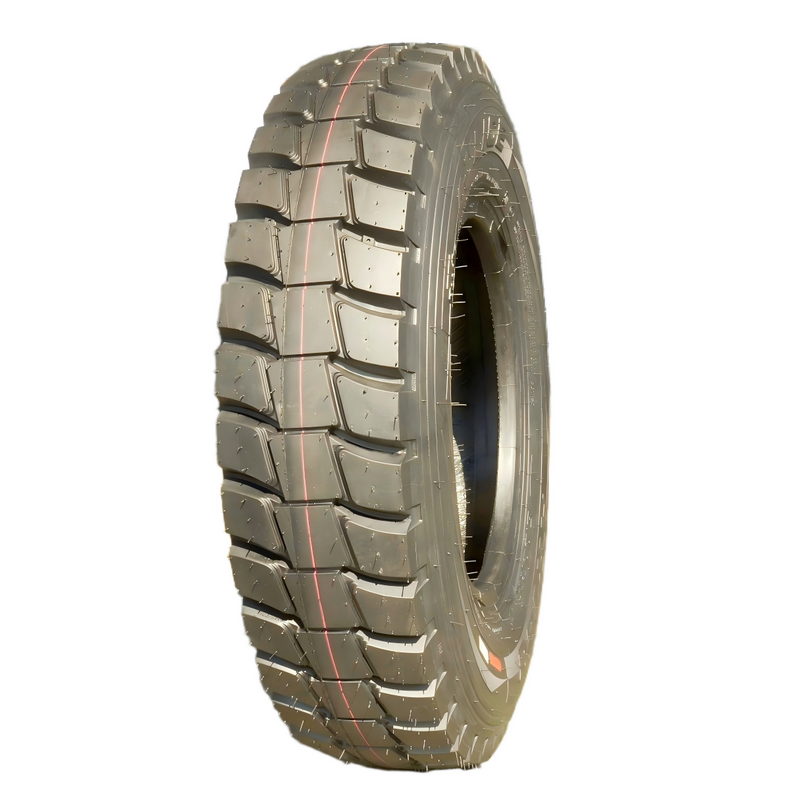
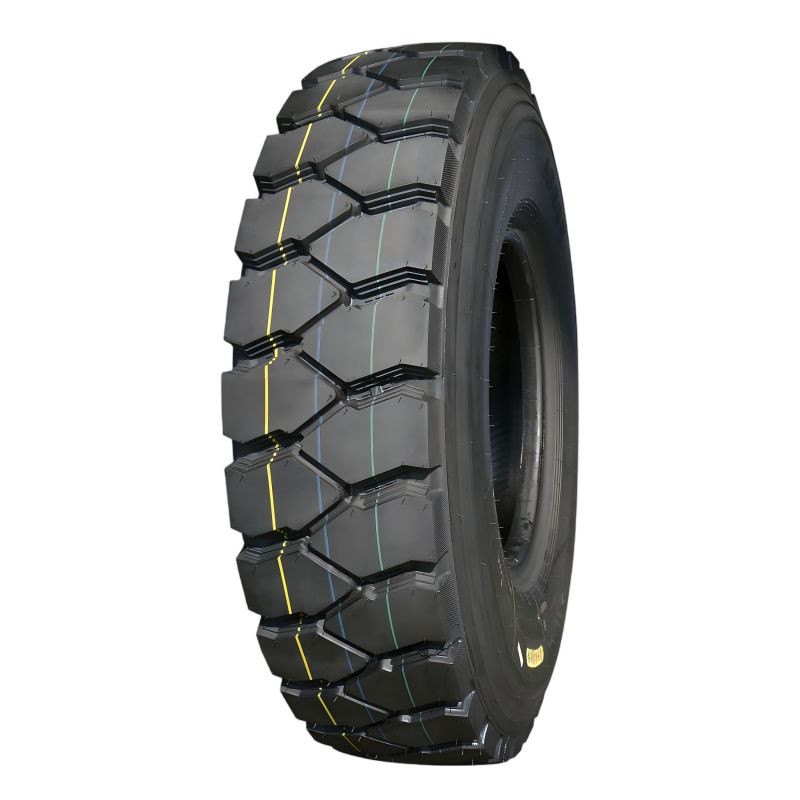
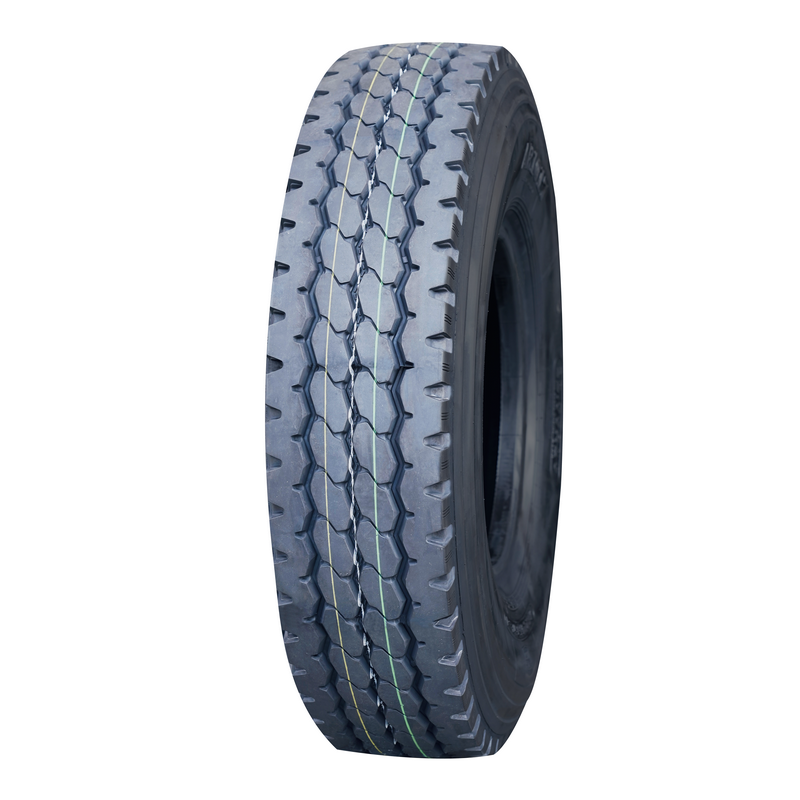
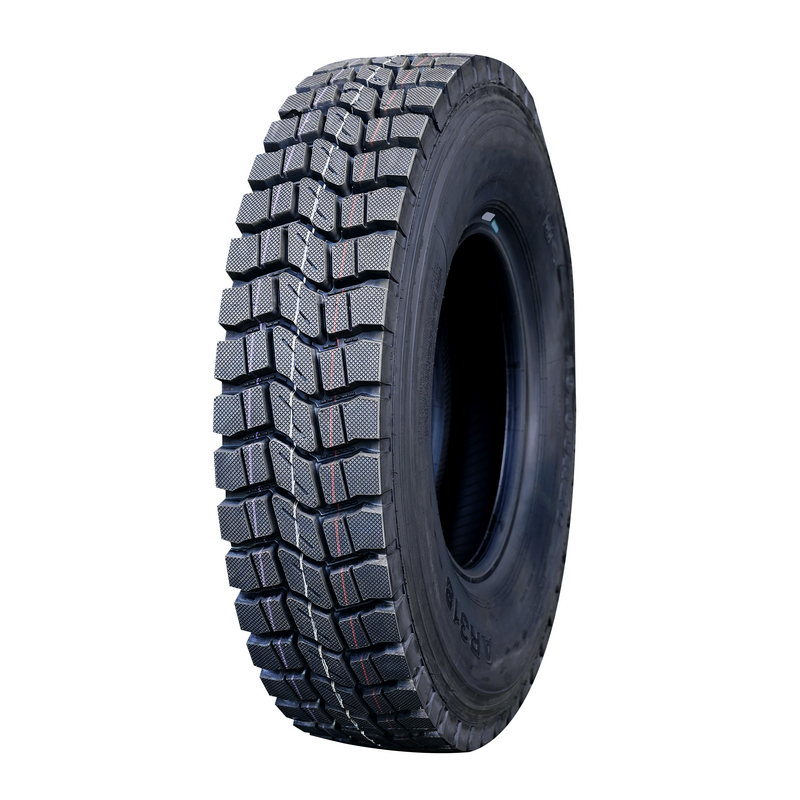
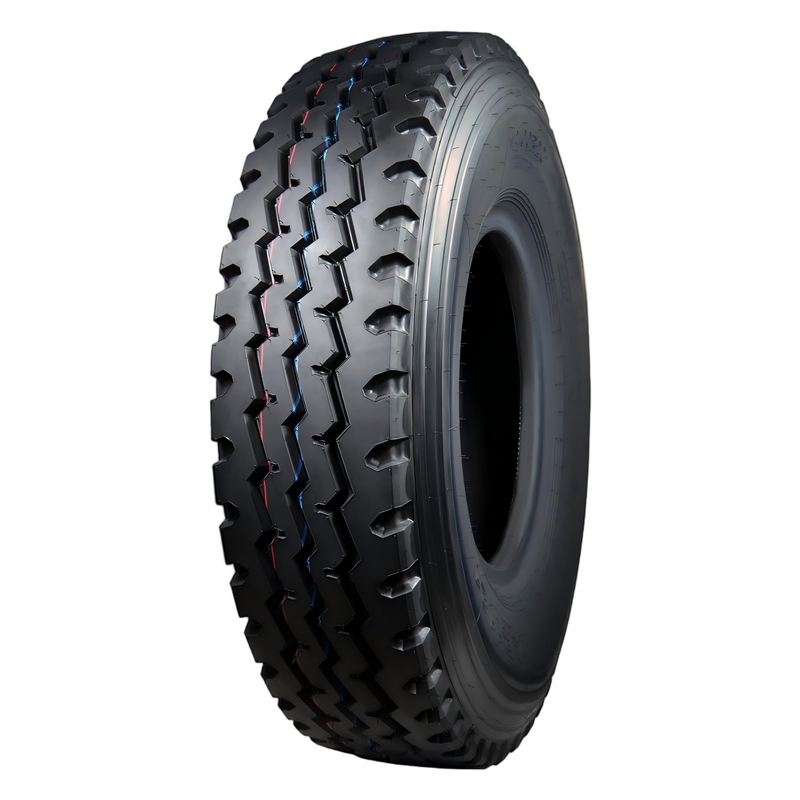
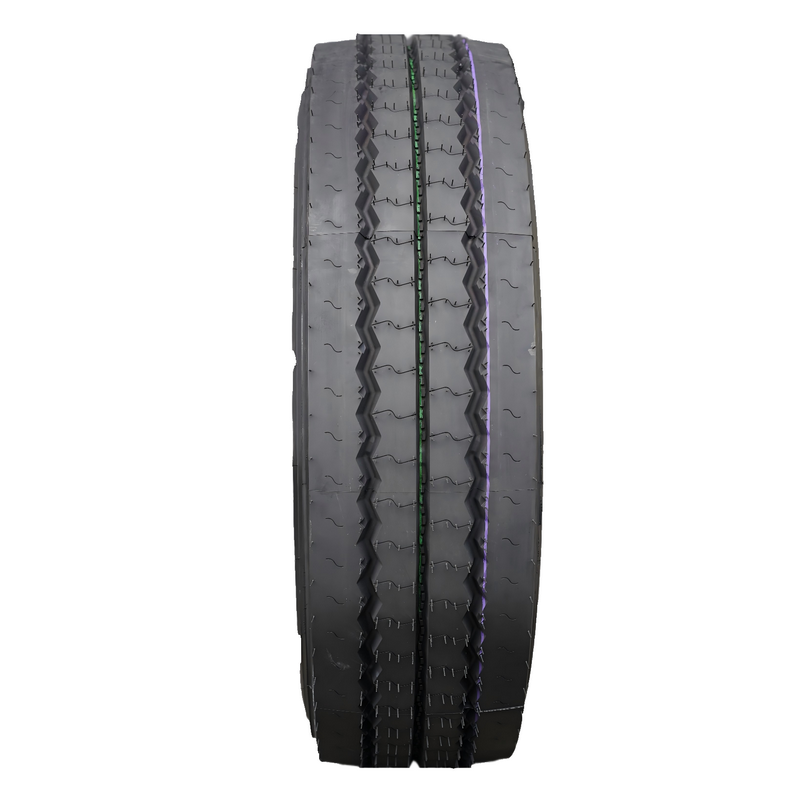
Overloaded tires work under extreme pressure carrying far more weight than standard tires so proper maintenance is key to extending their service life and ensuring safety. Neglecting maintenance can lead to premature wear blowouts or even accidents especially for vehicles used in long haul transportation construction sites or commercial deliveries. The good news is that simple daily maintenance and regular checks can significantly prolong the lifespan of overloaded tires. This article will share practical maintenance methods real world cases and professional tips to help you get the most out of your overloaded tires.
Maintain Proper Tire Pressure for Overloaded Use
Keeping correct tire pressure is the most basic and important maintenance step for overloaded tires. Underinflation causes the tire contact area to increase leading to uneven wear overheating and reduced load bearing capacity. Overinflation on the other hand makes the tire stiffer reducing grip and increasing the risk of damage from bumps. For overloaded tires check pressure at least once a week and always adjust it based on the actual load. A logistics company specializing in heavy cargo found that maintaining proper pressure for their overloaded tires extended their service life by 35% compared to tires with inconsistent pressure. Sailstone’s technical team recommends using a calibrated pressure gauge and checking pressure when tires are cool to get accurate readings. They also advise drivers to carry a portable air compressor for on the go adjustments especially during long trips.
Regularly Inspect Overloaded Tires for Damage and Wear
Frequent inspections are crucial to catch issues early and prevent further damage to overloaded tires. Before each trip check for cuts bulges cracks or embedded debris like nails or stones. Pay special attention to the sidewalls which bear most of the pressure in overloaded conditions. If you find any damage repair it promptly or replace the tire if necessary. Also monitor tread depth. Overloaded tires with worn tread have reduced traction and are more prone to skidding especially on wet or rough roads. A construction company’s mixer trucks used overloaded tires and their weekly inspection routine helped them detect a small bulge in one tire. Replacing it immediately avoided a potential blowout during a delivery. Sailstone suggests that overloaded tires used in harsh conditions like construction sites should be inspected twice a week to ensure safety and longevity.
Rotate Overloaded Tires to Ensure Even Wear
Uneven weight distribution in vehicles often causes overloaded tires to wear unevenly. Regular tire rotation helps distribute wear evenly across all tires extending their overall service life. The rotation frequency depends on usage but for overloaded vehicles it’s best to rotate tires every 5000 to 8000 km. For trucks or trailers follow the manufacturer’s recommended rotation pattern such as moving front tires to the rear and vice versa. A long haul fleet that rotated their overloaded tires regularly noticed that all tires wore at the same rate and their replacement cycle was extended by 6 months. Sailstone offers customized rotation guidance based on vehicle type and load conditions. Their experts explain that proper rotation not only extends life but also maintains consistent performance and grip for overloaded tires.
Avoid Overloading Beyond Tire Capacity and Optimize Loading
Even with proper maintenance overloading beyond the tire’s maximum capacity will drastically shorten its service life. Every overloaded tire has a specified load index and exceeding it puts excessive stress on the rubber and internal structure leading to premature failure. Always check the load index and distribute cargo evenly to avoid concentrated weight on specific tires. A mining company once ignored load limits and overloaded their trucks by 20% resulting in their overloaded tires lasting only half the expected lifespan. Optimizing loading also helps. Place heavier items closer to the center of the vehicle to balance weight distribution. Sailstone’s customization service can adjust tire parameters like tread depth and material composition for specific load needs but even customized overloaded tires should not be used beyond their rated capacity. Following load guidelines is a simple way to protect your tires and avoid unnecessary costs.
Proper Storage and After Sales Support for Overloaded Tires
When overloaded tires are not in use proper storage is essential to prevent degradation. Store tires in a cool dry and well ventilated area away from direct sunlight oil chemicals or sharp objects. Avoid stacking tires too high as this can damage the lower tires especially for heavy overloaded tire models. If tires are mounted on rims store them upright or hang them to maintain shape. A warehouse that stored their overloaded tires correctly found that unused tires retained their performance for over a year without cracking or hardening. Additionally leveraging after sales support from reliable manufacturers like Sailstone can help with maintenance. Sailstone provides comprehensive after sales services including technical guidance and warranty coverage. A transport company in Southeast Asia used Sailstone’s after sales service to resolve a tire wear issue. The manufacturer’s team analyzed the problem and recommended adjustments to loading and pressure which extended tire life by 25%. Regular communication with the manufacturer can also keep you updated on maintenance best practices for overloaded tires.
 Hot News
 EN
EN