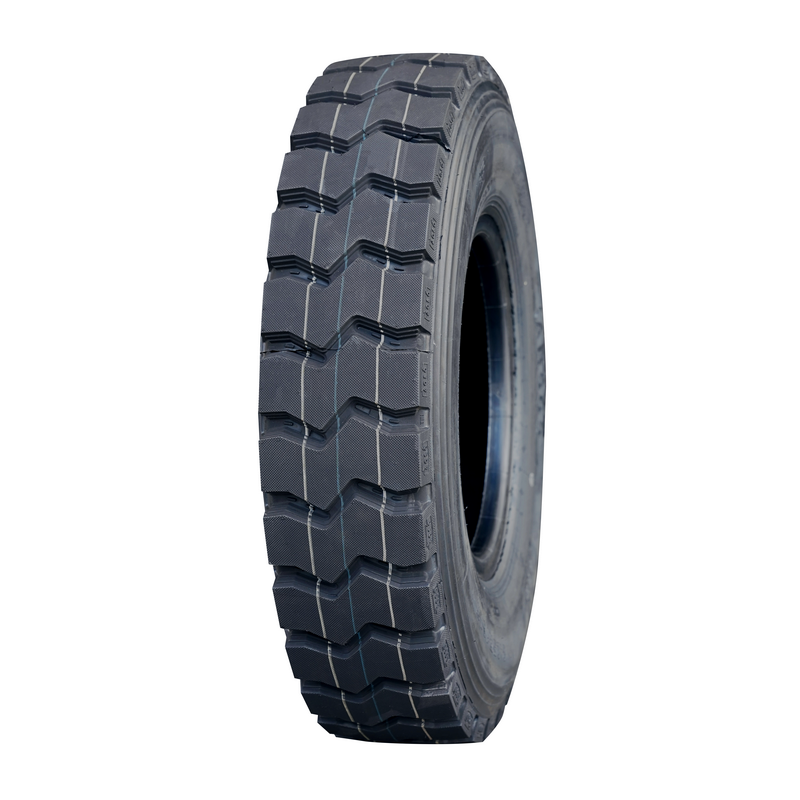
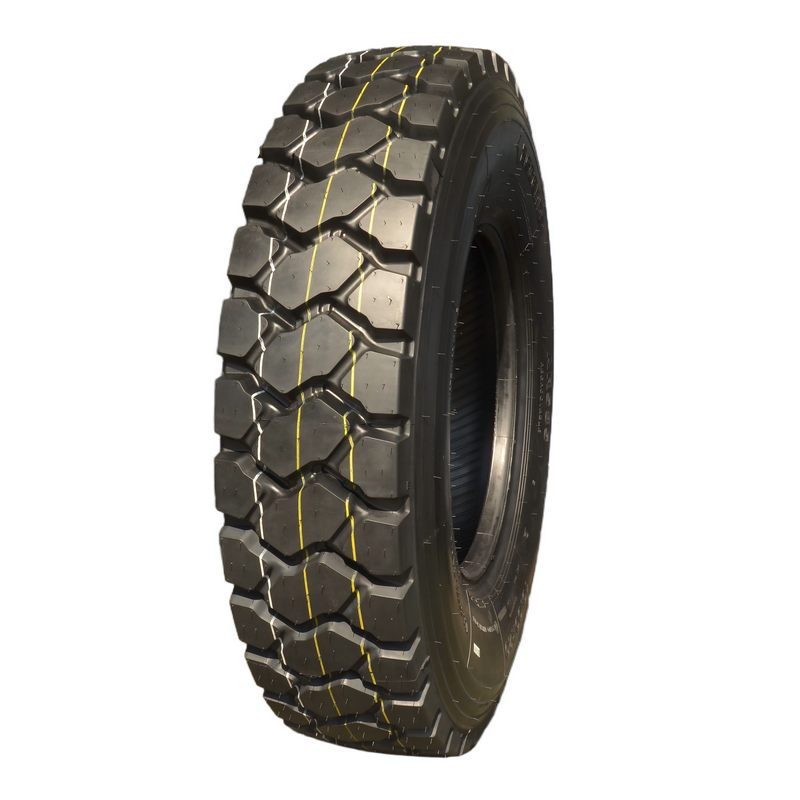
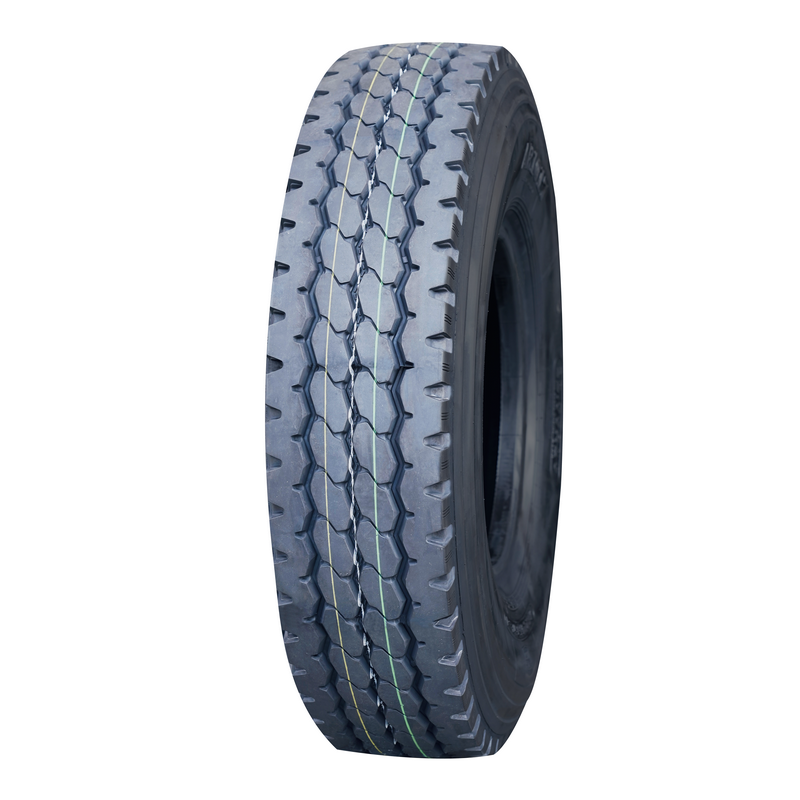
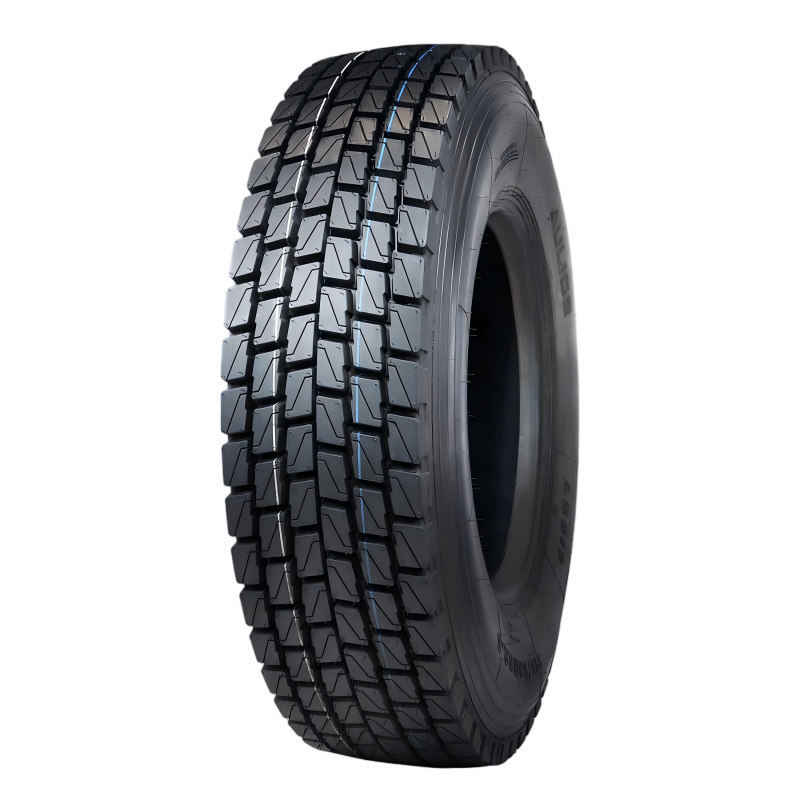
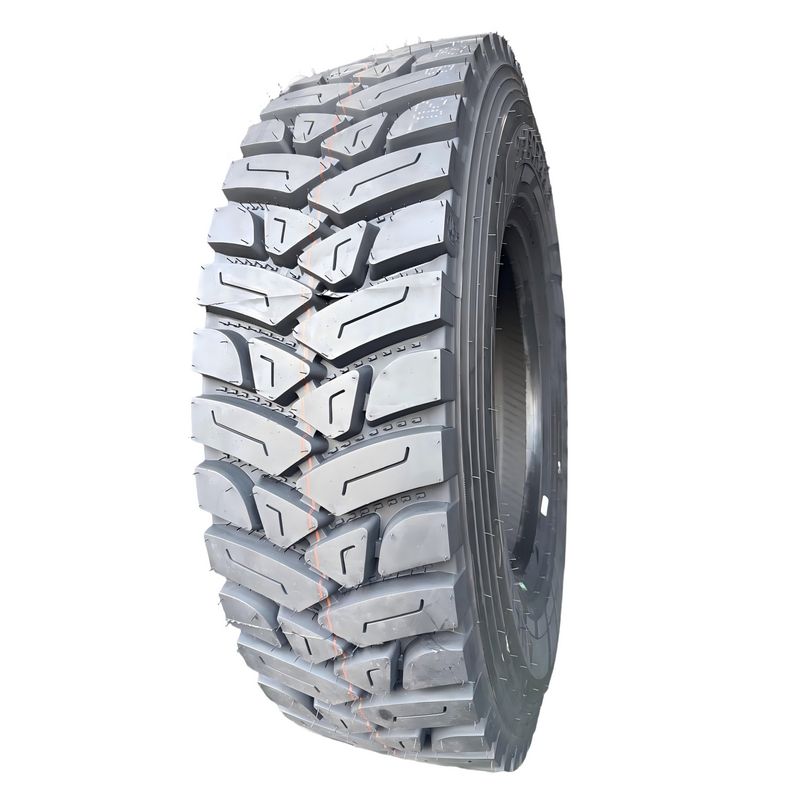
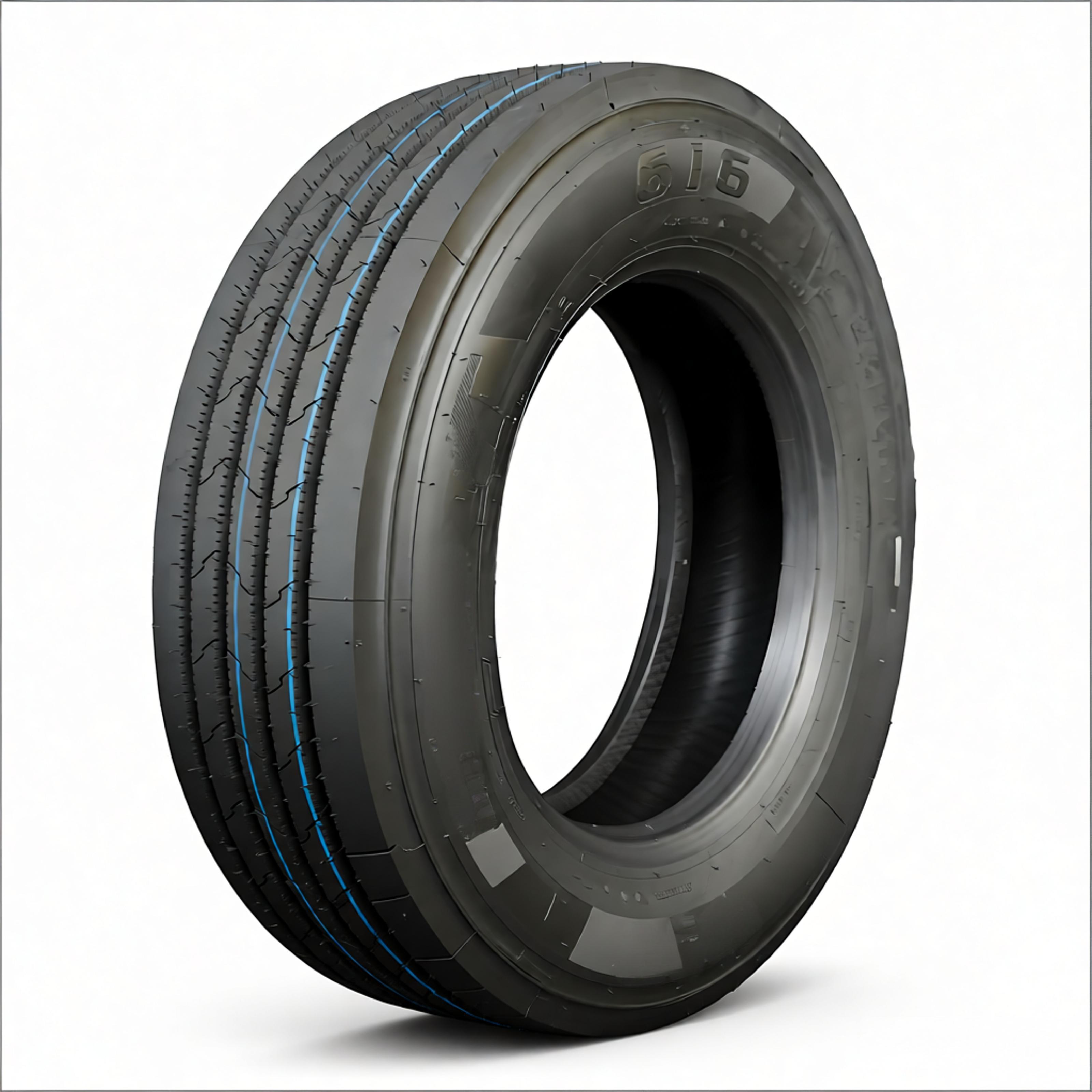
Stone tire treads are a common issue for drivers especially those who frequently travel on gravel roads construction sites or rural routes. Small stones gravel and debris can easily get stuck in tire tread grooves and over time this buildup affects a tire’s grip stability and durability. For all types of tires including those used for overloaded vehicles long haul transportation or daily commuting keeping stone tire treads clean is a simple yet effective way to maintain optimal performance. This article will explain why cleaning stone tire treads matters share step by step methods and real world examples to help you make this a regular part of your tire maintenance routine.
Why Cleaning Stone Tire Treads Is Essential for Performance
Leaving stones and debris in stone tire treads can lead to a range of problems that compromise performance and safety. First trapped stones reduce the tire’s contact with the road surface lowering grip especially on wet or slippery roads. This increases the risk of skidding or hydroplaning. Second sharp stones can puncture the tire or damage the tread rubber causing premature wear or even blowouts. A construction company’s mixer trucks often drove on gravel roads and their neglected stone tire treads led to three tire punctures in one month costing them time and money. Third debris buildup can disrupt the tire’s designed water dispersion channels increasing braking distance. Sailstone’s R&D team explains that their tires are engineered with specific tread patterns to enhance grip and water evacuation and stone buildup directly negates these design benefits. Regular cleaning ensures the tire performs as intended whether you’re hauling heavy loads or driving in daily traffic.
How to Safely Clean Stone Tire Treads
Cleaning stone tire treads is straightforward and requires minimal tools. First park the vehicle on a flat safe surface and ensure the tires are cool to the touch. Never work on hot tires as this can increase the risk of burns or tire damage. Second gather basic tools like a small hook screwdriver or tire pick. Avoid sharp tools that could scratch the tire rubber. Third carefully remove stones and debris from the tread grooves. Work slowly and gently to avoid pushing debris deeper or damaging the tread. Focus on larger stones first as they cause the most damage. A long haul driver shared that he spends 5 minutes per tire cleaning stone tire treads after each trip and has seen a 25% reduction in tire wear. Sailstone recommends checking for hidden debris in deep tread grooves especially for tires with aggressive tread patterns designed for off road use. For stubborn debris use a pair of pliers with rubber coated jaws to pull them out without damaging the tire.
When to Clean Stone Tire Treads for Maximum Effect
Timing is key when it comes to cleaning stone tire treads. The best practice is to clean them after every trip especially if you’ve driven on gravel dirt roads or construction sites. For daily commuters who mostly drive on paved roads a weekly check and clean is sufficient. After heavy rain or snow is another important time to clean stone tire treads as moisture can cause debris to stick more tightly. A delivery fleet that cleans their stone tire treads every Friday noticed a significant improvement in fuel efficiency and tread life. Sailstone’s technical team advises cleaning stone tire treads before long trips to ensure optimal performance during the journey. They also recommend checking treads after passing through road construction zones where loose stones are abundant. Proactive cleaning prevents debris from embedding deeper into the tread which becomes harder to remove over time.
The Impact of Clean Stone Tire Treads on Tire Longevity
Regularly cleaning stone tire treads directly extends tire service life. Trapped stones act like abrasives wearing down the tread rubber faster and creating uneven wear patterns. A study by a tire industry association found that tires with clean treads last 15 to 20% longer than those with persistent debris buildup. Sailstone’s customers have reported similar results. A mining company that implemented a daily stone tire tread cleaning routine saw their tires last 18 months longer than before. Clean treads also help maintain the tire’s structural integrity. When stones are left in grooves they can create small cracks in the rubber which expand over time leading to premature tire failure. By keeping stone tire treads clean you reduce the risk of such damage and get the most out of your investment. This is especially important for overloaded tires which already work under extreme pressure.
Tips for Preventing Stone Buildup in Tire Treads
In addition to regular cleaning there are steps you can take to minimize stone buildup in stone tire treads. First choose tires with tread patterns designed to resist debris trapping. Sailstone offers tires with self cleaning tread designs that use angled grooves to expel stones and gravel as the tire rotates. A construction company switched to these tires and noticed a 40% reduction in stone buildup. Second avoid driving on gravel or debris covered roads whenever possible. If you must drive on such roads reduce speed to minimize the chance of stones getting stuck. Third maintain proper tire pressure. Underinflated tires have more flexible tread which makes it easier for stones to become embedded. A trucking company found that keeping their tires properly inflated reduced stone buildup by 30%. Finally inspect your tires regularly as part of your maintenance routine. Catching and removing debris early prevents it from becoming trapped deep in the tread grooves.
 Hot News
 EN
EN