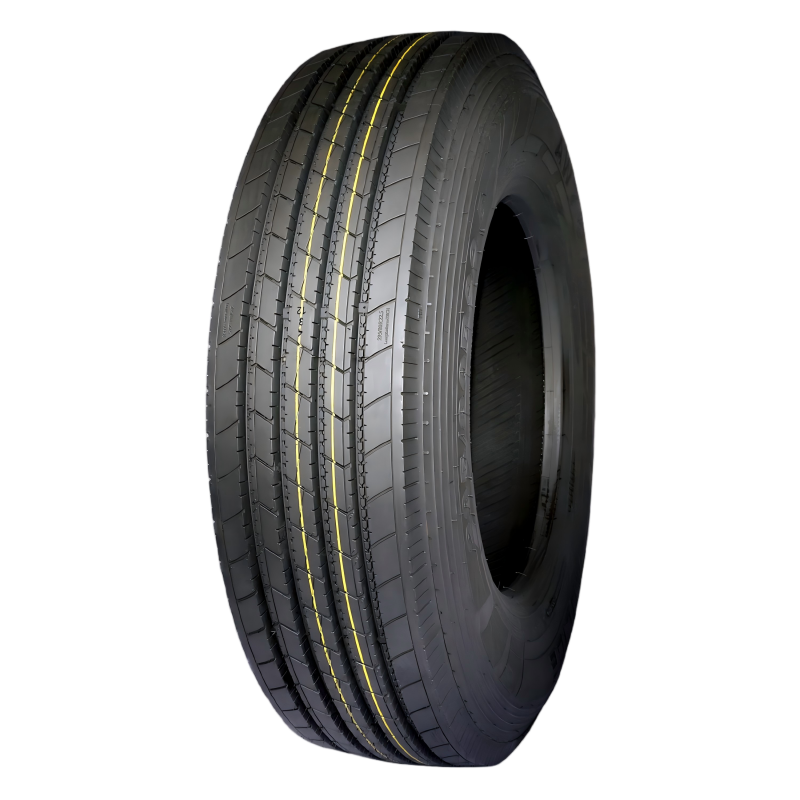
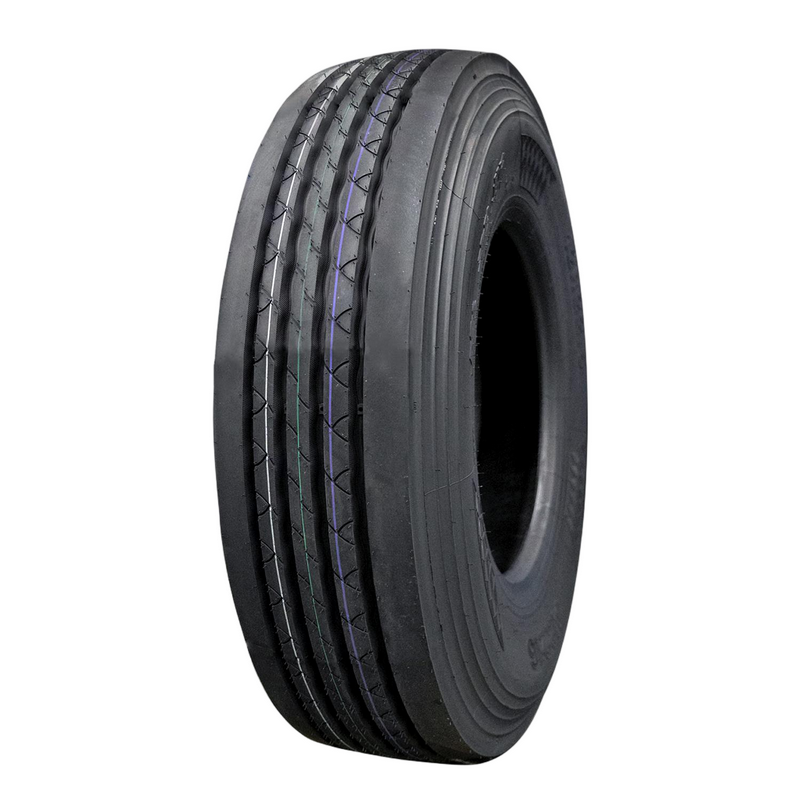
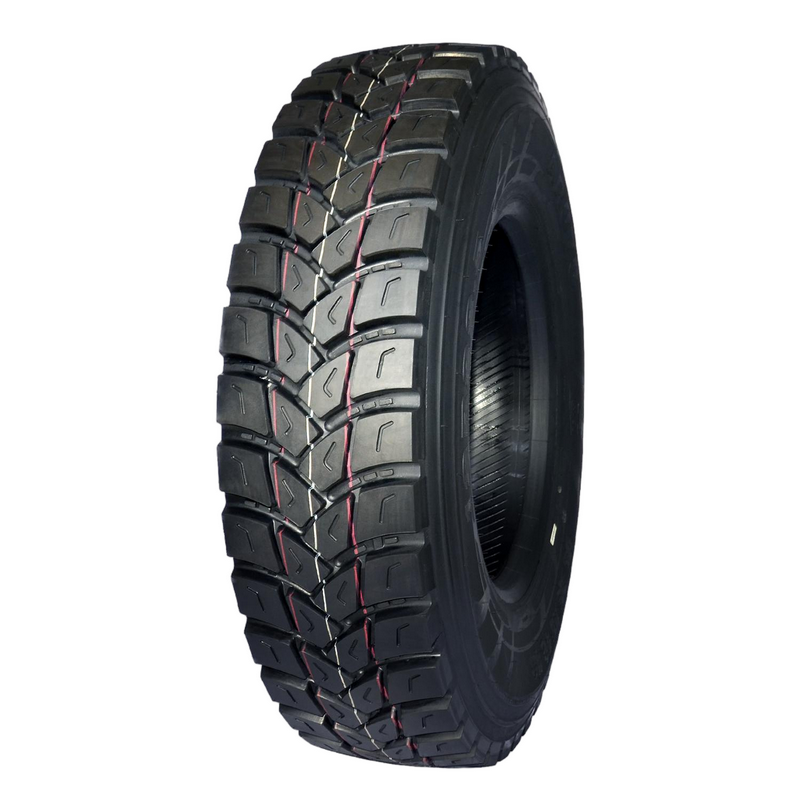
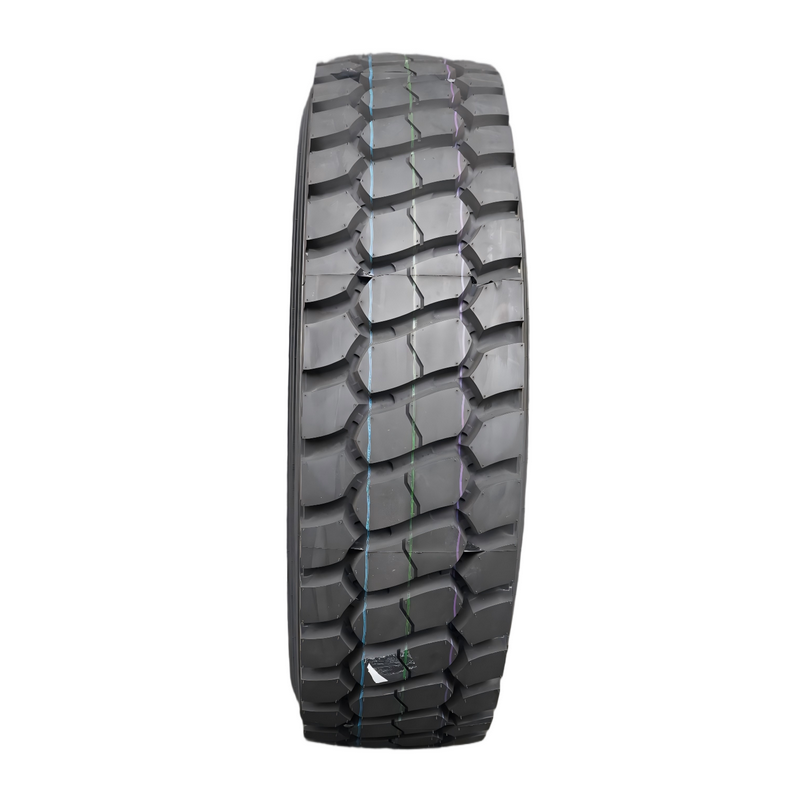
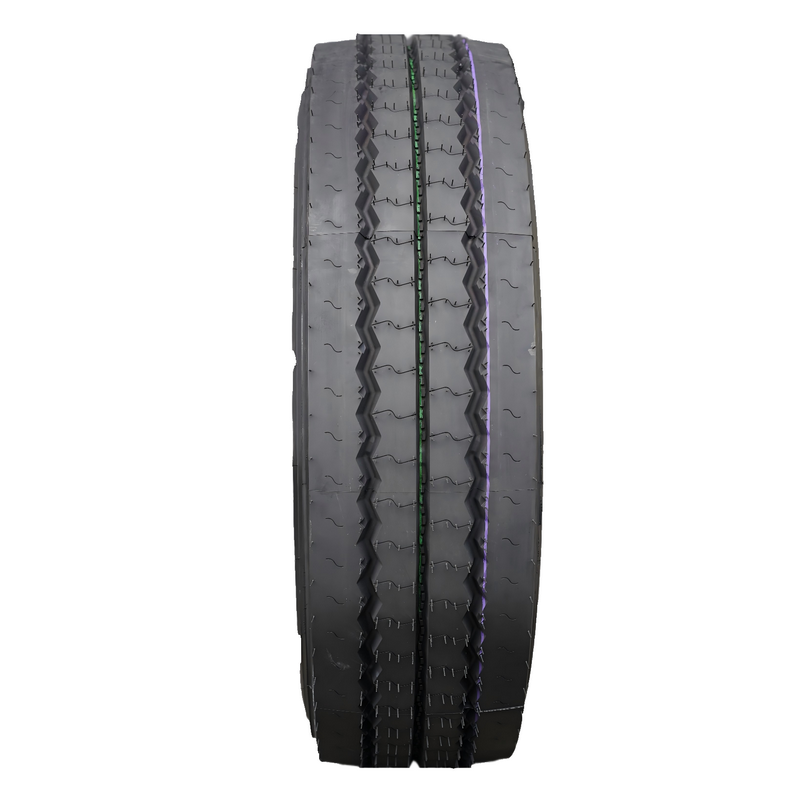
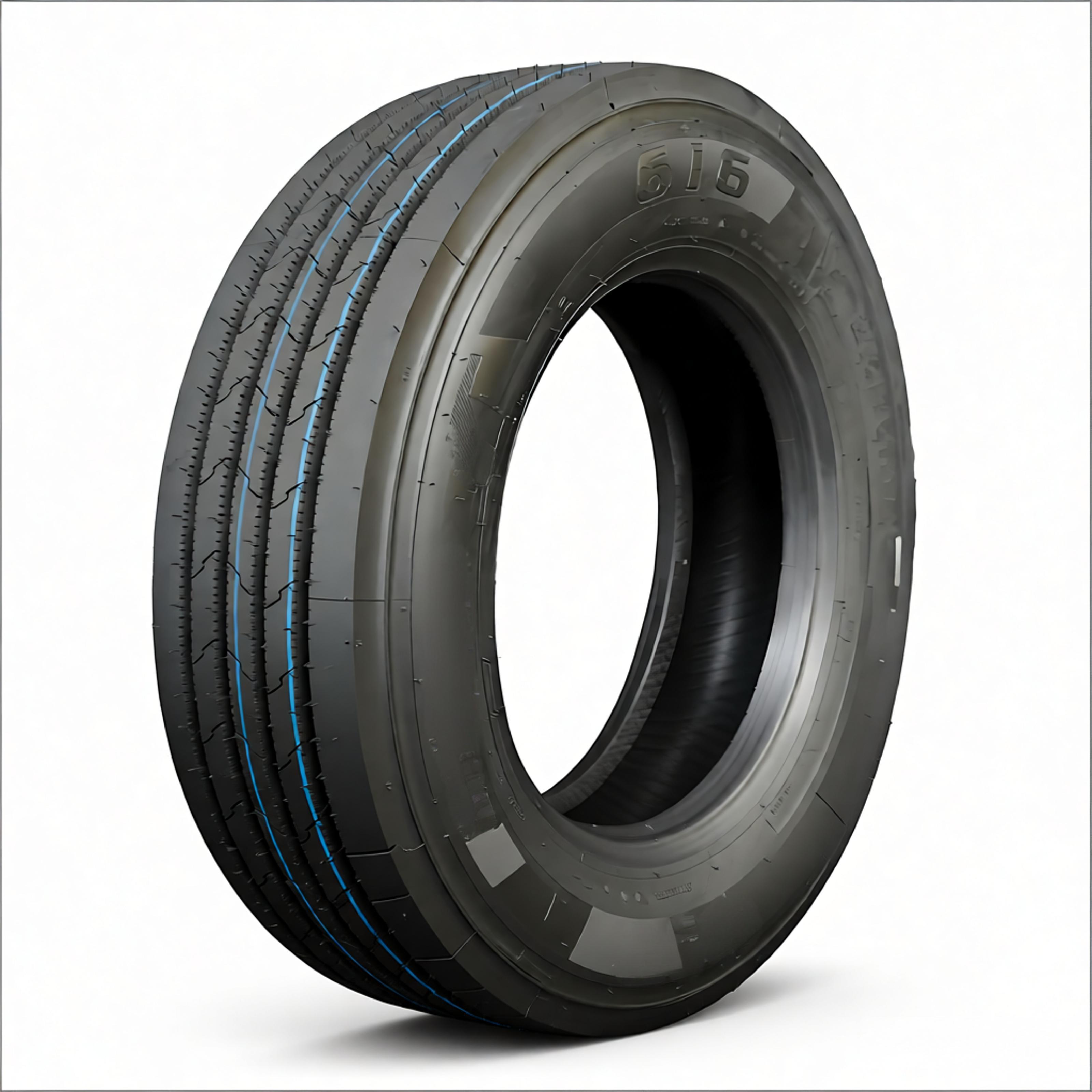
Getting a brand new tire is exciting but proper break in is crucial to ensure long term performance and safety. A brand new tire comes with a fresh tread pattern and unused rubber which needs time to adapt to road conditions. Rushing to drive at high speeds or carry heavy loads right away can damage the tire reduce its lifespan or even cause safety hazards. Whether you’re fitting a brand new tire on a passenger car truck or commercial vehicle following the right break in steps will help it perform at its best. This article shares practical methods real world examples and expert tips to safely break in a brand new tire.
Understand the Importance of Breaking in a Brand New Tire
Breaking in a brand new tire isn’t just a formality it’s a necessary process to optimize performance. The surface of a brand new tire is smooth and lacks the micro friction needed for maximum grip. During break in the rubber wears slightly to create a textured surface that improves traction. Additionally the tire’s internal components like belts and adhesives need time to settle under normal driving conditions. A logistics company once skipped breaking in their brand new truck tires and noticed uneven wear within 5000 km leading to early replacement. Sailstone’s technical team explains that their brand new tires are engineered with high quality materials but proper break in still plays a key role in unlocking their full durability and grip potential. Skipping this stage can result in reduced fuel efficiency poor handling and shorter tire life.
Key Steps to Safely Break in a Brand New Tire
The break in process for a brand new tire is simple and takes about 500 to 1000 km of driving. First keep speeds moderate. Avoid driving over 80 km/h during the first 500 km as high speeds generate excessive heat which can damage the new rubber. A family that bought a brand new tire for their car followed this rule and found the tire’s grip improved noticeably after the break in period. Second avoid heavy loads and aggressive driving. Don’t carry full loads accelerate sharply brake suddenly or take sharp turns at high speeds. These actions put too much stress on the brand new tire before it’s fully adapted. A construction company broke in their brand new mixer truck tires by hauling lighter loads for the first 800 km and saw no premature wear issues. Third maintain proper tire pressure. Check pressure regularly during break in as a brand new tire may lose pressure slightly as it settles. Sailstone recommends checking pressure every 100 km in the initial stage to ensure it stays within the recommended range.
Adjust Driving Habits During Brand New Tire Break In
Your driving habits have a big impact on how well a brand new tire breaks in. Stick to smooth consistent acceleration and braking to avoid putting sudden stress on the tire. Drive on paved roads as much as possible during break in rough terrain can cause uneven wear on the fresh tread. A long haul driver broke in his brand new tires by sticking to highways for the first 1000 km and reported that the tires wore evenly and maintained good grip afterward. Avoid driving in extreme weather conditions like heavy rain or snow until the tire is broken in. The smooth surface of a brand new tire has less traction in wet conditions increasing the risk of skidding. Sailstone’s experts advise waiting until the break in is complete before driving in challenging weather. If you must drive in such conditions reduce speed and increase following distance to stay safe.
Monitor Performance and Condition During Break In
Regular checks during the break in period help ensure your brand new tire is adapting well. After every 200 km inspect the tire for signs of uneven wear bulges or damage. Check the tread depth to ensure it’s wearing uniformly. A delivery driver noticed slight uneven wear on his brand new tire during break in and adjusted the wheel alignment which fixed the issue. Monitor tire temperature after driving if the tire feels excessively hot to the touch it may be a sign of overloading or improper pressure. Sailstone provides comprehensive after sales support and their technical team can help diagnose any issues during break in. Keeping a log of your driving distance and tire condition can also help track the break in progress and identify potential problems early. Once you’ve driven 500 to 1000 km you can gradually return to normal driving habits as the brand new tire will have adapted to road conditions.
Common Mistakes to Avoid When Breaking in a Brand New Tire
Avoiding certain mistakes during break in is just as important as following the right steps. Don’t ignore tire pressure a brand new tire needs proper inflation to wear evenly. Underinflation or overinflation can cause irregular wear and reduce performance. A trucking company made this mistake with their brand new tires and had to replace them 30% earlier than expected. Don’t rush the process driving at high speeds or carrying heavy loads too soon can damage the tire’s internal structure. Another common mistake is neglecting wheel alignment. Misaligned wheels can cause uneven wear on a brand new tire even during break in. Sailstone recommends checking wheel alignment before installing a brand new tire to ensure optimal performance. Finally don’t use a brand new tire for off road or extreme driving until it’s fully broken in. The fresh rubber isn’t ready for the stress of rough terrain and may suffer damage.
 Hot News
 EN
EN